
Bone Grafting For Dental Implants: What It Is And When You Need It
When a patient learns they need a bone graft before receiving a dental implant, the news can feel unexpected. Many people assume an implant is a straightforward next step after losing a tooth. In reality, the jawbone beneath that missing tooth may have already begun to change, and those changes matter. Bone grafting prepares the foundation so an implant has the structural support it needs to stay secure for years.
We want to walk you through what this process involves, why it is sometimes necessary, and what you can expect from start to finish.
What Bone Grafting Means In Dental Implant Planning
The term sounds intimidating, honestly. Most patients picture something much more complicated than it usually is.
Bone grafting is a surgical procedure performed in oral and maxillofacial surgery to restore or improve areas of the jaw that have lost bone volume or density. The procedure involves placing graft material into the deficient area, which may be from the patient, a donor, or a synthetic source. Over time, the body incorporates this material and forms new, stable bone.
An implant bone graft may be recommended after a tooth has been missing for a long time, after an extraction, or when infection has affected the surrounding bone. Some patients need very little grafting. Others need more, depending on how much bone has changed over the years.
Why Jaw Bone Loss Can Happen After Tooth Loss
Jawbone loss is more common than many patients realize, and it typically begins shortly after a tooth is removed. A tooth root does more than hold a tooth in place. Every time you chew, the root transmits pressure into the surrounding bone, signaling the body to maintain its density. When that root is gone, the signal stops, and the bone gradually resorbs.
Beyond tooth loss, jawbone loss can also result from gum disease, facial injuries, or prolonged denture use. Dentures sit on the gum surface and do not replicate the stimulation a root provides, so bone can continue to diminish beneath them over time.
This deterioration directly affects implant candidacy. An implant needs a certain volume and density of bone to integrate successfully. When that bone is insufficient, grafting becomes a necessary first step.
When An Implant Bone Graft May Be Recommended
Not every patient needs grafting before implants. Some people still have enough healthy bone naturally. Others may not have enough width or height left in the area for stable implant placement. That becomes more common when a tooth has been missing for years.
Bone grafting may also be recommended after extraction if preserving the area matters for future treatment planning. In some situations, the shape of the jaw changes enough over time that additional support is needed before implants can be safely placed.
At Premier Oral, surgical expertise meets patient-centered care. We evaluate every case separately and avoid providing a one-size-fits-all solution to our patients. The decision is based on precise 3D imaging, oral health, healing patterns, and the condition of the remaining bone.
Ridge Preservation And Socket Preservation: How They Help Protect The Foundation
Patients often hear these about these two procedures after tooth extractions. Ridge preservation and socket preservation are dental procedures performed after tooth removal to help protect the jawbone, maintain the shape of the gums, and create a stronger foundation for future treatments such as dental implants.
Socket preservation focuses on the empty tooth socket itself. After the tooth is removed, grafting material may be placed there to help maintain bone during healing. Ridge preservation is a little broader. The goal is to help preserve the shape and width of the jaw ridge after extraction.
The wording sounds technical, but both procedures are really about protecting bone early when future implant treatment may be planned.
What Happens During The Bone Grafting Process
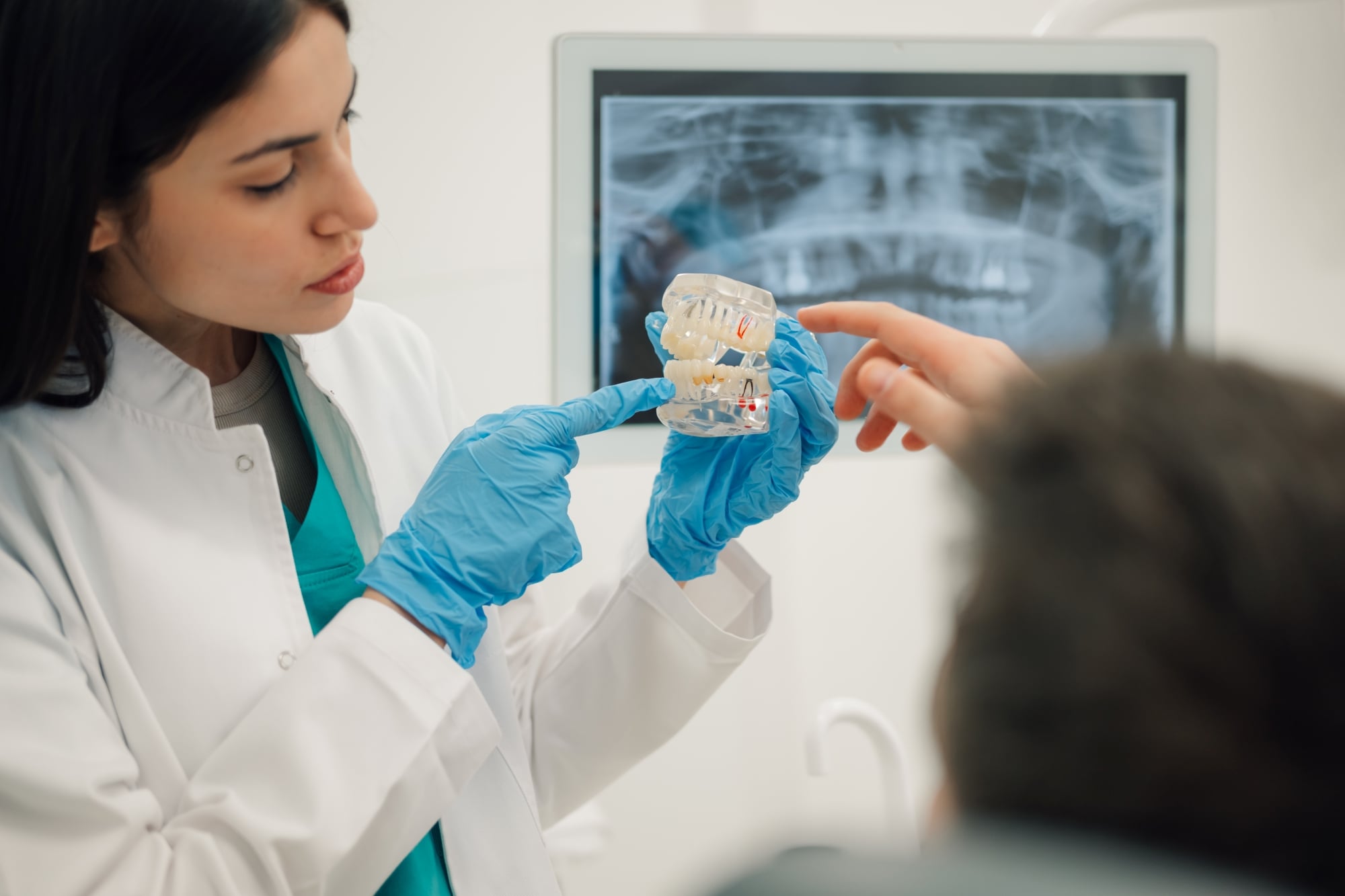
At Premier Oral and Maxillofacial Surgery Group, our expert team reviews the patient’s medical history, treatment goals, and comfort concerns before proceeding.
During bone grafting, the area is numbed carefully. The graft material is placed where support is needed, and the site is protected while healing begins. Some grafts happen during extraction appointments, especially when socket preservation is involved. At other times, grafting is performed separately before implant placement.
Most patients end up saying the procedure felt easier than they expected, and we ensure it remains that way.
Bone Graft Recovery: What to Expect

Bone graft recovery follows two overlapping timelines. Soft tissue heals relatively quickly in the first one to two weeks. Bone integration typically takes three to six months, depending on the graft type, the patient’s overall health, and the size of the grafted area.
You can expect some mild swelling and discomfort for a few days after the procedure. Eating soft foods and avoiding pressure on the area will help ensure smooth healing. We provide detailed post-operative instructions and schedule follow-up appointments to closely monitor your progress.
Once imaging confirms adequate bone integration, we move forward with implant placement. That timing varies by patient, and we never rush this phase. Solid integration is what makes everything that follows reliable.
FAQs
Do all dental implant patients need bone grafting?
No. Some patients already have enough healthy bone for implants without additional treatment.
Is an implant bone graft separate from?
No. Sometimes, grafting is done during the extraction appointment itself.
Can jawbone loss prevent me from getting dental implants?
Not always. Jaw bone loss may make treatment more complex, but grafting may help rebuild support.
Find Out If Bone Grafting Is For You At Premier Oral
Hearing you may need bone grafting before implants can feel discouraging at first. For many patients, though, it is simply part of properly preparing the jaw before treatment proceeds, and we ensure that the entire process remains seamless from start to finish.
Book a consultation with Premier Oral Maxillofacial Surgery Group to learn whether bone grafting is right for you.
Comments are closed.