
Teeth Removal In Bergen County: What To Look For When Choosing An Oral Surgeon
Deciding to move forward with teeth removal is a meaningful step in protecting your oral health. Whether your dentist recommended it or you’ve been managing discomfort for some time, the procedure itself is only part of the picture. Who performs it, where, and how they support you through every stage shapes your experience and outcome.
At Premier Oral and Maxillofacial Surgery Group, we believe you deserve complete clarity before making that choice. This guide walks you through what to evaluate when selecting an oral surgeon in Bergen County.
What Teeth Removal Actually Involves
Teeth are removed for several reasons. Impacted or misaligned wisdom teeth, decay too severe to restore, crowding that affects alignment, and active infections threatening surrounding tissue are among the most common cases we see.
A simple extraction applies to teeth that are fully visible and can be removed without surgical intervention. A surgical extraction is more involved. It requires incisions in the gum tissue, sometimes the removal of surrounding bone, and a higher degree of technical precision. Our wisdom teeth removal and tooth extraction services cover both, and we tailor each approach to your specific case. Oral surgeons complete years of advanced training beyond dental school to manage these more demanding scenarios safely.
Board Certification and Surgical Training: Why It Matters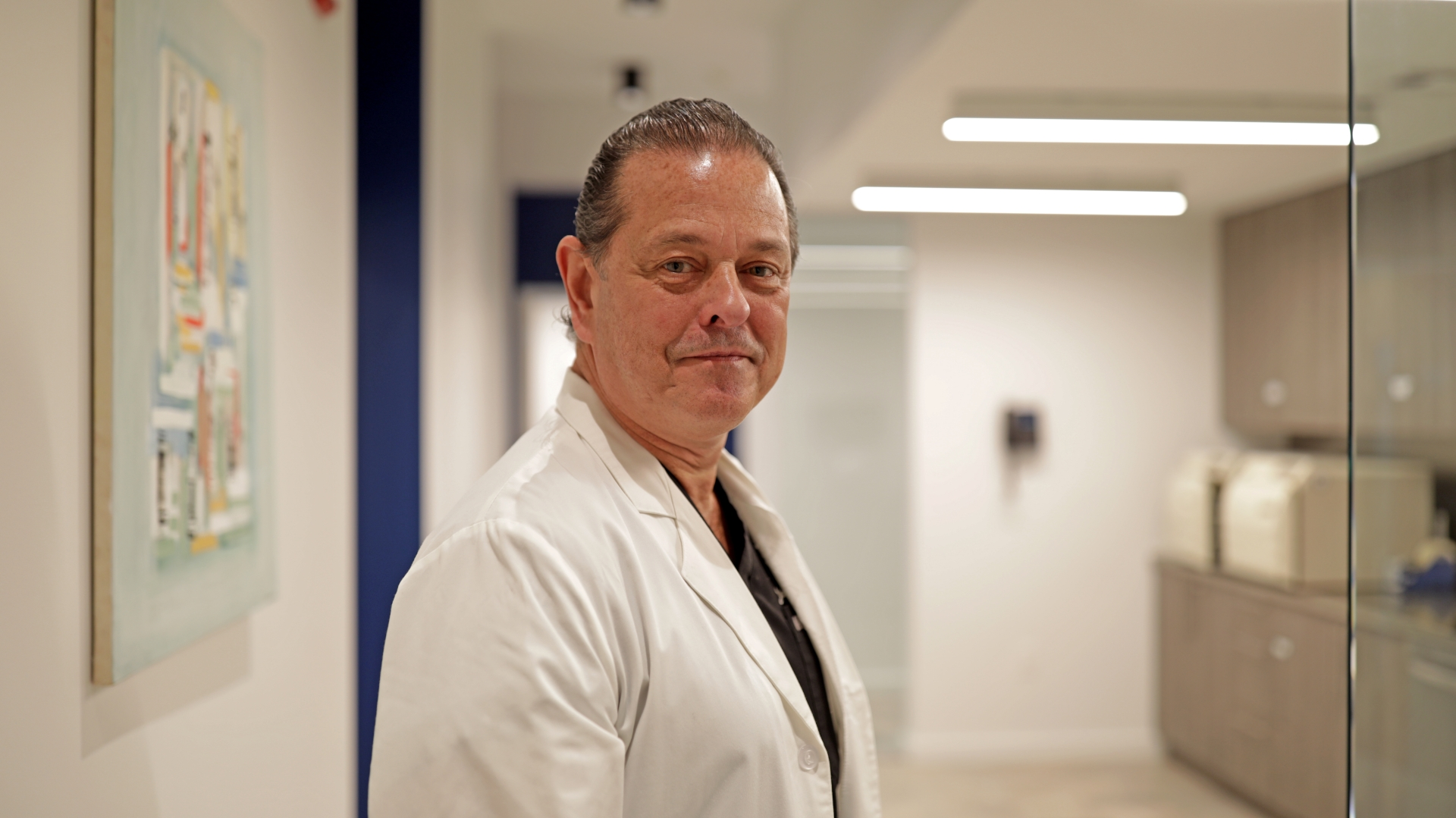
Board certification through the American Association of Oral and Maxillofacial Surgeons signals that a surgeon has met rigorous standards in clinical performance and professional conduct. It is not automatic. It requires completing an accredited residency program, typically four to six years following dental school, along with a demanding examination process.
Our surgeons hold dual degrees in both dentistry and medicine, which brings an added layer of clinical understanding to every case. This background matters most when a case presents complications, when anatomy is unusual, or when a patient’s medical history introduces variables that need careful management. Board certification is the clearest signal that the surgeon treating you has been held to a defined, verifiable standard.
Experience With Complex Cases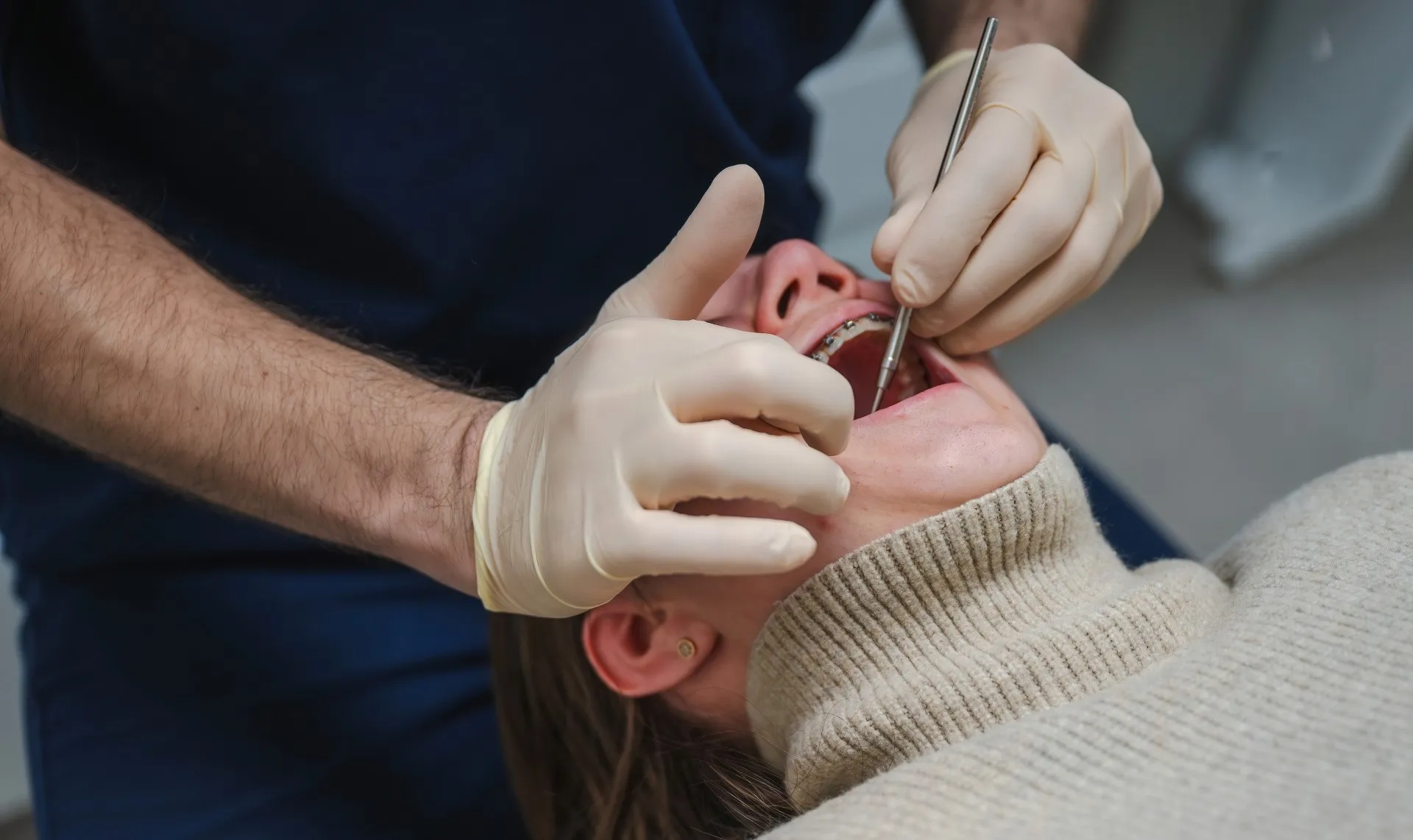
Not every extraction is straightforward. Impacted wisdom teeth positioned at sharp angles, teeth with curved or fused roots, and extractions near critical nerve structures all require a surgeon who has managed comparable cases many times. Case volume and specialization directly affect surgical outcomes.
During your consultation, ask directly about the surgeon’s experience with your type of case. Ask how often they perform similar extractions and what their approach is when complications arise. A confident, experienced surgeon answers those questions clearly. At Premier, our team brings extensive experience across the full range of extraction cases, and we welcome those conversations because they help you feel grounded before moving forward.
Sedation and Anesthesia Options Available to You
Comfort during your procedure is essential. The right sedation approach depends on the complexity of your extraction and your individual comfort level. Options range from local anesthesia, which numbs the treatment area while you remain fully conscious, to IV sedation, which produces a deeply relaxed state, to general anesthesia for more extensive cases.
What matters is not just availability but who administers it. Sedation delivered by a trained oral and maxillofacial surgeon in an accredited surgical suite carries a meaningfully different safety profile from that in a general dental setting. Our anesthesia and sedation services are administered by our surgical team, and we walk every patient through their options before the procedure begins. You will know exactly what to expect and why.
What the Surgical Facility Should Look Like
The environment where your surgery takes place carries real clinical weight. Accredited surgical suites with modern monitoring systems, sterile protocols, and emergency response capabilities offer a standard of care that a general dental office typically cannot match.
Advanced imaging is part of that equation. Cone beam CT scans give our team a precise, three-dimensional view of your tooth, roots, and surrounding anatomy before we operate. Digital X-rays provide real-time clarity with minimal radiation exposure. That level of pre-surgical information reduces uncertainty and supports more accurate procedures. Hospital privileges, which our surgeons hold, are another meaningful marker. They reflect a level of credentialing that extends well beyond private practice requirements.
How to Evaluate Patient Communication and Comfort
A thorough pre-operative consultation covers more than the surgical plan. You should leave with an understanding of what the procedure involves, what recovery looks like, and what your role is in your own healing. If a practice rushes through that conversation or discourages questions, take note.
Our team takes time with every consultation. We explain what we see in your imaging, walk through the recommended approach, and make space for your questions. Every person who comes to us brings their own concerns, and we treat those with the same care we bring to the procedure itself. How a team communicates before your procedure tells you a great deal about how they will treat you throughout.
Recovery Support and Post-Operative Care
Recovery from teeth removal follows a predictable path when the right support is in place. In the first 24 to 48 hours, rest, controlled bleeding, and careful dietary choices are the priority. Swelling reduces over the following days, soft tissue begins to close, and bone-level healing continues for weeks beneath the surface.
A solid post-operative care plan includes written aftercare instructions, guidance on managing discomfort, dietary recommendations, and clear direction on when to contact us. Access to follow-up support matters, particularly for complications like dry socket, which develops when the clot protecting the extraction site is disrupted. We remain available to our patients after every procedure because attentive aftercare is part of the care we provide, not an afterthought.
FAQs
Why does early detection matter for oral disease?
Early detection may give the care team more options for monitoring, biopsy, treatment, or follow-up before a condition becomes more involved.
What symptoms should I have checked?
A sore that does not heal, a lump, swelling, a red or white patch, unexplained bleeding, numbness, jaw pain, or trouble chewing or swallowing should be evaluated if it persists or changes.
When should I see a mouth lesion specialist?
When a dentist or physician wants a suspicious, persistent, or unexplained oral change examined more closely, a referral to a specialist may follow.
Early Interventions Can Lead To Better Planning
Training, facility standards, communication, and post-operative support are the factors that define a trustworthy oral surgeon. Evaluating each one is a reasonable investment in a procedure that will affect your oral health for years to come.
At Premier Oral and Maxillofacial Surgery Group, we bring board-certified expertise, advanced surgical facilities, and genuine patient-centered care to every teeth removal case we handle in Bergen County.
Schedule a consultation with us to learn more about our teeth removal in Bergen County and take the next step with confidence.
Comments are closed.