
Dental Implant Recovery Timeline: What Healing Looks Like Week by Week
In most cases, dental implant recovery follows a predictable and structured process. Patients often come with questions and some uncertainty about what healing will feel like and how long it will take.
Implant healing is rarely dramatic. It is quiet, gradual, and happens in stages. Concerns about discomfort, swelling, and recovery time are common. Healing takes time, and that is completely normal.
When patients understand how recovery progresses, they feel more prepared and confident. It also reduces anxiety, which supports smoother healing.
In this blog, we explain what typically happens immediately after implant surgery, during healing and bone integration, as well as long-term recovery. We also explain how the body typically responds after implant surgery and outline what each stage of healing usually looks like.
What Happens Immediately After Dental Implant Surgery (First 24–48 Hours)
The first 24–48 hours post-dental implant surgery focus on adjustment. Understanding how dental implants work can help patients feel more prepared during this stage. The surgical area may feel tender. Swelling is common, and mild bleeding may occur. This response is usually part of normal healing and indicates that the body has started the repair process.
Consistent care during this phase supports healing. Ice packs help reduce swelling. Prescribed medication manages discomfort. Rest allows the body to focus on healing.
This is not the time to stress the surgical area. Avoid touching that area. Do not apply pressure. Protect the implant while the body stabilizes.
Week 1: Early Healing and Tissue Stabilisation
The healing process after dental implant surgery requires proper care. By the end of the first week, most patients notice improvement. Swelling reduces, and sharp pain fades into mild soreness. Overall discomfort becomes more manageable.
The gums begin healing around the implant. Caution during eating remains important. Soft foods that avoid pressure on the surgical site are recommended, and chewing near the implant should be limited.
Oral hygiene becomes especially important during this stage. Cleaning should be done carefully and slowly, and not disturbing healing tissue.
Follow-up visits are often scheduled during this period. These appointments help make sure healing stays on track. They ensure healing stays steady and complication-free.
Weeks 2–3: Continued Soft Tissue Healing
Weeks two and three can feel confusing for some patients. Externally, the surgical area often looks normal. Swelling is mostly gone, the gums appear healthier, and the daily routine often returns.
Internally, however, healing continues. Bone and soft tissues are still repairing beneath the surface. Most of this healing is not visible, which is why care should continue even if the area feels better.
Maintain good hygiene by cleaning the area exactly as instructed. Patience remains important during this phase.
Weeks 4–6: Bone Healing Beneath the Surface

This stage is important and usually symptom-free. Between weeks four and six, the implant begins bonding with the jawbone. The process is called osseointegration.
In simple terms, the bone gradually bonds with the implant. Bone tissue grows around it and stabilizes it. This connection later allows the implant to function similarly to a natural tooth.
There are typically no visible signs during this phase. Pain is uncommon. Sensations are minimal. However, early stress can interfere with this bonding process.
Healing continues to be monitored during this period. Avoid premature loading or pressure on the implant.
Months 2–4: Osseointegration and Strength Development
During this period, the bond between the implant and the bone continues to strengthen. Most patients feel comfortable, and the implant site rarely draws attention in daily life.
Bone tissue continues to mature and stabilize around the implant. Evaluations or imaging may be used to confirm stability and ensure healing is progressing as expected. These assessments help determine readiness for the next stage of treatment.
This phase can feel slow sometimes. Everything may seem fine. However, allowing adequate time for healing supports long-term strength and stability. Consistent care during this period is quite essential for successful outcomes.
Month 4 and Beyond: Transition to Final Restoration Phase
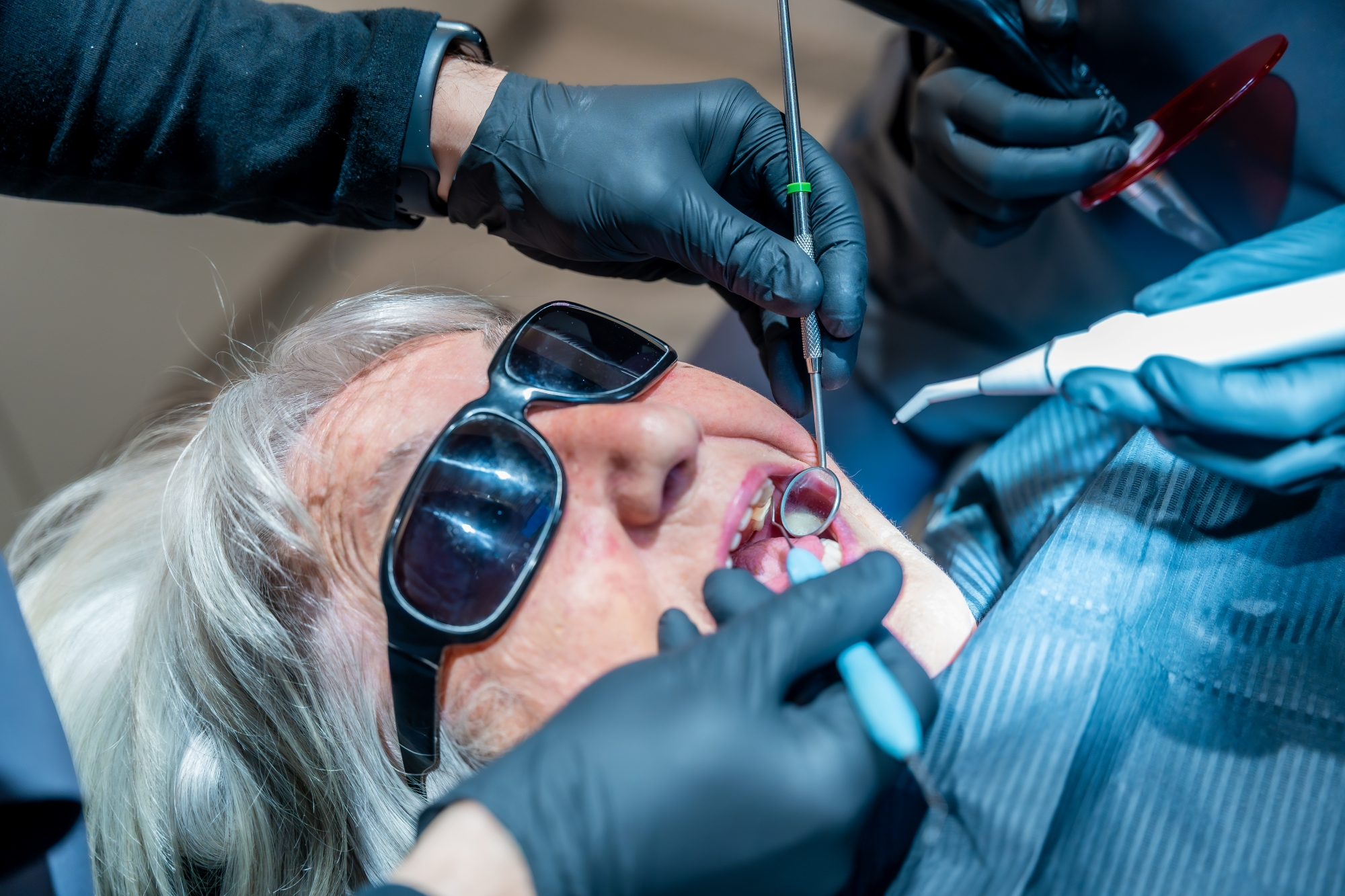
Once healing is complete, the implant can support the final restoration. At this stage, the restoration phase begins. After adequate healing, patients typically return to their restorative dentist for placement of the final tooth.
Function and appearance are restored at this stage. Bite adjustments are made carefully, and precision protects the implant and surrounding structures.
This final step succeeds because earlier healing was allowed to progress fully and without interruption.
Factors That Can Affect Implant Healing Time
Recovery does not look identical for everyone. Several factors influence healing:
- Bone quality and volume affect stability and healing speed.
- Additional procedures, such as bone grafts or sinus lifts, may extend recovery time.
- Smoking, inconsistent hygiene, and certain health conditions can slow healing.
- Following post-operative instructions supports a smoother recovery.
Steady habits and regular follow-up visits contribute to stable healing. Differences in timelines are normal, and healing plans are adjusted on an individual basis. Recovery cannot be forced into a fixed schedule.
Best Practices for Post-Implant Care Throughout Recovery
Post-implant care is simple but requires consistency. Patients play an important role in supporting healing.
Key practices include:
- Clean the area exactly as instructed. Daily hygiene remains essential.
- Avoiding unnecessary pressure on the implant site.
- Attend follow-up visits, even if everything feels normal.
- Report unusual symptoms early.
Addressing small concerns promptly makes them easier to manage and supports long-term stability.
A Gradual Healing Process That Supports Lasting Results
Dental implant recovery follows a predictable, step-by-step course. Each stage supports long-term stability and function.
At Premier Oral and Maxillofacial Surgery Group, patients receive guidance throughout recovery. We ensure smooth healing through careful monitoring and ongoing support.
So if you are considering dental implant treatment, schedule a consultation with our team. We can walk you through what recovery usually looks like and how to support healing from the beginning.
Comments are closed.