
Facial Surgery Recovery: Managing Swelling, Pain, and Healing at Home
Recovering from facial or oral surgery can seem quite frightening at first because of factors such as swelling, pain, changes in eating habits, and rest limitations. However, most patients usually feel much better as soon as they know how the process goes.
Facial surgery recovery might include symptoms such as swelling and pain, as well as eating different foods. However, all these conditions should subside with the help of appropriate care and management.
There are many things that one needs to consider in order to make the process easier. This blog discusses the issues related to recovery from various types of facial surgery and will cover post-surgical swelling, diet, and recovery timeline.
Why Recovery Feels Easier When You Know What To Expect
Most patients spend days thinking about the surgery itself. Then recovery starts, and the focus changes almost immediately.
The swelling shows up, eating feels weird, and sleeping comfortably becomes harder than expected. These small things suddenly turn into questions people did not think to ask beforehand. Much of that uncertainty eases once patients know what recovery typically looks like.
Facial surgery recovery is different for everybody. Someone healing after a tooth extraction will not recover the same way as a patient going through orthognathic surgery or facial trauma treatment. Even two people having the exact same procedure may heal differently depending on sleep, overall health, swelling, and how carefully instructions are followed at home.
What Recovery Looks Like After Facial Surgery
The first few days are usually the most frustrating part. Patients often expect improvement to happen in a straight line, but recovery rarely does. One morning may feel easier. The next day, the jaw suddenly feels tighter again.
Swelling, bruising, tenderness, jaw stiffness, and chewing discomfort are all fairly common after many oral and facial procedures. More involved surgeries generally need a longer recovery period than simpler outpatient treatment.
At Premier Oral and Maxillofacial Surgery Group, patients receive instructions specific to the procedure they had, because healing after a bone graft differs from healing after implants or jaw surgery.
Managing Post-Surgical Swelling At Home
Post-surgical swelling sometimes bothers patients more than pain because it fluctuates at first. A patient may feel decent the day after surgery and then wake up more swollen later. That usually catches people off guard. For many procedures, swelling builds before it improves.
Rest matters more than people expect during this stage. So does slowing down activity for a while instead of trying to “push through” recovery too quickly. Some patients are asked to sleep with their head elevated or use cold compresses, depending on the procedure and stage of healing. If the pain gets worse, we may recommend prescription medication, over-the-counter medication, or both, depending on the procedure and medical history.
During facial surgery recovery, swelling should gradually settle over time. If it suddenly becomes severe, continues to worsen, or occurs alongside fever or drainage, patients should contact the office rather than assuming it will pass on its own.
Understanding The Healing Timeline
Patients love exact recovery timelines. The body does not always cooperate with those. The healing timeline depends on several things together. The procedure matters as well as the age. The impact of sleep, hydration, smoking history, diet, and overall well-being is unique to the healing process.
In the early stages of healing, sleep, hydration, reducing swelling, and eating soft foods play important roles. Over time, patients typically experience improvements in their ability to chew and reductions in swelling.
Orthognathic surgery generally involves a longer, more structured healing timeline because the jawbones need time to stabilize and heal. Some patients recover surprisingly quickly. Others simply need more patience.
Post-Oral Surgery Diet: What To Eat While You Heal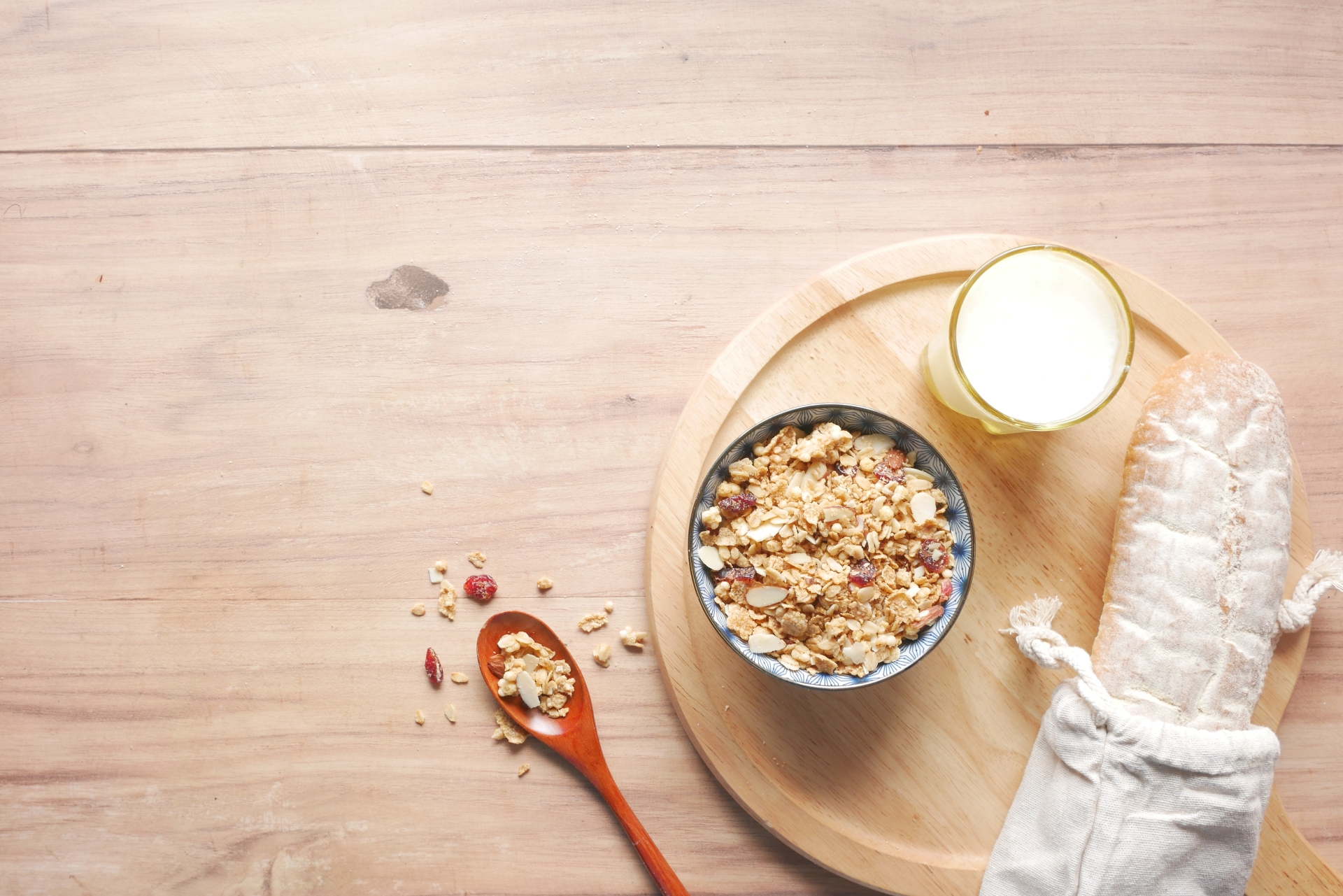
The first meal after surgery is usually disappointing, and it is completely normal to feel like that. A post oral surgery diet often starts with softer foods that do not require much chewing. Yogurt, oatmeal, mashed potatoes, applesauce, scrambled eggs, soups, and smoothies eaten with a spoon are common choices early on.
Crunchy foods usually wait until healing improves more. Chips, crusty bread, nuts, and spicy foods can irritate the surgical area during early recovery.
Some procedures also come with straw restrictions because suction may interfere with healing tissue. After orthognathic surgery, the post oral surgery diet may become more detailed depending on jaw healing and chewing restrictions.
Oral Hygiene, Rest, And Daily Activity At Home
Recovery will be much easier if the patient keeps everything simple. The vast majority of people are advised not to disturb the operated area during recovery. Oral hygiene tips need to be followed properly, particularly after any tooth extraction or stitching process.
Heavy workouts and strenuous activity are usually limited for a while, too. Some patients also find sleeping slightly elevated helps reduce pressure and swelling during facial surgery recovery.
FAQs
How Long Does Facial Surgery Recovery Take?
Recovery after facial surgery will depend on the actual surgery and the post-surgery recovery process of the individual.
How Much Swelling Is Normal After Facial Surgery?
Some post-surgical swelling is expected after many oral and facial procedures.
What Should I Eat After Facial Or Oral Surgery?
A post oral surgery diet usually begins with softer foods that are easier to chew and swallow.
Is Recovery Different After Orthognathic Surgery?
Indeed. Orthognathic surgery usually requires a longer and more organized recovery period.
When Should I Be Concerned During The Healing Timeline?
The patient should contact the office if his/her symptoms worsen rather than improve.
Healing At Home Starts With Clear Instructions
Typical facial surgery recovery includes rest, dealing with swelling, drinking plenty of fluids, eating soft food, and following post-operative instructions carefully. At Premier Oral and Maxillofacial Surgery Group, patients receive personalized guidance so they feel prepared for recovery at home and know when to reach out with questions or concerns.
Schedule a consultation with Premier Oral to review your procedure, understand your recovery plan, and feel more prepared for your home recovery.
Comments are closed.