
Why Jawbone Loss Happens After Tooth Loss and How Oral Surgeons Restore It
Losing a tooth packs more of a punch than you’d guess. Sure, there’s the obvious gap messing with your smile or making it hard to eat steak. But down in your jaw, that empty spot where the root used to be? The bone just starts shrinking away, nice and quiet, little by little, without that everyday chewing push. Your jawbone needs that stimulation to stay strong. Without it, bone loss kicks in right after extraction, fast at first, then slower over months. You might not see it or feel it happening under the surface, but it’s surely happening.
In this blog, we’ll cover what causes this bone loss, its long-term effects, and how our team at Premier Oral and Maxillofacial Surgery Group can restore it when needed. Understanding the causes and the possible steps you can take next will put you in a better position to address them early.
Why the Jawbone Needs Teeth to Stay Healthy
Picture your jawbone like a muscle that needs regular work to stay strong. When you chew, the force travels from the root of your teeth straight into the bones. That pressure signals your body to keep renewing and replenishing the bone. Without teeth, there is no more stimulation. Your body figures that that area is no longer needed. When this happens, the bone slowly resorbs, a process called bone resorption. It’s not a disease or a major issue; it’s simply a routine biological process. Think of it like muscles shrinking without exercise.
That is bone loss in a nutshell. It usually happens after extractions, unless proactive measures are taken to replicate the root action. At Premier Oral and Maxillofacial Surgery Group, we see it all the time and know how to step in early to help your jaw maintain its shape and strength.
How Bone Loss Begins After Tooth Loss
Bone loss kicks off right after you lose a tooth or get one pulled. In those first few weeks, your jaw socket fills with blood and soft tissue while the bone starts to pull back quickly; up to 20-30% of its width can be lost in the first three months.
Around six months later, you’re typically down 3 to 5 mm in width and 2 to 3 mm in height. That’s the ridge the tooth sat on. It becomes shorter and narrower, but the process continues at a slower pace, especially when the concerned area remains toothless for longer. Even if your other teeth feel fine, that spot continues to resorb quietly. We often spot it later when planning implants at Premier Oral and Maxillofacial Surgery Group, since the bone needs to be solid for them. Catching it early changes the game.
The Long-Term Effects of Untreated Jaw Bone Loss
Over time, bone loss in the jaw can make it difficult to place dental implants. Dental implants need a solid foundation to be effective, and that foundation is your jawbone. When the jawbone becomes weak after tooth removal, it shrinks, making it difficult for implants to remain secure.
Additionally, nearby teeth start shifting into the gap. Your bite is also affected, leading to uneven chewing and the erosion of your remaining teeth. Facial support also takes a hit without jawbones near your cheeks and lips. This can give the face an overall sunken look. Furthermore, dentures fit poorly on a thinning jaw without a solid foundation.
The upside? Early intervention at Premier Oral and Maxillofacial Surgery Group keeps more options open. Our team is dedicated to carefully preserving bone early and guiding you every step of the way, so treatments stay simpler down the line.
How Oral Surgeons Diagnose Bone Loss
We start with a close look at your mouth during a regular exam, checking gums, teeth alignment, and any signs of change, which gives us the first clues about bone loss.
Then we turn to 3D imaging. It shows the exact volume, density, and quality of your jawbone, as well as where the loss is most prominent. With no guesswork, we measure it right down to the millimeter.
From there, we decide if it’s time for prevention or restoration. Our team at Premier Oral and Maxillofacial Surgery Group lays it all out clearly, so you know what’s needed and why. It’s straightforward and puts you in the know.
Bone Grafting: How Oral Surgeons Restore Lost Bone
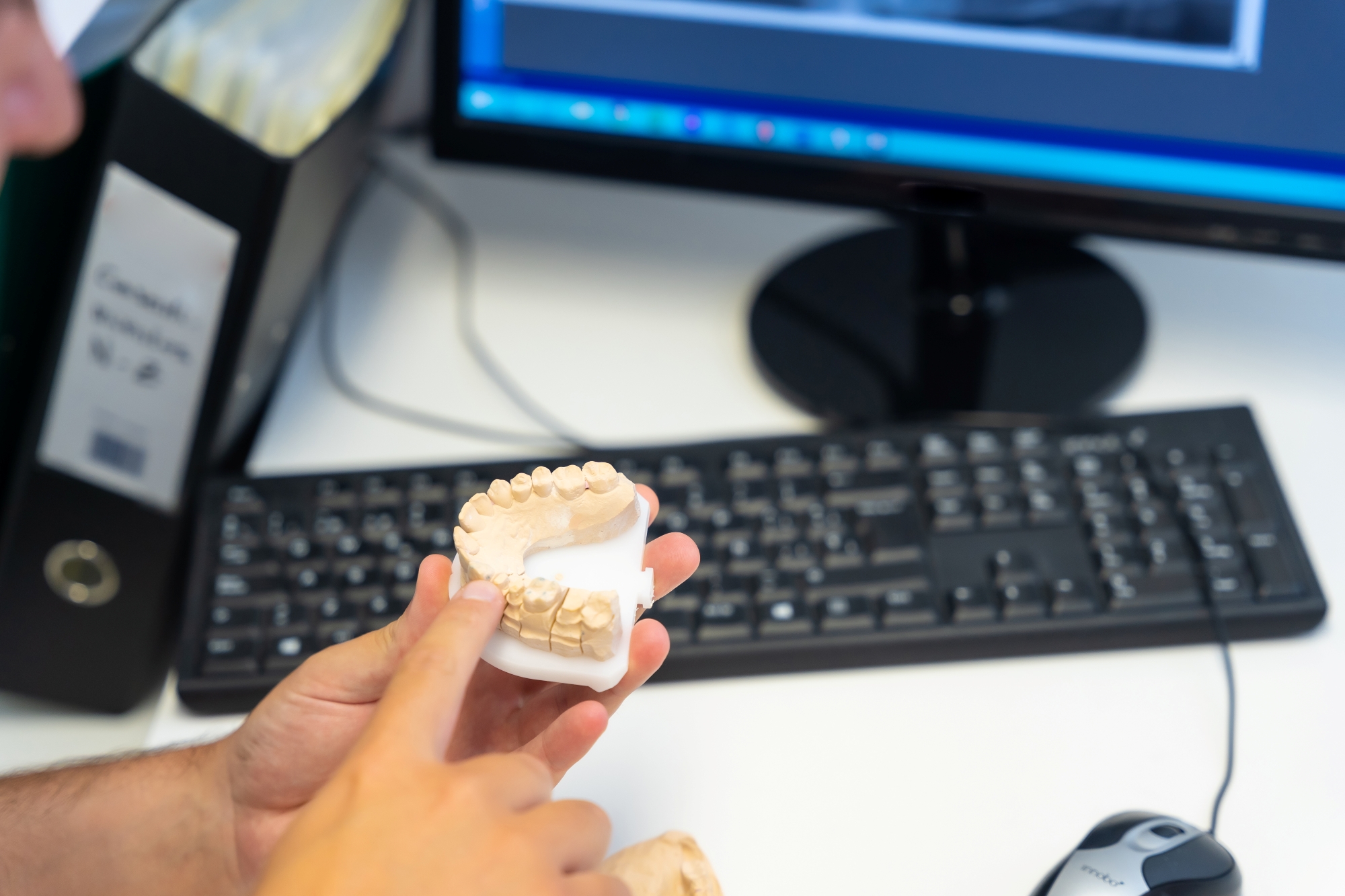
Bone grafting rebuilds the jawbone that’s melted away after tooth loss. We recommend it when bone loss is insufficient for implants or when strong support is needed, getting your jaw ready for the long haul. We use a variety of materials, such as your own bone, donor bone, or safe synthetic options. All work as a framework for your body to grow new bone.
Here’s the rundown. First, we prep the area, cleaning and shaping it. Then we pack in the graft material snug against the existing bone. Over a few months, your body weaves in new bone cells, turning it solid. The benefits of this procedure really stack up. It restores strength so your jaw can chew again, and it prevents further decay, keeping things stable.
Our surgeons at Premier Oral and Maxillofacial Surgery Group ensure your comfort every step of the way so that you heal with confidence and are set up for lasting function.
Advanced Techniques for Severe Bone Loss
For severe bone loss, we step up to ridge augmentation. It rebuilds the jaw’s natural contours, fixing up spots that have shrunk too much sideways or top-down.
Sinus lifts help when the upper jaw lacks bone near the sinuses. We gently raise the sinus floor and pack in graft material to create space for implants without hitting air pockets. Guided bone regeneration uses special membranes over the graft. It keeps soft tissue away, allowing new bone to grow clean and strong in the defect.
These procedures pave the way for future implants. Our team at Premier Oral and Maxillofacial Surgery Group tailors them to your jaw with care, making tough cases workable with solid results.
Healing and Recovery After Bone Restoration
After bone grafting, your jaw needs a few months to fully integrate the new bone. Most people feel normal in a week or so, with the graft hardening up strongly over 3-6 months.
You might notice some light swelling or tenderness right after, but it’s not a big deal and can be sorted out with ice packs or ibuprofen.
Stick to our post-op instructions from Premier Oral and Maxillofacial Surgery Group, like soft foods and gentle rinsing. It keeps healing on track and smooth. We check progress with follow-up X-rays to confirm that the bone regenerated solidly.
Why Early Evaluation Makes a Difference
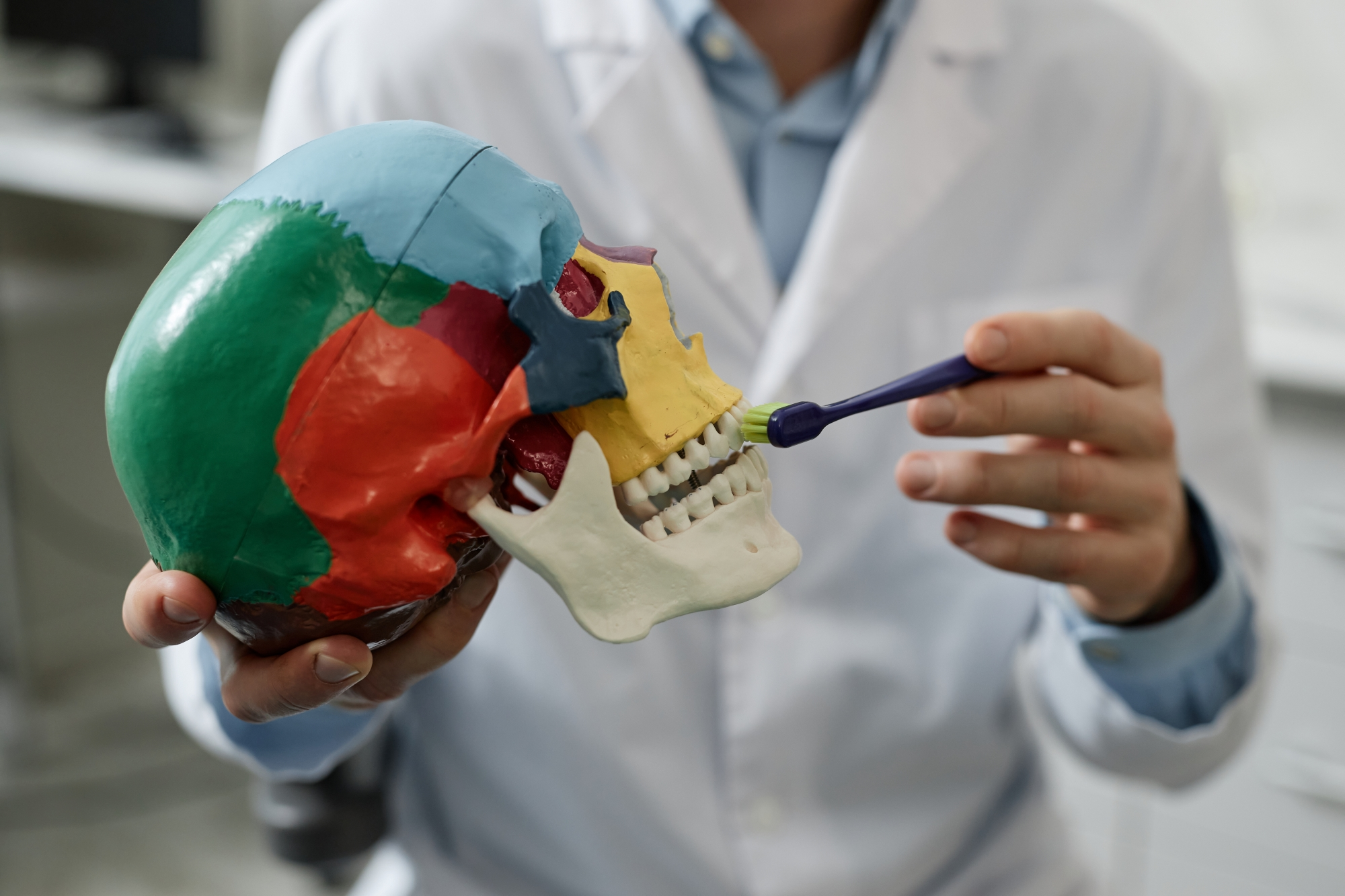
Getting checked early helps preserve more of your natural jawbone. Preventive steps like ridge preservation help reduce major surgeries down the road. Bone loss after tooth loss is very common, but there is no need to worry. You’ll feel confident knowing our team at Premier Oral and Maxillofacial Surgery handles these issues with expertise, precision, and care.
Schedule a consultation to evaluate jawbone health and discuss restoration options. We’re ready to talk it through.
Comments are closed.