
Not Enough Jaw Bone for Implants? Here Are Your Options
When we finally decide to replace a missing tooth, we usually do not expect another issue to come up. Most of us assume the process will move forward normally. Usually, by the time the extraction area heals, patients already feel mentally prepared for tooth replacement. The damaged tooth is gone. The healing has started. Maybe they have even spent months thinking about implants already. So when they hear there may be insufficient jawbone for implants, it can feel surprisingly discouraging.
In this blog, we tell you what the available options are when jaw bones are not enough for implants, why treatment planning matters so much before implant placement even begins, and how patients can easily go through the procedure.
Why Does Bone Loss Happen After Tooth Loss?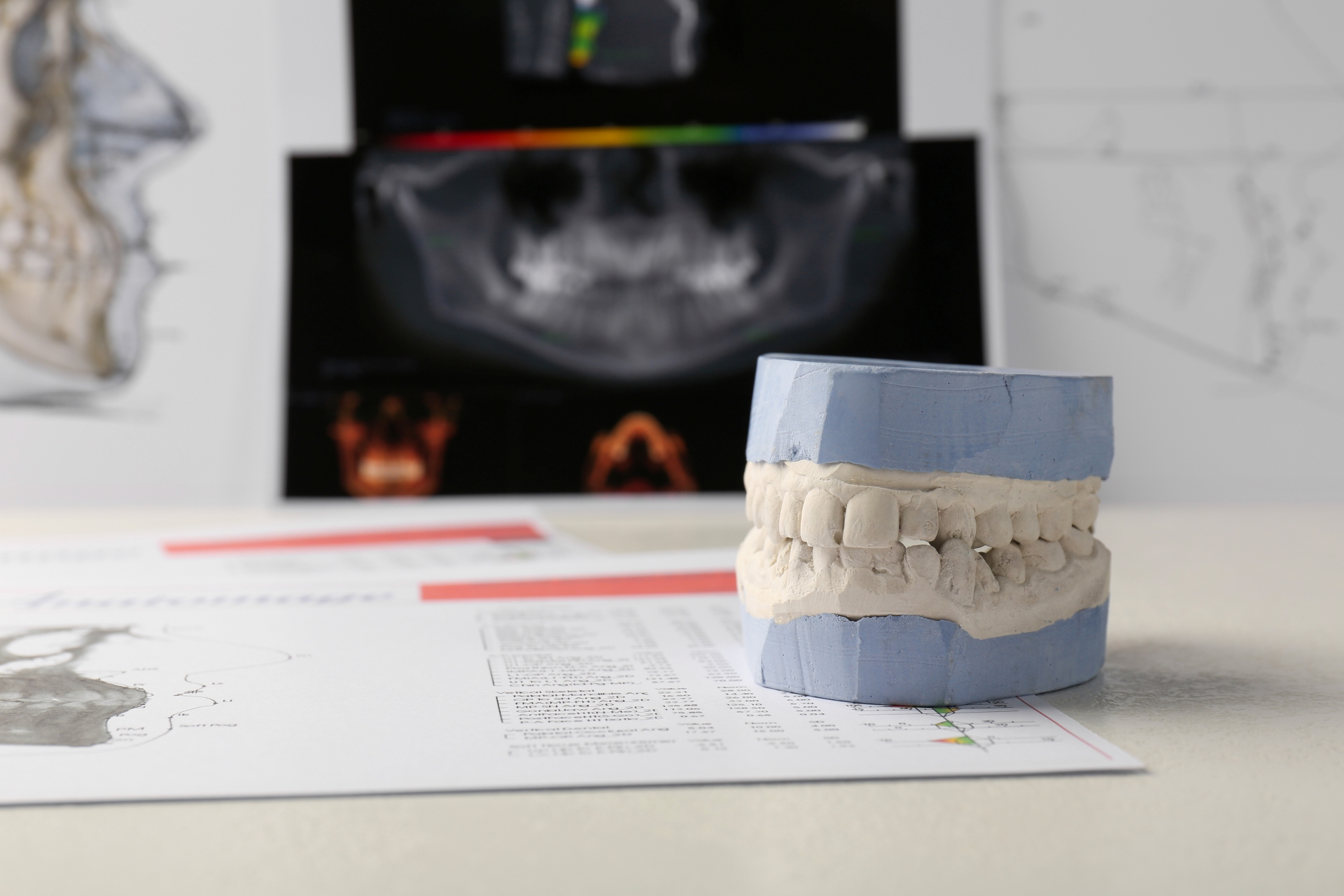
People are usually more aware of changes in the gums than of changes beneath the surface, but once a tooth is removed, the jawbone in that area slowly begins to change as well. The root of a natural tooth constantly stimulates the bone during chewing and biting. Without that stimulation, the body may gradually start reabsorbing some of the bone in that area.
This is actually a very normal process. Issues like gum disease, infection, trauma, or long-term missing teeth can speed up that process even more. Eventually, patients may be told that they have insufficient jawbone for implants. This happens because the bone no longer has enough height or width to support them properly.
According to the American Association of Oral and Maxillofacial Surgeons, procedures such as bone grafting and socket preservation may help maintain the natural bone structure after tooth extraction or loss. So the conversation often becomes less about whether something can be fixed and more about what kind of preparation may help.
Implant Candidacy Is More Personal Than People Think
Many patients assume implant decisions are made quickly. One scan and one answer may sound simple, but implant planning is rarely that quick.
Our expert team considers bone volume, gum health, healing capacity, smoking history, medical conditions, bite pressure, and even the location of the missing tooth. Imaging also helps evaluate nearby structures, such as nerves or the sinus cavity in the upper jaw.
Sometimes the procedure is delayed for patients, which is often misunderstood as impossible surgery. But it is important to understand that delays are not the same as rejection. Those two things are not the same. In many situations, the jaw simply needs preparation first before implant placement becomes safer and more predictable. In many cases, there are treatment options that may help:
Option One: Bone Graft for Implants
A bone graft for implants is one of the most common ways to rebuild support in the jaw. During the procedure, grafting material is placed where bone volume has been lost. Over time, the area heals and may build stronger support for future implant placement. Some grafts are small while others need more time to heal before implants are considered. It really depends on the condition of the jaw and how much bone has changed.
A bone graft for implants may be recommended after bone loss is caused by infection, trauma, gum disease, or long-term missing teeth. Honestly, the word “graft” often sounds much scarier than the procedure itself usually feels. Patients need to understand what is actually happening during the procedure.
Option Two: Sinus Lift for Upper Back Teeth
A sinus lift is used specifically for certain upper back teeth. In some patients, the sinus cavity lies very close to where the implant needs to be placed. If the underlying bone is not sufficient, the area may need more support first. During a sinus lift, the sinus membrane is gently lifted, and grafting material is added below it. Over time, this may help create enough bone support for implant placement.
It sounds intimidating when people first hear the name. Honestly, some procedures simply sound intimidating at first, but this is a well-established part of implant planning in some upper-jaw cases. Most importantly, not everyone requires a sinus lift. Imaging helps determine whether the sinus position actually affects treatment planning.
Option Three: Ridge Preservation After Extraction
Sometimes, the best time to protect the bone is right after the tooth comes out. Ridge preservation is performed after extraction to help maintain the shape and width of the jaw while healing happens. Once the root is gone, the surrounding bone can gradually shrink.
This is one of the reasons why patients later develop insufficient jawbone for implants. This happens specifically when teeth have been missing for years before treatment starts. Procedures involving ridge preservation may help reduce those bone changes early and preserve future implant options while the area heals.
Option Four: Staged Treatment Planning
Some patients need treatment in phases instead of everything happening immediately. That may involve extraction first, followed by healing, grafting, additional imaging, and implant placement. Grafted bone may need several months to heal before implants can be placed safely.
This timeline can sometimes feel frustrating for patients. Patients often want everything finished as quickly as possible. However, at Premier Oral, staged planning is usually about carefully building stability, rather than rushing the process before the jaw is ready.
Option Five: Pre-Prosthetic Surgery
Not every patient plans on implants right away. In some situations, the priority is creating a more stable foundation for dentures or another prosthetic option. This is where pre-prosthetic surgery may come in.
Pre-prosthetic surgery may involve reshaping bone, smoothing uneven areas, or adjusting soft tissues. The goal is to help the prosthetic feel more stable and comfortable afterward. It is not the same as implant placement, but it can still play an important role in improving oral function and comfort in the long term.
FAQs
How Does A Sinus Lift Help With Implants?
A sinus lift may be used in the upper back jaw when there is not enough bone height below the sinus. The procedure adds grafting material beneath the lifted sinus membrane to support future implant planning.
Can Ridge Preservation Help Me Avoid Bone Loss?
Ridge preservation may help limit bone changes after extraction by supporting the shape of the jaw ridge. It does not promise to prevent all bone loss, but it may help preserve future treatment options.
What is pre-prosthetic surgery used for?
Pre-prosthetic surgery prepares the mouth for dentures or other prosthetic restorations. It may involve reshaping bone or soft tissue so the prosthetic has a more stable and comfortable foundation.
Not Enough Bone Does Not Mean No Options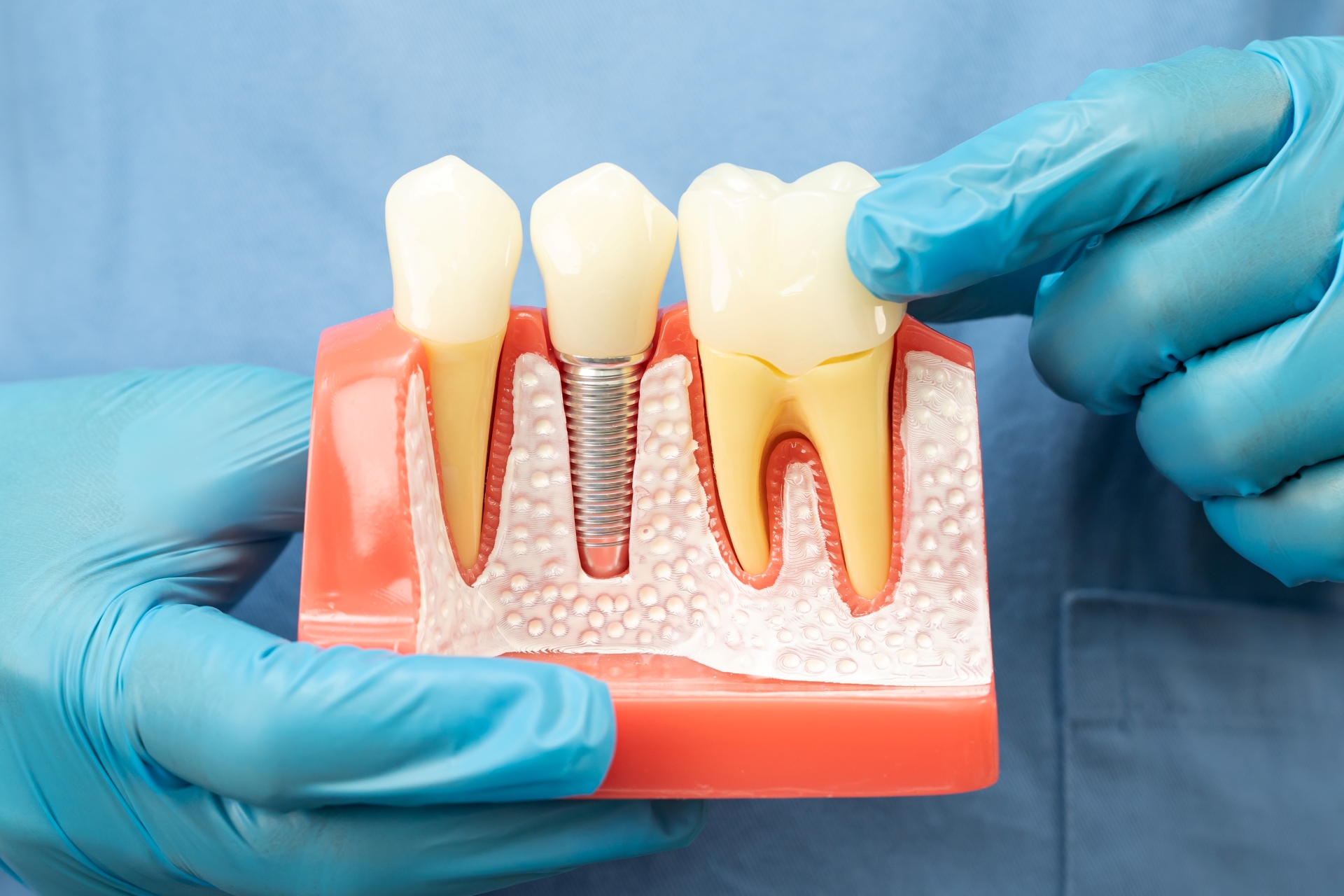
An insufficient jawbone for implants can feel discouraging at first. Most patients do not expect to hear they need additional planning before moving forward. At Premier Oral and Maxillofacial Surgery Group, the goal is not to overwhelm patients with procedures or complicated terminology. It is to evaluate the jaw carefully, explain things honestly, and help patients understand what is realistic for their long-term oral health.
Book a consultation with Premier Oral and Maxillofacial Surgery Group to understand your options and finalize a treatment plan that supports your oral health.
Comments are closed.