
Oral Pathology 101: Early Signs of Conditions Surgeons Check For!
Oral health plays an important role in overall well-being, yet many significant changes occur quietly beneath the surface. Patients usually come in for a routine check-up with concerns centered on cavities, cleanings, or tooth alignment.
However, a vital aspect of oral healthcare isn’t commonly discussed and often comes to light only when it becomes unavoidable: oral pathology.
At Premier Oral and Maxillofacial Surgery Group, we regularly meet patients who have noticed a small but persistent change. It may be a tiny spot on the gum or a lingering soreness, or something that simply feels different.
While the word “pathology” can sound intimidating, the process is grounded in proactive care and peace of mind. In this blog, we will explore what our specialists look for during evaluations, why early screening matters, and how we guide you through each step with expertise and compassion.
What Oral Pathology Really Means?
In simple terms, oral pathology focuses on identifying when something in the mouth looks or feels different from what is considered healthy. The mouth is lined with mucosa, a tissue that normally appears pink, smooth, and healthy. When there are changes in color, texture, or shape, those differences deserve careful attention.
Some changes result from irritation, infection, or long-standing habits, while others require closer evaluation. An oral surgeon’s role is to assess not only the visible surface tissues but also the structure underneath, including the jawbone.
The tissues of the face and jaw are closely connected; a small change in one area can influence another. This is why professional evaluations matter, even when there is no pain or discomfort.
Why Early Detection Matters So Much?
Many oral conditions develop quietly, without pain or obvious warning signs. Patients often assume that if something does not hurt, it is not serious. That assumption, however, is not always true.
Early detection allows for simpler treatment, less invasive care, and often leads to a better recovery and more treatment options. When these changes are ignored or delayed, those options become more limited over time.
At Premier, early screening is never about creating fear. It is about providing clarity. When a concern is identified early, it is often easier to manage, and in many cases, the result is reassurance rather than treatment.
Signs Surgeons Pay Attention To
Patients often tell us that something simply feels different, even when they cannot see a clear change themselves. During an evaluation, our surgeons look for patterns and physical signs that may indicate a need for evaluation.
We carefully check for concerns such as sores that do not heal within 2 weeks, white or red patches, mixed-color areas, unexplained lumps, thickened tissue, or swelling. Changes in sensation matter too, including numbness, tingling, and differences in tissue texture.
Pain is not always present. Jaw discomfort or imaging-identified changes can also signal the need for further evaluation.
It’s important to note that many of these findings turn out to be harmless. However, some signs can resemble more serious conditions. That is why professional evaluation matters.
What Does an Oral Lesion Exam Look Like?
The idea of an oral lesion exam can make some patients feel anxious. In reality, the process is simple and typically painless. Understanding what to expect can help ease concerns before the exam begins.
The evaluation starts with a careful visual examination of the mouth. This includes the tongue, the roof of the mouth, the back of the throat, the gums, and the inner cheeks. Particular attention is given to the underside of the tongue, an area that is especially important and often overlooked during routine checks.
Our surgeons also gently examine the jaw, neck, and lymph nodes to check for any swelling or firmness. This step, known as palpation, is performed carefully and is not aggressive or uncomfortable.
Throughout the process, we explain what we observe and what it means. If something needs follow-up, we explain the reason. The goal is always to remove the uncertainty, as understanding helps patients feel steady and informed.
How Screening Is Done?
Visual examinations are an important first step, but they are not always enough on their own. Some conditions affect bone or deeper structures beneath the surface that cannot be identified through visual inspection.
This is where advanced 3D-imaging becomes essential. Panoramic X-rays or 3D CBCT scans allow our surgeons to see what cannot be seen on the surface, including cysts, bone changes, or silent abnormalities.
In some situations, we document an area and monitor it over time to track changes. In others, treatment or further investigation may be recommended. These decisions are guided by clear criteria and not assumptions.
When a Biopsy Is Suggested?
Hearing the word biopsy can be stressful. It is important to understand what a biopsy really means.
A biopsy is not a diagnosis. It is a tool. A small sample of tissue is taken for examination under a microscope. That is how clear answers are found.
The procedure itself is quick. The area is numbed properly. Most patients are surprised by how easy it feels. Recovery is usually simple.
Often, biopsy results show that the condition is benign. That moment brings relief. And when treatment is needed, the plan becomes clear.
Conditions Oral Surgeons Commonly Evaluate
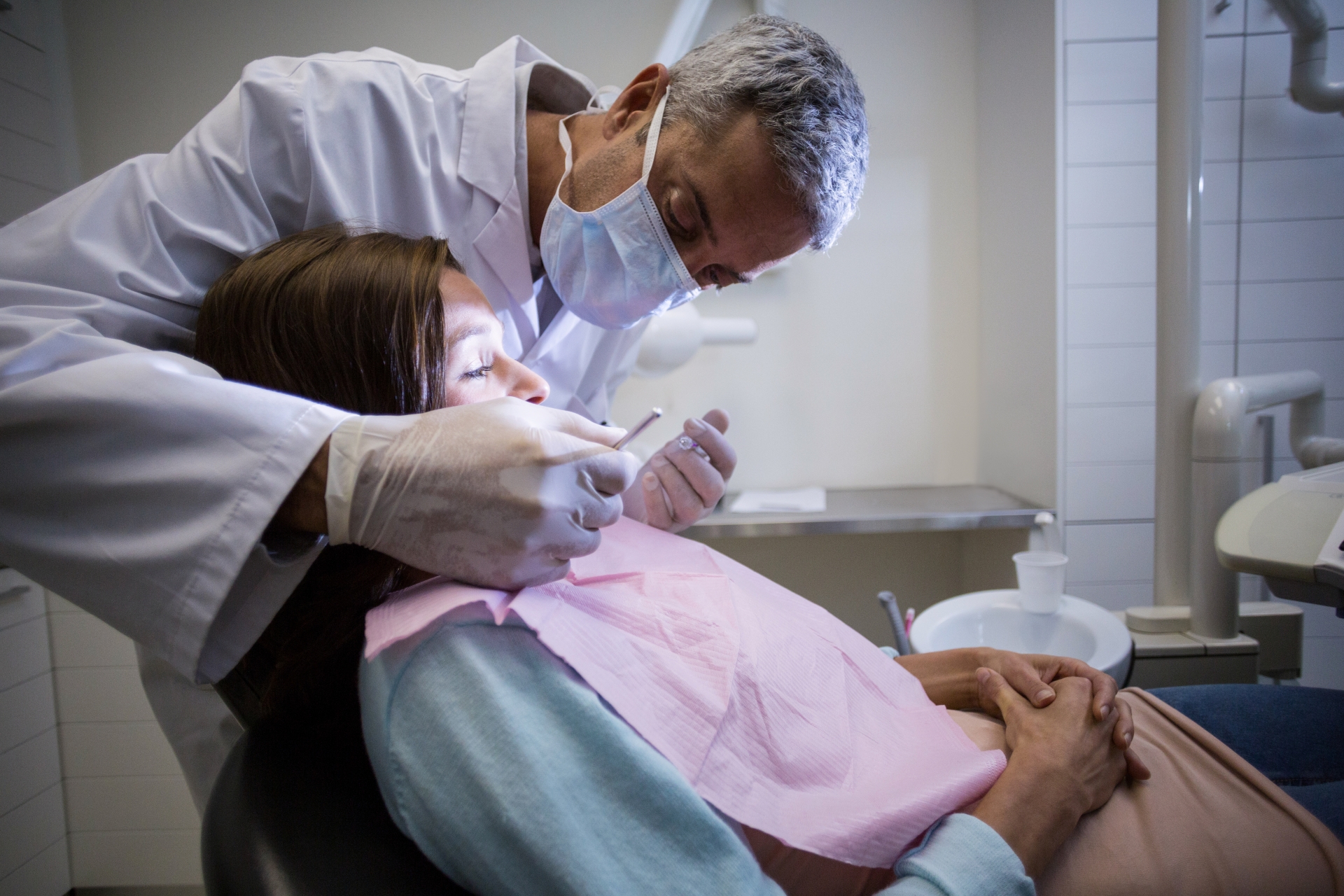
Oral surgeons do not only manage serious diseases. Much of oral pathology involves cysts, benign growths, inflammatory changes, reactive tissue, and bone abnormalities, all of which are identified through imaging.
Some findings require monitoring over time, others may need treatment, and many simply call for reassurance. Specialised training enables oral surgeons to accurately recognise both common and rare patterns.
Supporting Peace of Mind Through Early Evaluation
Oral pathology is about awareness. It means paying attention early rather than reacting later.
At Premier Oral and Maxillofacial Surgery Group, our approach is simple and patient-oriented. We focus on careful examination, clear communication, and respect for patient comfort, without creating unnecessary alarm.
Most early evaluations lead to reassurance. When something does require attention, addressing it early often makes the path easier and more manageable.
If something in your mouth feels different, it is always appropriate to ask questions and seek clarity.
If you have noticed any signs and have concerns, do schedule a consultation with our team. We are here to guide you and not scare you.
Comments are closed.