
Oral Pathology: What Oral Surgeons Look For And When To Get Screened
Every time we notice a strange spot inside our mouth, we panic. Isn’t that natural? But not every unusual spot means something dangerous. Yet we still worry when there’s a sore that refuses to heal, a white patch that suddenly appears, or swelling that makes eating uncomfortable.
At first, most people ignore it and hope it disappears on its own. Sometimes it does, but sometimes it stays on.This is where oral pathology becomes important. It focuses on understanding unusual changes involving the mouth, gums, tongue, jaw, lips, cheeks, and nearby tissues. Most of these changes are harmless and linked to irritation, infection, or inflammation. But some symptoms deserve professional attention because the mouth can sometimes reveal early signs of underlying issues.
In this blog, we’ll walk you through what surgeons look for during screenings, what happens during an oral lesion exam, when an oral biopsy becomes necessary, and how jaw cyst removal is approached safely.
What Oral Pathology Actually Means?
Oral pathology is the branch of healthcare focused on diagnosing and managing diseases or abnormal tissue changes affecting the mouth and jaw.
People often hear the word “pathology” and immediately think of cancer. That assumption creates fear before the evaluation even begins. Pathology encompasses many conditions, including benign lesions, chronic irritation, infections, inflammation, and cysts hidden beneath the jawbone.
At Premier Oral Surgery and Maxillofacial Group, oral pathology care includes evaluating tissue changes, lesions, growths, cysts, and symptoms that may need a closer look.
Signs Oral Surgeons Look For During Screening
During a screening, oral surgeons pay attention to both visible changes and physical symptoms.
Some findings are simply easier to notice. According to the American Cancer Society, persistent sores, mouth pain, lumps, red or white patches, trouble chewing or swallowing, numbness, jaw swelling, and voice changes are possible symptoms that should be evaluated if they last for a few weeks. That does not automatically mean something serious is happening. It simply means the body needs attention.
What Happens During An Oral Lesion Exam?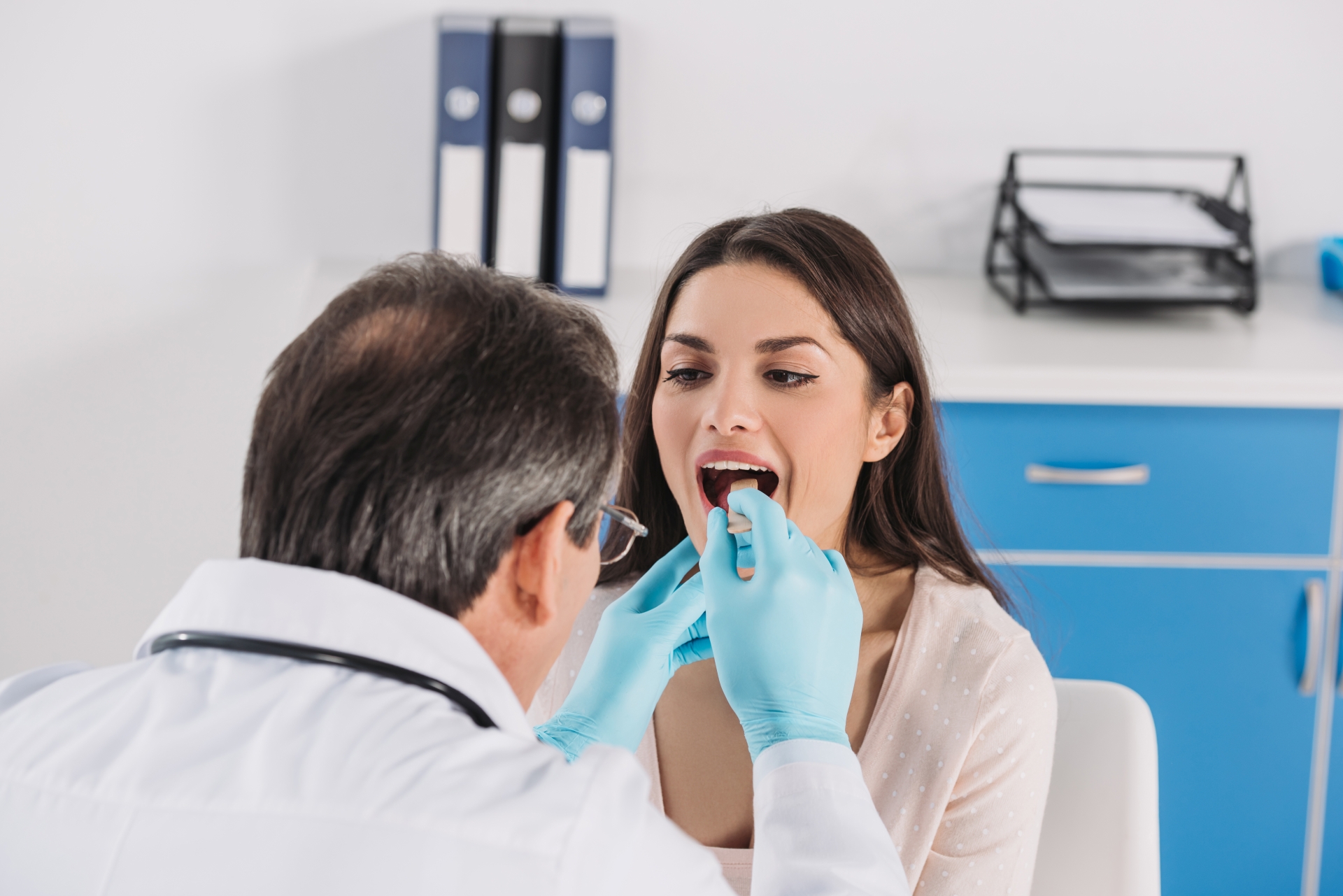
Most patients fear uncertainty more than the exam itself, but an oral lesion exam is usually calm and straightforward. The visit normally begins with a conversation. Surgeons ask when the swelling first appeared, whether there has been any change in size or color, if it causes pain, and whether smoking, eating habits, or accidental trauma seem connected.
This is followed by a physical assessment. The surgeon carefully examines the mouth and studies tissue texture and color. They gently check for swelling beneath the surface. Nearby areas, including the jaw, throat, and neck, may also be evaluated.
Sometimes advanced imaging is used to evaluate structures hidden beneath tissue or bone. At Premier Oral, the appointment is never about rushing someone into surgery. It is about understanding what may be causing the change.
When An Oral Biopsy May Be Recommended?
Sometimes a visual exam alone cannot provide a definite answer. This is when an oral biopsy may be recommended.
An oral biopsy is a routine procedure where a very small sample of tissue is removed and sent to a laboratory for microscopic analysis. This is usually advised when an unusual lesion, sore, patch, or growth does not heal normally. They may also appear unusual during examinations.
It is very important to note that a biopsy does not automatically mean cancer. In fact, many biopsy results reveal harmless irritation, inflammation, or benign tissue conditions. The procedure helps provide clearer answers about changes in the tissue.
Jaw Cysts: Why Do They Matter?
A jaw cyst is a fluid-filled or tissue-lined sac that develops within the jawbone or around tooth roots. Many cysts develop without noticeable symptoms and are discovered during routine dental imaging.
Over time, though, untreated cysts may cause swelling, pressure, infections, pain, or weakening of the jawbone. That is why jaw cyst removal may sometimes be recommended before the cyst affects nearby bone or teeth.
Before surgery, detailed 3D imaging helps the oral surgeon understand the cyst’s size and relationship to nearby nerves or teeth. During jaw cyst removal, the cystic tissue is carefully removed and sent for laboratory evaluation. Recovery may include follow-up visits to monitor healing. At Premier Oral, our goal is to always preserve comfort, oral function, and long-term jaw health.
When To Get Screened?
A professional evaluation should be scheduled whenever a sore, lump, patch, or swelling inside the mouth persists for more than two weeks without improvement.
People with risk factors such as tobacco use, regular alcohol consumption, or previous oral lesions should be especially proactive about screenings. And honestly, screenings should not feel frightening. Oral cancer screening for abnormalities is simply part of preventive healthcare.
FAQs
What Is Oral Pathology?
Oral pathology is the diagnosis and management of diseases or unusual changes affecting the mouth, jaws, and related tissues. It may involve sores, lesions, cysts, swelling, tissue color changes, or growths.
What Happens During An Oral Lesion Exam?
During an oral lesion exam, the surgeon reviews symptoms, examines the area, checks surrounding tissues, and may recommend photos, imaging, follow-up, or testing if the finding needs closer evaluation.
Does Needing An Oral Biopsy Mean I Have Cancer?
No. An oral biopsy is a diagnostic step. It helps identify what a tissue change is, and many biopsied areas are not cancerous.
When Is Jaw Cyst Removal Needed?
Jaw cyst removal may be recommended when a cyst affects nearby teeth, bone, comfort, or oral health, or when tissue needs to be examined to confirm the diagnosis.
How Often Should I Get Screened For Oral Abnormalities?
Routine dental visits often include visual checks of the mouth. If you notice a sore, lump, patch, swelling, or other change that lasts more than a few weeks, schedule an evaluation sooner.
Clear Answers Begin With A Careful Evaluation
Many oral abnormalities are manageable when identified early. The important thing is not ignoring persistent changes out of fear.
Oral pathology exists to provide answers, protect long-term health, and ensure subtle tissue changes are detected early. Sometimes peace of mind begins with getting the right evaluation at the right time.
Schedule a consultation with our team at Premier Oral and Maxillofacial Surgery Group to address your concerns and receive a thorough evaluation. We are here to guide you through the evaluation process and help you understand the next steps.
Comments are closed.