
Preparing for Oral Surgery: A Compassionate Checklist for a Stress-Free Experience
It is very natural to feel nervous before oral surgery. The idea of surgery alone can cause worry, even when reassurance is provided. Many patients experience these feelings, and acknowledging them is an important step.
Thoughtful oral surgery preparation helps patients feel supported, relaxed, and well-informed. Preparation plays an essential role in safety, comfort, and recovery. When patients understand how their surgery will proceed, fewer moments feel unexpected. Knowing what lies ahead often brings a greater sense of calm, control, and support. Preparation also supports smoother healing and a more comfortable recovery.
In this blog, we guide patients through a simple, compassionate checklist designed to support them before surgery, on the day of the procedure, and after recovery. Our goal is to help patients feel prepared and cared for at every step of the experience.
Understanding the Procedure and Treatment Plan
One of the most important parts of oral surgery preparation is understanding which procedure is being recommended and why. This does not mean memorizing medical terminology. Instead, it means having a clear and practical picture of what the surgery involves.
As part of this process, our surgeons review imaging and explain the planned surgical steps to patients. We also discuss what recovery typically looks like and review anesthesia and sedation options. Understanding how comfort is maintained during the procedure makes a meaningful difference in patients’ emotional well-being.
We encourage patients to ask questions at every stage. If something does not make sense, clarification is always welcome. Feeling informed helps build trust, and that trust plays an important role in making the entire experience more manageable.
Medical and Health Information to Review Before Surgery
An important part of the pre-surgery checklist is sharing accurate and complete health information. This includes patients’ medical history, current medications, known allergies, and any chronic conditions that are managed day to day.
In some cases, medications, supplements, or blood thinners may require temporary adjustments. Our surgeons provide clear guidance based on individual needs and carefully review all information before recommending any change.
This step is never about judgment. It’s about safety. The more we understand about patients’ health, the better we can plan care and protect well-being before, during, and after surgery.
The Days Leading Up to Surgery: How to Prepare
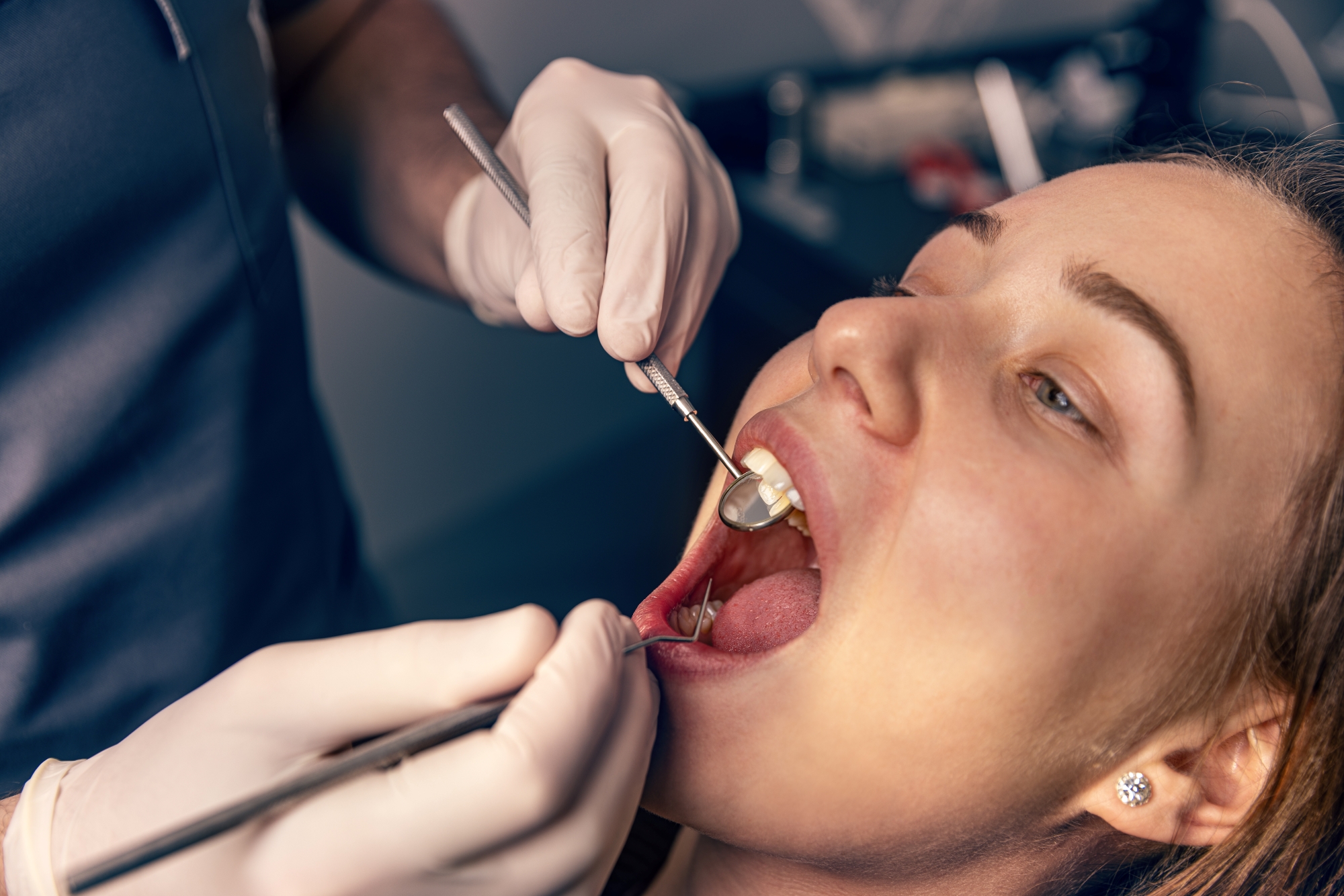
As surgery day approaches, small preparation steps can make a meaningful difference in reducing stress on the day of surgery.
If sedation or anesthesia is planned, our team provides clear instructions regarding fasting. Following these guidelines is important for safety, even if it feels inconvenient. Patients may also be asked to avoid smoking or alcohol for a short time period before surgery.
Preparing the home environment in advance can be very helpful. We recommend stocking of soft foods, water, and any items suggested by the surgical team ahead of time. Planning time off from work or school also helps ensure there’s no pressure to return too quickly.
Creating a comfortable space to rest is equally important. Having pillows, a blanket, and easy access to essential support comfort once the patient returns home. While these details seem minor, they help relax and make recovery more manageable.
What to Bring and Wear on Surgery Day?
Surgery day often feels smoother when there are fewer decisions to make beforehand.
We recommend wearing loose, comfortable clothing and avoiding makeup, jewelry, and contact lenses unless otherwise instructed. Carrying any required documents and arranging for an attendant when sedation is planned also helps ensure the day goes smoothly.
Arriving on time allows for a calm check-in process and a more relaxed start to the procedure. The goal is to begin the day feeling steady, supported, and not stressed.
Managing Anxiety Before Oral Surgery
Feeling anxious before oral surgery is completely normal. Even individuals who typically manage stress well can feel uneasy. Acknowledging these feelings and knowing tips to manage anxiety before oral surgery can make the experience more manageable.
Simple strategies such as breathing techniques, quiet music, or grounding exercises can help ease tension. The surgical team is also there to provide support. Sedation and pain control options are designed to promote comfort and calm, not overwhelm.
Patient comfort is always a priority. There’s no expectation to “tough it out.” Letting the team know how you are feeling allows the care team to offer support when needed.
Preparing the Home for Recovery
Recovery begins the moment patients return home.
Having soft foods ready, keeping ice packs available, and filling prescribed medications ahead of time can prevent unnecessary scrambling after surgery. It is also helpful to keep post-operative instructions in a visible place for easy reference.
Planning for quiet time is equally important. Even when recovery is progressing smoothly, healing requires energy. Elevating the head with pillows and minimizing physical activity can help reduce discomfort.
These small, thoughtful steps support healing and help the patient focus on resting rather than problem-solving.
The Role of the Surgical Team in a Stress-Free Experience
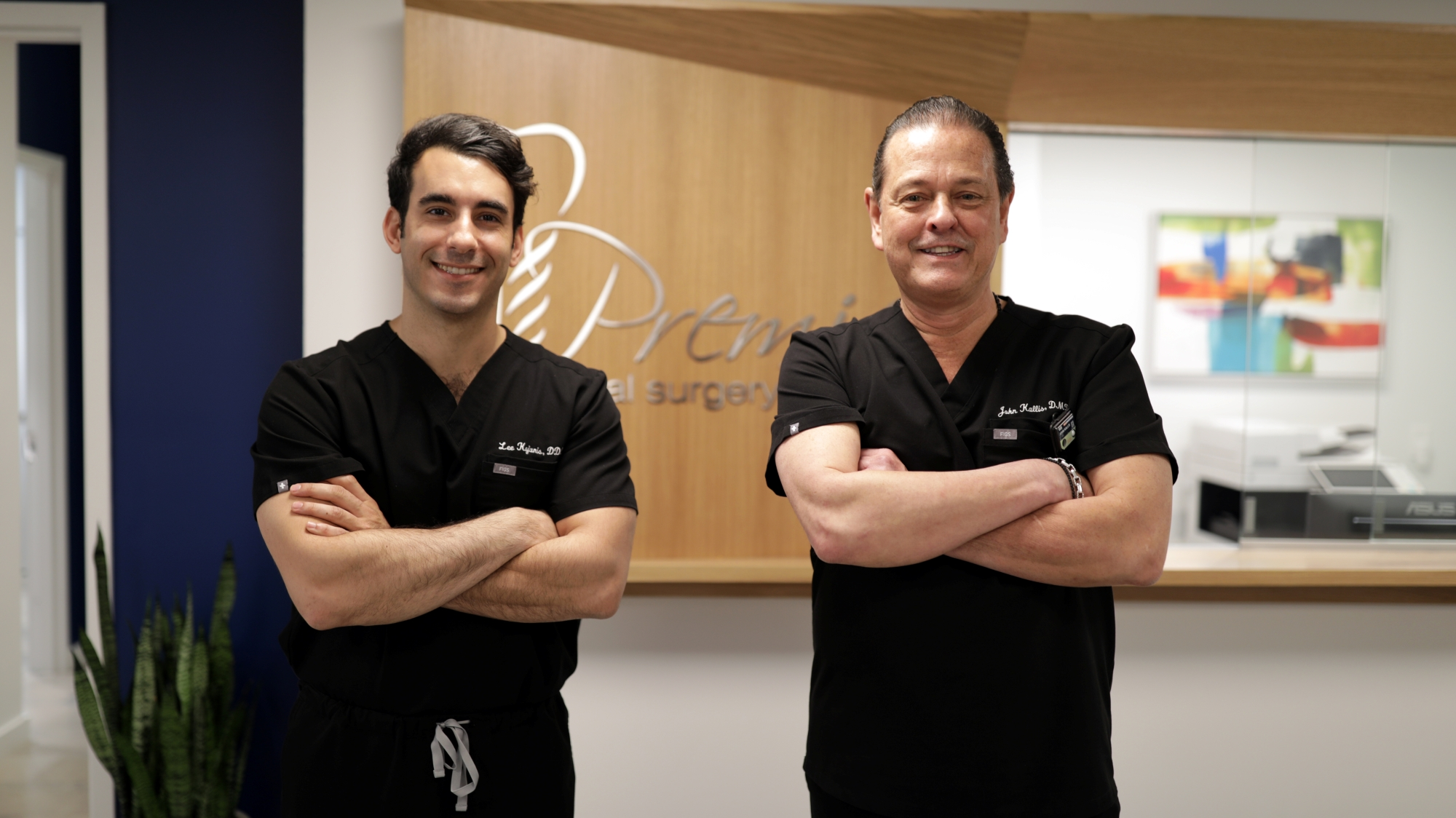
Clear communication and attentive care guide a calm surgical experience. Understanding the role of the surgical team can help patients feel more confident and supported.
At Premier Oral and Maxillofacial Surgery Group, communication begins well before surgery and continues through recovery. Throughout the procedure, comfort and safety are carefully monitored, and each patient receives personalized instructions according to their needs.
We guide patients at every stage, from preparation through follow-up. Trust and compassion are part of the care, and not extras.
Common Preparation Mistakes to Avoid
Some preparation issues are easy to prevent with clear guidance and communication.
Eating during fasting periods or skipping meals when it is not required can lead to complications. Forgetting to arrange transportation after sedation is another common oversight. Following medication instructions carefully is also an important part of safe preparation.
Perhaps most importantly, staying silent when something is unclear can create unnecessary stress. Asking questions is an essential part of preparation, not a sign of worry.
Prepared, Supported, and Confident
Oral surgery preparation involves more than logistics. It’s about helping patients feel supported, informed, and ready.
A thoughtful checklist reduces uncertainty and builds confidence. With the guidance of the oral surgeon and care team, the process does not need to be navigated alone.
If you are planning oral surgery, schedule a consultation with our team to review the preparation plan that can help you move forward feeling calm, prepared, and supported.
Comments are closed.