
Winter Oral Surgery Guide: Why Many Patients Choose This Season for Treatment
Many patients ask, “Is there a better time for oral surgery?” While oral surgery can be performed safely throughout the year, depending on the individual situation and the urgency, timing can influence comfort and the overall recovery experience.
Winter is often considered a preferable season for surgery. During the winter months, people tend to stay indoors more, giving them more time for rest. With less movement and fewer outdoor activities, recovery patients can easily follow the post-operative instructions.
In this blog, we cover recovery advantages, scheduling flexibility, and important factors patients should consider before opting for oral surgery during the winter season.
What Recovery After Oral Surgery Actually Needs
Recovery usually requires patience. Patients may experience pain, swelling, some soreness, and eating might feel different for a few days. Talking can also feel unusual at first. These issues are expected.
People have work, classes, travel, and social plans. However, doctors typically advise patients to rest, avoid heavy physical activity, and follow post-operative instructions carefully. While this may sound simple, it can feel repetitive, which is why some patients find it difficult to maintain.
Healing also depends on small daily habits. It is influenced by how much patients move and how well they rest, whether they rush through daily activities or allow themselves time to recover at home. These factors do not stop healing, but they can make recovery feel longer or more uncomfortable.
This is where timing and careful management of postoperative pain can quietly support the healing process.
Why Winter Feels Easier for Many Patients
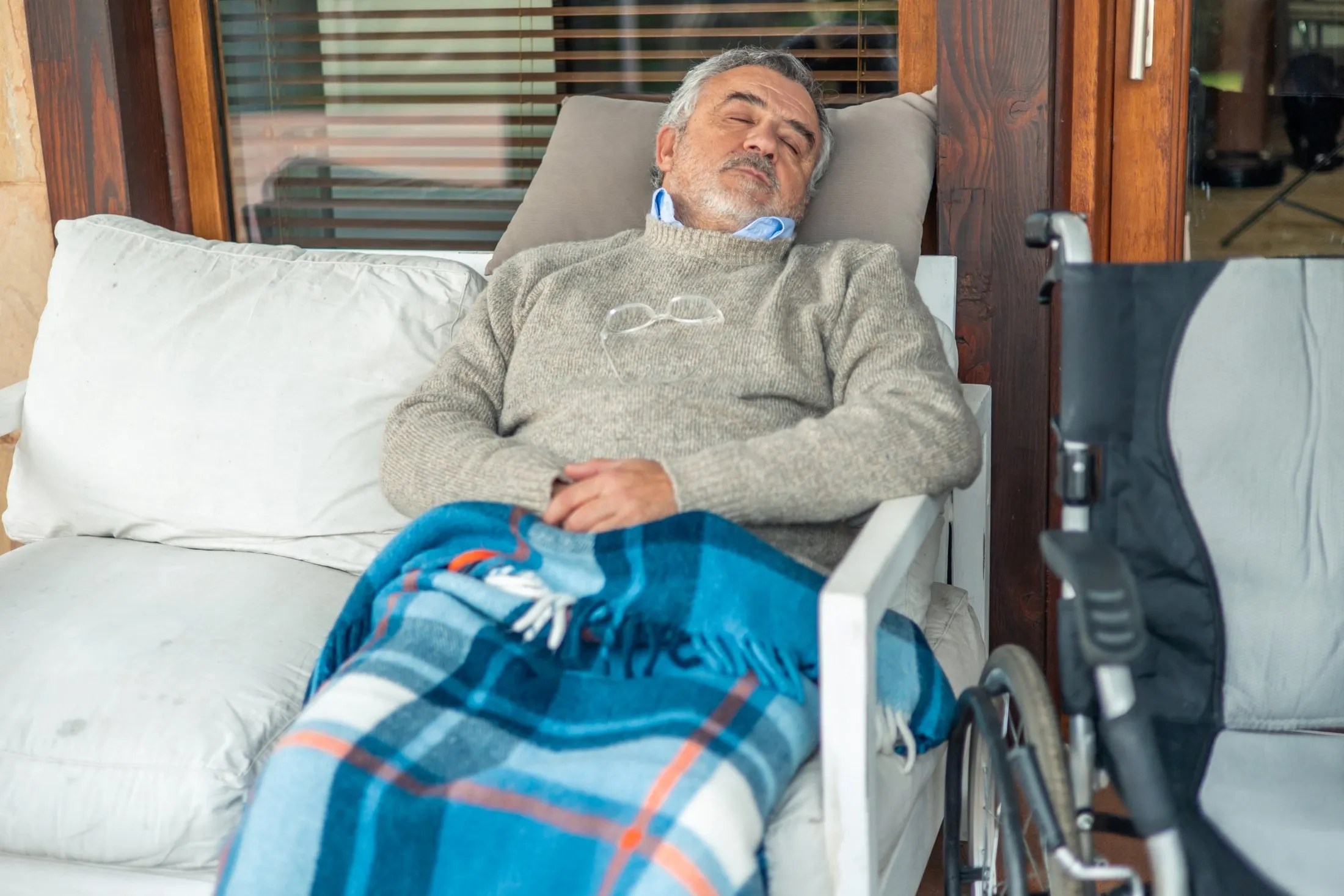
Winter does not make surgery better. It just makes recovery easier to live with, and so it is most preferred.
Rest Comes More Naturally
People mostly stay indoors during winter. There are very few reasons for going out. They have fewer events and fewer outdoor activities. The rest does not feel forced. It feels normal.
When patients rest properly, swelling settles better, and discomfort is easier to manage.
Schedules Are Often Lighter
Many people have breaks during winter. Students, working professionals, and even families tend to slow down. Taking time off feels more acceptable. So follow-up appointments fit more easily into the day.
This reduces stress, which is very important for the patient’s recovery.
Heat Is Not an Issue
Heat can feel uncomfortable during recovery. Sweating, sun exposure, and dehydration can add irritation. Winter solves that problem for most patients. The cooler environment usually feels calmer on the body.
All of these, when combined, make a difference in recovery.
Recovering During Winter: A Few Real Things to Remember
People often believe that winter recovery is perfect. No, it’s not. It has its own challenges, like:
- Staying warm is good, but too much heat near the face is not.
- Sitting right next to heaters or using very hot compresses can increase discomfort. So it is necessary to maintain balance.
- People also forget to drink enough water in winter. This is very common. Even if people don’t feel thirsty, it is important to maintain hydration.
- Food is another factor. Warm, soft foods usually feel comforting. But hot food is not the same as warm. Too much heat can irritate healing areas, affecting recovery.
- Indoor air can often get very dry. This can add to discomfort. A humidifier, or simply being aware of dryness, can help a lot.
And of course, every surgeon gives specific post-operative instructions for a reason. These always matter more than seasonal tips.
Oral Surgeries Often Planned in Winter
Some procedures naturally fit winter schedules better, including:
- Wisdom tooth removal is commonly planned during school or college breaks.
- Dental implant procedures, including preparatory steps such as bone grafting or sinus lifts, are also often scheduled in winter to allow adequate healing time.
- Corrective jaw surgery, which usually requires a longer recovery, aligns well with the season’s slower pace. Patients have more time to rest without feeling rushed back into daily life.
Because most of these procedures often require focused rest and careful recovery, winter is a perfect time and offers a better healing period.
When Winter Might Not Be the Best Choice?
Winter is not ideal for everyone. Some patients experience seasonal health concerns, and severe weather can make travel more difficult in certain areas. These factors should be considered when planning surgery.
This does not mean winter surgery is not possible. It simply means timing should be discussed rather than assumed.
There is no fixed rule for choosing the right season for oral surgery.
How Timing Is Decided?
Oral surgeons help patients decide on timing based on the procedure, expected recovery length, and the patient’s routine. Some patients may require more downtime, while others recover more quickly.
Discussing work, school, family responsibilities, and overall health helps create a realistic plan. Thoughtful planning can reduce anxiety before surgery and lessen pressure during recovery.
Preparing for Winter Surgery
Preparation in advance for winter surgery is helpful. Home preparations may include planning transportation and setting up a comfortable recovery space before the procedure.
It is also important to take recovery seriously, even when symptoms begin to improve. Following post-operative instructions closely supports smoother healing.
Planning Oral Surgery with the Season in Mind
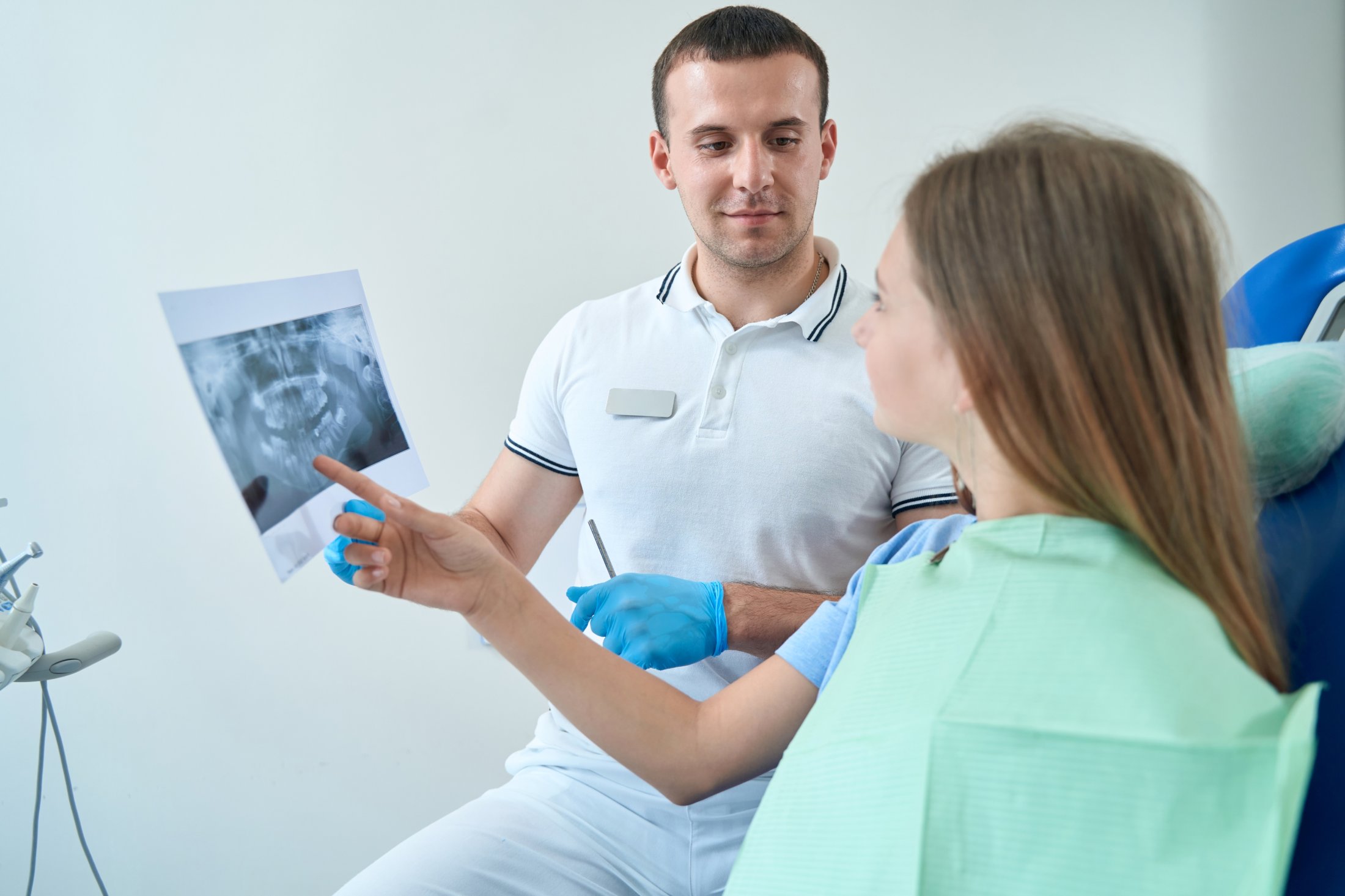
Winter works well for many oral surgery patients because it often supports rest more naturally. Slower days, fewer daily demands, and cooler weather can make recovery feel easier and more manageable.
There is no perfect season for oral surgery. The right timing depends on the individual. A consultation allows patients to discuss oral surgery timing and move forward, feeling clear and prepared.
Schedule a consultation with our team at Premier Oral and Maxillofacial Surgery Group to develop a better plan for your winter surgery.
Comments are closed.