
Orthognathic Surgery: How Jaw Realignment Can Change Your Life
We meet many people who quietly shape their routines around an uncooperative jaw. Some chew only on one side because their bite feels uneven. Others avoid certain foods because eating takes more effort than it should. Many breathe through their mouths at night without realizing how much energy it drains. Some smile softly, not out of shyness, but because something about their jaw doesn’t feel aligned.
Orthognathic surgery was created for these everyday struggles that often go unspoken. It is a type of jaw realignment surgery that repositions the upper or lower jaw, so it functions the way it was meant to.
In this blog, we cover what orthognathic surgery is, when we recommend it, how the process works, and how it can restore long-term balance, comfort, and confidence.
What Is Orthognathic Surgery?
Orthognathic surgery is a corrective jaw procedure that moves the upper and lower jaws, or both, into a healthier, more natural position. When the jaws don’t meet properly, everyday tasks like chewing, speaking, and breathing become more difficult than they should be. We often describe the procedure as helping the jaw and teeth meet in a balanced way again, so that everything can function smoothly.
Even small misalignments put extra pressure on the jaw muscles. This affects how someone talks, how they close their lips, or how tired their jaw feels by day’s end. Braces alone aren’t enough when the jaw structure is off, which is why orthodontists and surgeons work together on these cases. We plan every step clearly from start to finish.
When Is Jaw Realignment Recommended?
We recommend jaw realignment surgery when the jaw position creates challenges that braces alone cannot resolve. These often include underbites, overbites, open bites, and crossbites, conditions that affect how the upper and lower teeth fit together and how the supporting muscles function.
Breathing can also be influenced by jaw position. A jaw that sits too far back can narrow the airway, especially during sleep. We often meet patients who have struggled to chew tougher foods or deal with jaw soreness that never fully disappears. The facial imbalance can also be a sign, as one side may look different because the jaw isn’t centered.
For someone who’s spent years avoiding foods that require a strong bite, jaw realignment can feel like regaining something they didn’t realize they had lost.
How Orthognathic Surgery Works: Step-by-Step Overview
The procedure begins well before the surgery day. To understand exactly where the jaw is positioned and how it needs to move, we start with digital planning and detailed imaging. Pre-surgical orthodontics is often necessary to realign the teeth before jaw correction.
During the surgery, we carefully reposition the jawbones. As the new structure heals, small plates and screws keep it stable. To keep you safe and comfortable, every step is carried out under anesthesia in a controlled surgical environment.
Healing begins as soon as the bones settle into the position. Your jaw adapts to its new position over a period of a few months, leading to a stable, organic bite.
The Life-Changing Benefits of Jaw Realignment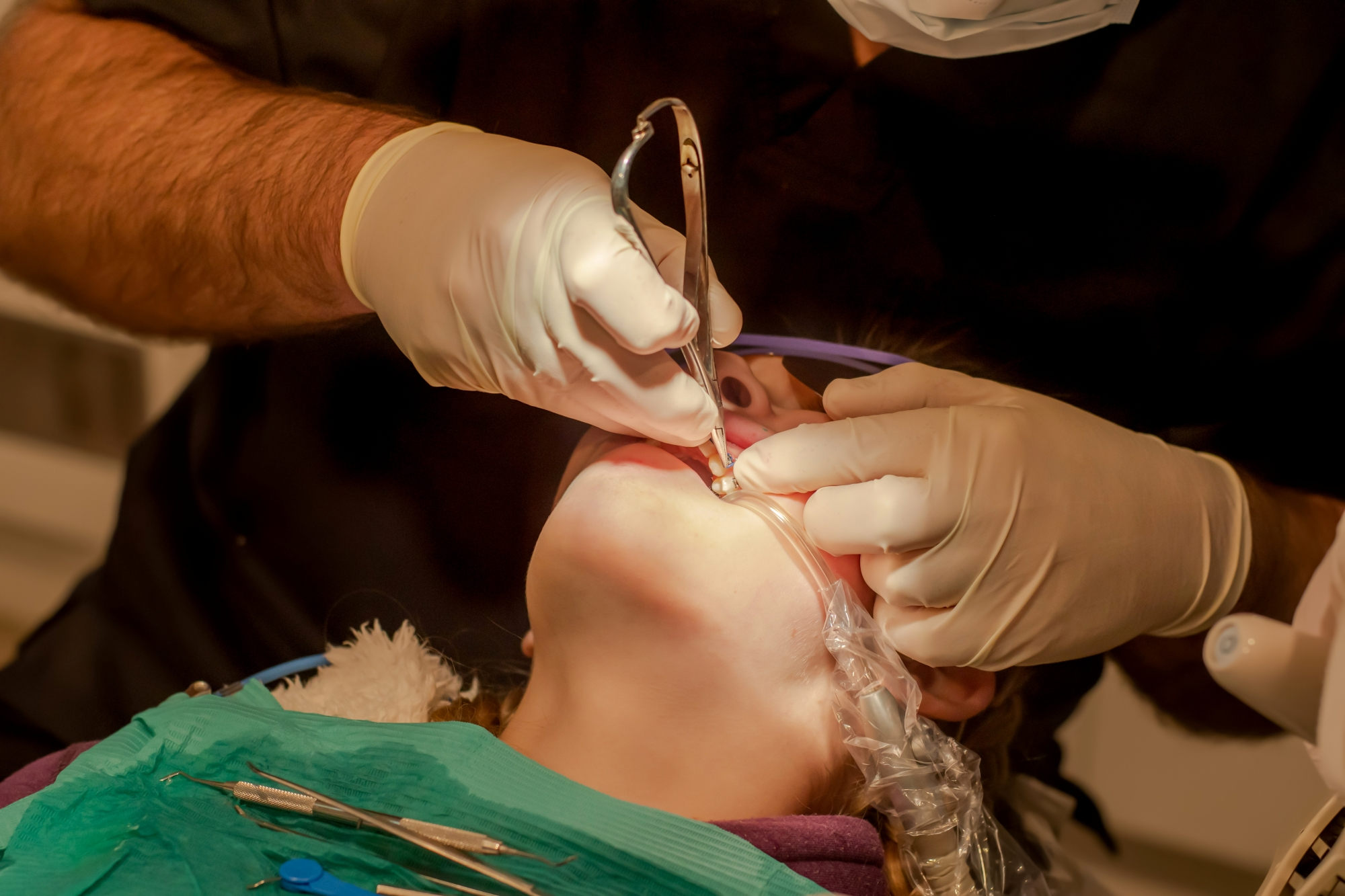
The changes we witness after jaw realignment extend far beyond appearance. Many people tell us that chewing finally feels normal. Jaw tension eases, and headaches caused by strain begin to disappear. These practical improvements bring a sense of ease to daily routines.
The breathing improvements can be just as meaningful. For many who struggle with airway issues, a more open airway leads to deeper, more restful sleep and better energy throughout the day. These changes may feel small at first, but they build up in powerful ways.
The aesthetic changes can be striking, too. The balanced jaws bring harmony to the face and create a natural smile and profile. Even the ability to close the lips gently without effort becomes a quiet, meaningful change.
Recovery and What to Expect After Surgery
Recovery varies from person to person, but the overall process follows a predictable, supportive path. Swelling is expected and gradually decreases over the first few weeks, while bone healing continues for several months. Many people may return to their routines sooner than they anticipate.
The diet changes happen in stages; start with liquids, move to soft foods, and eventually transition back to regular eating as the jaw grows stronger. Our follow-up visits help make sure everything is healing in the right direction, and you feel supported along the way.
We guide you through the entire recovery process and structure so you never feel uncertain about what comes next.
Who Is a Good Candidate for Orthognathic Surgery?
Not everyone who is having bite issues or jaw discomfort may need a proper surgery. But some conditions may require you to undergo orthognathic surgery.
- If your jaw position can’t be corrected with braces.
- You have significant bite issues, such as an underbite, overbite, open bite, or crossbite.
- You have airway concerns or functional limits that affect their daily life.
- You have a facial imbalance caused by the jaw structure itself.
We confirm the candidacy through imaging, clinical evaluation, and an understanding of your goals. This is to ensure that the treatment plan aligns with your needs.
Choosing a Surgeon: Why Expertise Matters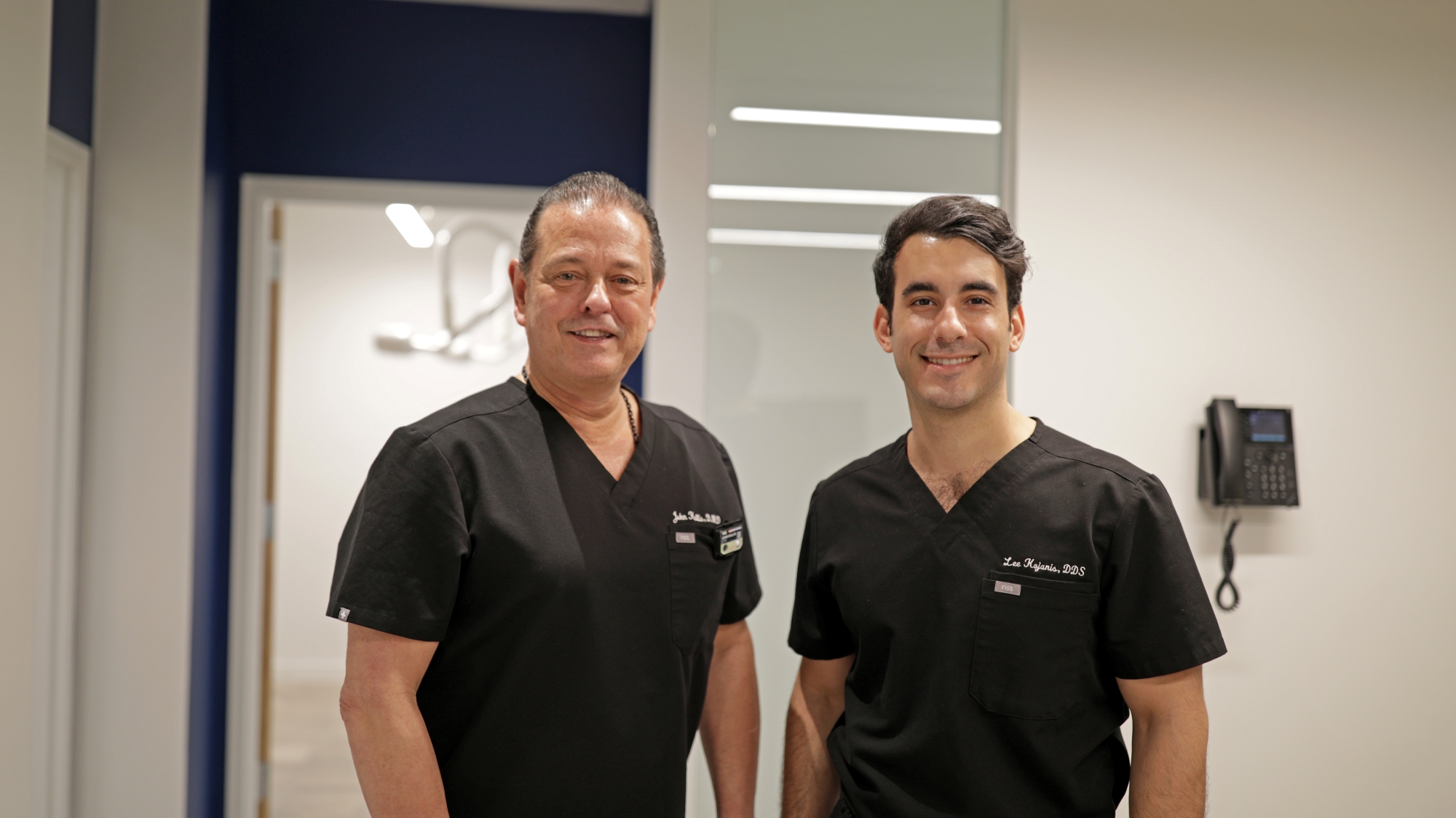
Corrective jaw surgery requires advanced training and detailed planning. A board-certified oral and maxillofacial surgeon brings the knowledge needed to manage both the functional and aesthetic aspects of jaw realignment. Tools such as 3D planning and coordinated care with orthodontists help create predictable results.
Then, choosing a skilled surgeon shapes comfort, stability, and long-term success, which is why expertise matters so much.
A Path Toward Comfort, Confidence, and Balance
Orthognathic surgery gives you a life where your jaw finally works in a way that feels natural. Better chewing, smoother breathing, and balanced facial features all contribute to long-term comfort and confidence. After years of adjusting to misalignment, many patients feel a sense of release.
So if you have been dealing with jaw-related challenges, book a consultation with our oral surgeons and take steps towards jaw realignment today.
Comments are closed.