
Pediatric Oral Surgery: When Children May Need Specialized Care
There are usually a few moments that catch a parent off guard, such as a tooth that never comes in, swelling that settles down, and then returns. That is often where questions begin around pediatric oral surgery.
Most children do very well with routine dental care. Cleanings, fillings, and regular monitoring for most needs. However, some situations fall outside what can be managed with observation alone. That does not mean something is wrong. It simply means a closer, more specialized look may help.
In such cases, a consultation helps understand what is happening, what might happen next, and whether anything needs to be done now, later, or not at all. In the sections ahead, we discuss when specialized care may be recommended, what common concerns look like in children and teens, and how to approach planning, comfort, and communication at every step.
What Pediatric Oral Surgery Means for Children and Families
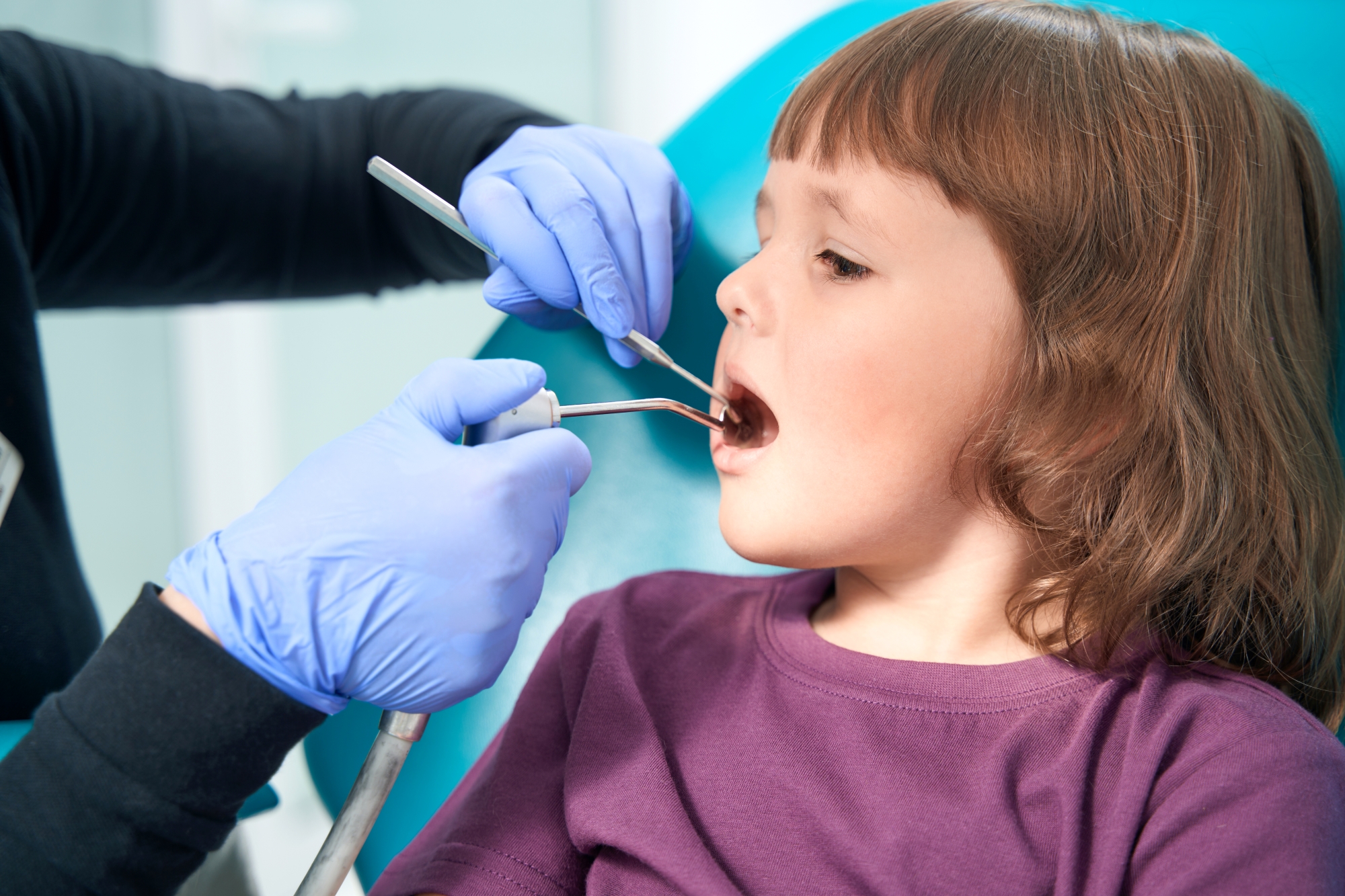
When people hear the term pediatric oral surgery, it can sound overwhelming. In reality, it refers to a focused area of care involving the teeth, jaws, and surrounding structures when a surgical approach may be needed.
For children and teens, this most often involves teeth that need removal, teeth that are unable to erupt properly, or concerns related to wisdom teeth as they develop. These are not unusual situations. They simply require a different level of planning and precision.
Our procedures are centered around the care children actually need. This includes tooth extractions, wisdom teeth removal, and exposure of impacted teeth. Our advanced 3D imaging helps us see what is happening beneath the surface. Specialized care also means thinking beyond the immediate concern. It is not just about solving a problem. It is about planning the right path forward.
Signs a Child May Need a Surgical Evaluation Instead of Routine Monitoring
Sometimes the difference between routine care and a surgical evaluation is subtle. Other times, it becomes clearer over time.
A permanent tooth that does not appear when expected is one of the most common reasons. In some cases, the tooth is present but cannot move into place. This is what we call an impacted tooth, which might need treatment. Simply put, it is a tooth that is stuck and unable to erupt into function. After wisdom teeth, the upper canine is one of the most frequently impacted teeth.
There are other situations that can point toward a need for evaluation, such as:
- A tooth that looks trapped or blocked.
- Swelling that returns in the same area.
- A tooth that is too damaged to be restored.
- Orthodontic concerns where a tooth is not aligning as expected.
None of these automatically means surgery is required. What they do mean is that a closer look can help determine whether the situation should be monitored, coordinated with orthodontic care, or addressed surgically. Timing matters here. Early evaluation often leads to simpler and more predictable planning.
Common Reasons Children and Teens May Be Referred for Surgical Care
Some referrals come with urgency, while others are simply about understanding what lies ahead. In both cases, the goal is the same: clear answers and thoughtful planning.
Child Tooth Extraction: When a Tooth Needs To Be Removed
A child tooth extraction may be recommended when a tooth cannot be preserved or is affecting surrounding development. Sometimes the tooth is severely damaged. Sometimes it interferes with the path of another tooth. In other cases, it may be contributing to infection or discomfort.
Not every extraction is the same. Some are straightforward, while others require a more surgical approach depending on the tooth’s position and condition. That is why we take time to evaluate each case individually, often using imaging and careful examination before deciding on the right approach.
Impacted Teeth and Orthodontic-Surgical Coordination
In some cases, the tooth is present but needs help erupting into the correct position. This is where exposure of impacted teeth becomes part of the conversation. Instead of removing the tooth, the goal is often to guide it into place.
This type of care is frequently coordinated with orthodontic treatment. Planning becomes collaborative, with each step designed to support long-term alignment and function.
Oral Surgery for Teens Often Involves Wisdom Teeth Evaluation
Oral surgery for teens typically happens during the years when wisdom teeth begin to develop. Not every teen needs them removed right away. In fact, many cases are monitored over time.
What matters is understanding position, growth, and potential impact on surrounding teeth. When needed, treatment may include procedures such as wisdom tooth removal. At Premier Oral and Maxillofacial Surgery Group, we combine patient-centred care with surgical expertise to offer a seamless experience.
Why Specialized Care Matters More with Children
Children and teens are still growing, and that affects how we approach care.
Tooth position is not always obvious without imaging. Growth patterns influence how and when a tooth should be treated. Orthodontic plans often need to align with surgical timing. These are not decisions made in isolation. Specialized evaluation helps families understand the bigger picture. Whether treatment is needed now, later, or not at all, the goal is to make informed decisions with confidence.
Guidelines from organizations such as the American Academy of Pediatric Dentistry emphasize that timing, growth, and coordination are very important in these cases. Just as important is reassurance. Families should feel supported throughout the process. Questions should be answered clearly. Expectations should be easy to understand.
How Premier Oral Evaluates and Plans Care for Children and Teens
Every evaluation begins with a conversation. We listen first. As symptoms, concerns, and history all matter.
From there, we examine and, when needed, use imaging to better understand what is happening. Advanced tools like 3D imaging allow us to plan with precision. They help us see beyond what is visible and avoid unnecessary guesswork.
Comfort is always part of the plan. We offer different anesthesia options based on the procedure and the patient’s needs. Our team is trained in IV sedation and advanced surgical care. Every step is designed to support safety, comfort, and clarity for both the patient and the family.
Getting Clear Answers Early Can Make the Next Step Easier

Not every dental concern leads to surgery. Many are simply monitored over time, but when something feels uncertain, early evaluation brings clarity. Situations like impacted teeth, certain extractions, or wisdom tooth development can benefit from specialized planning. Understanding the options makes everything feel more manageable.
At Premier Oral and Maxillofacial Surgery Group, care is built around precision, communication, and comfort. We combine surgical expertise with thoughtful planning, so families feel informed at every step.
If you have questions about your child’s symptoms or next steps, a consultation can help you understand what is happening and what, if anything, needs to be done next.
FAQs: Pediatric Oral Surgery, Extractions, and Teen Treatment Planning
How Do I Know If My Child Needs an Oral Surgeon?
Most care stays with a general dentist. But impacted teeth, certain extractions, or wisdom tooth concerns may benefit from a specialist’s evaluation. A referral is about clarity, not urgency.
Is Child Tooth Extraction Always a Complex Procedure?
Not always. Some extractions are simple. Others are more involved depending on the tooth’s position and condition. The approach is always explained clearly before treatment.
When Does Oral Surgery for Teens Usually Come Up?
It often comes up during the teenage years when wisdom teeth are developing or when orthodontic concerns involve impacted teeth.
Will My Child Need Sedation or Anesthesia?
It depends on the procedure and the patient’s comfort level. We offer several options and discuss them during planning.
Can an Impacted Tooth Be Helped Into Place?
In some cases, yes. Exposure of impacted teeth, often combined with orthodontic care, can help guide the tooth into position.
Comments are closed.