
Ridge Preservation: Protecting Your Jaw After a Tooth Extraction
People often think that healing starts and ends with the gums. The tooth comes out, bleeding slows down, soreness fades little by little, and eventually the area just closes. Everything gets better. So it is common for people to assume that inner healing happens the same way, but the jawbone does not always stay unchanged after a tooth extraction.
Once the tooth root is gone, the surrounding bone no longer receives the same stimulation from everyday chewing and biting. Over time, the area can gradually lose some of its natural shape and volume. It does not happen overnight or dramatically. That is where ridge preservation may come in.
In this blog, we walk you through when and why you may need ridge preservation surgery, how the process is carried out, and what we, as surgeons, do to improve your experience.
What Ridge Preservation Actually Means?
The term itself sounds quite complicated. Ridge preservation is done after a tooth extraction to help maintain the natural shape and structure of the jawbone where the tooth once sat. The ridge is simply the section of bone that holds the tooth root in place.
After tooth extraction, the body naturally begins remodeling the area as part of the healing process. That process is completely normal. However, during healing, the bone can also shrink in height or width over time. This is why jawbone preservation is sometimes recommended, especially for patients who may want a dental implant later on. The goal is not to add treatment unnecessarily. It is to protect the foundation while the area heals.
Why Does Jaw Bone Loss Happen After Extraction?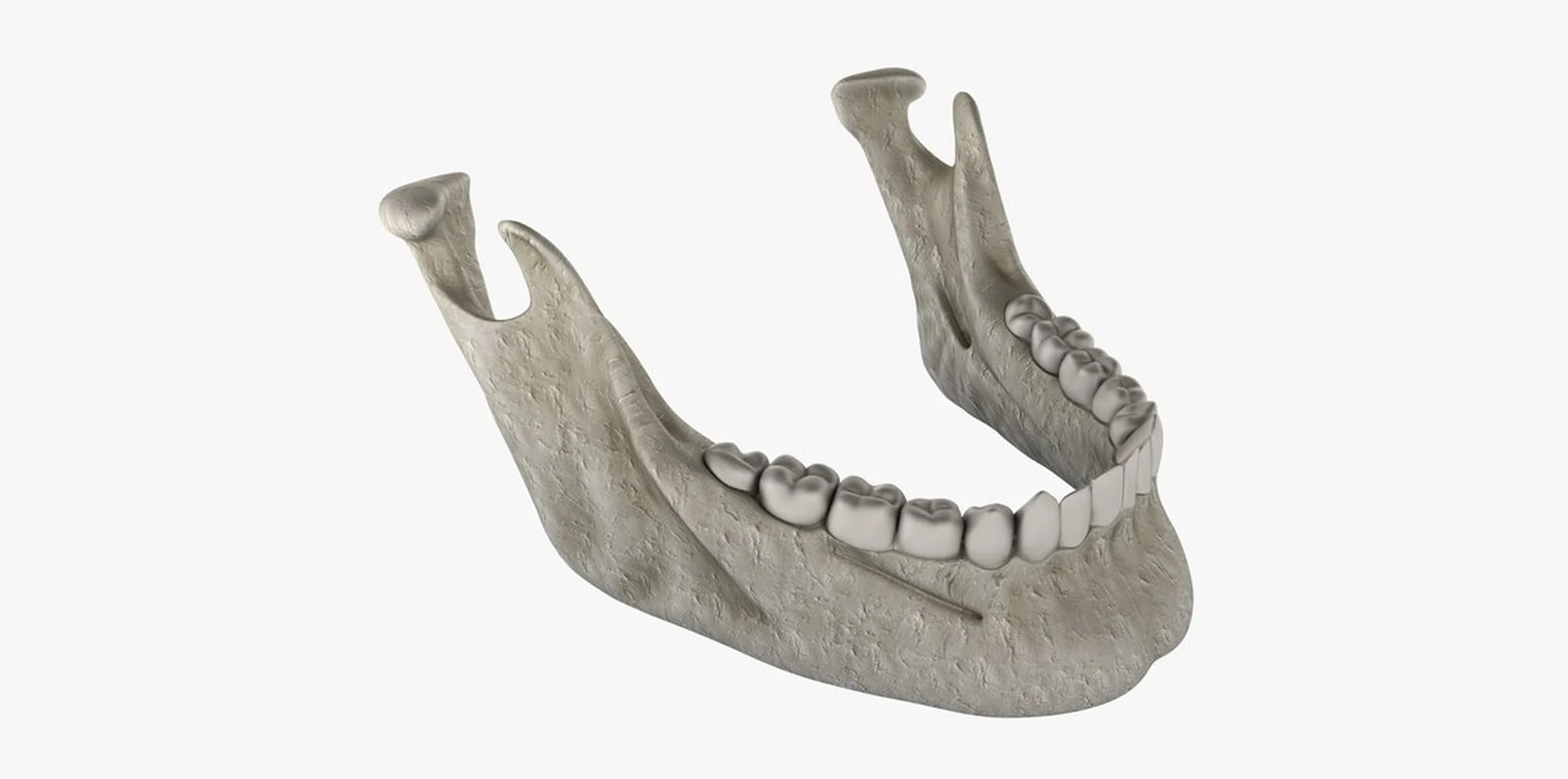
Patients are often surprised to hear that teeth help keep the jawbone active. Every time we chew, bite, or even clench slightly, the tooth root stimulates the surrounding bone. Once the tooth is removed, that stimulation changes. The body gradually recognizes the area that no longer requires the same level of support, so some of the bone begins to shrink.
This is known as jawbone loss, and it is a very common part of the healing process after extraction. Sometimes the changes are minor. In other cases, the ridge becomes narrower or flatter over time. Bone changes can also be affected by infection, gum disease, trauma, or long-term tooth damage.
While jawbone loss is quite common, it can also affect future implant placement if the area loses too much support. This is usually why oral surgeons bring up preservation early rather than waiting until later.
What Does A Socket Preservation Graft Do?
A socket preservation graft is placed into the empty socket after the tooth is removed. The socket is simply the space left behind where the root used to sit.
The graft material supports the area while the deeper healing process takes place beneath the gums. This is where most patients are often confused. A socket preservation graft refers to the graft material itself. Ridge preservation, on the other hand, refers to the overall maintenance of the jaw ridge after extraction.
In many cases, bone grafting helps reduce how much the bone shrinks while the site heals. It may also help preserve the area for future implant planning in case it becomes part of the treatment later on.
When Ridge Preservation May Be Recommended?
We want you to know that not every extraction needs grafting. Experienced oral surgeons do not approach ridge preservation as an automatic step. At Premier Oral and Maxillofacial Surgery, our recommendation depends highly on the condition of the tooth, the surrounding bone, and the patient’s long-term goals.
A preview of alveolar ridge preservation surgery always helps. Ridge preservation may be considered only when:
- A dental implant may eventually replace the extracted tooth.
- Infection or bone damage already exists.
- Some kind of gum disease has weakened the area.
- Trauma has affected the surrounding structure.
- The tooth sits in a visible part of the smile where natural contours matter more.
Every extraction site heals differently. That is why careful evaluation matters before deciding whether grafting is actually necessary.
What Happens During The Procedure?
For many patients, uncertainty comes from simply not knowing what to expect. So we usually start the process with a consultation followed by imaging if needed. During extraction, the tooth is carefully removed to preserve as much healthy bone as possible.
If a socket preservation graft is recommended, the area is cleaned thoroughly first. Then the graft material is placed into the empty socket to help support healing. In some cases, the site may also be covered or protected while the gums heal over it.
The exact technique depends on several things, including the tooth location, bone condition, and whether future implants are being considered. Our team walks patients through each step carefully, so they understand what is being done and why. We believe patients deserve to understand exactly what is being done and why it matters for them.
What Recovery Looks Like?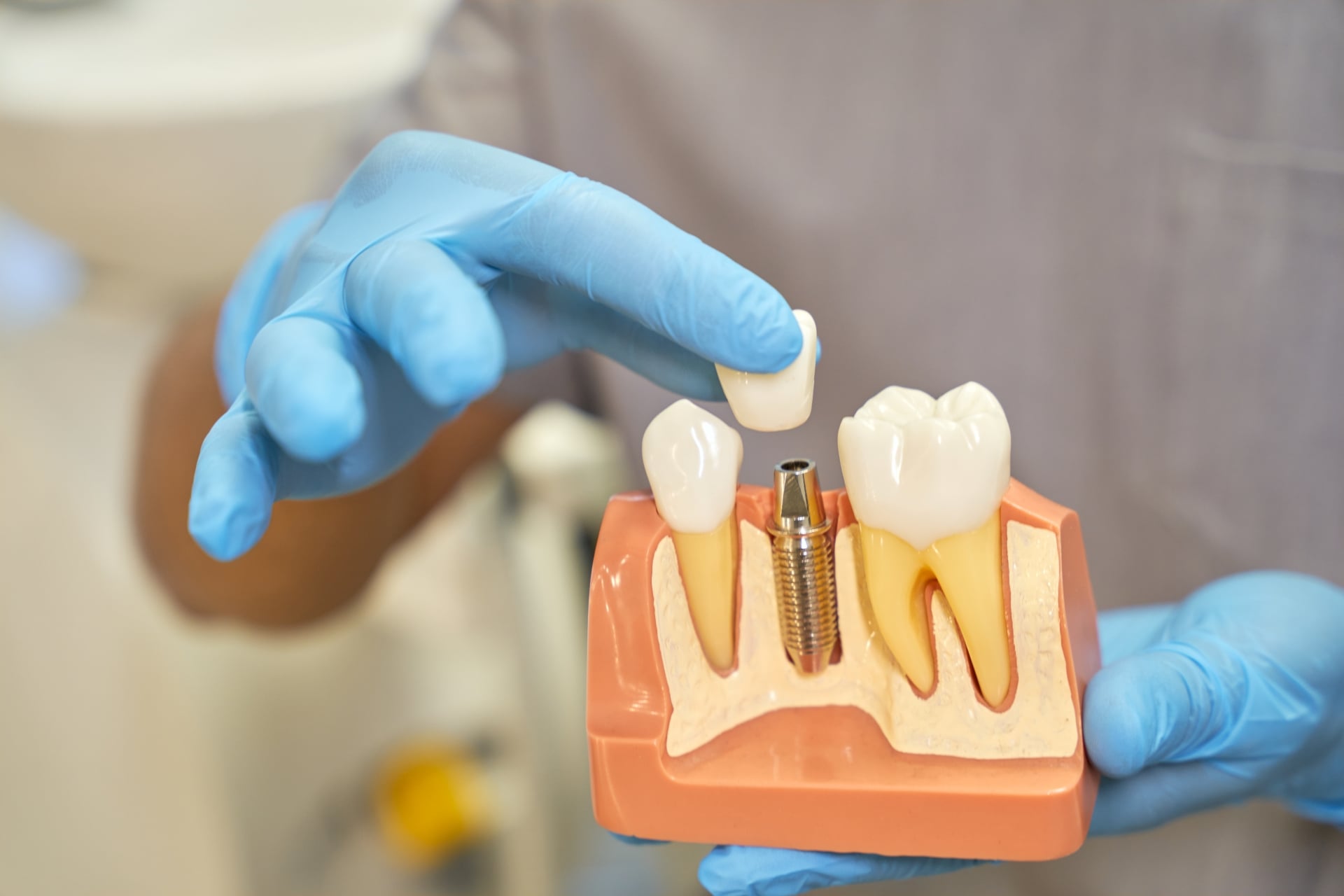
Recovery after a socket preservation graft is often similar to a regular extraction. Patients may notice some soreness, swelling, tenderness, or temporary diet changes for a few days.
Soft foods usually help at first. Patients are also asked to avoid smoking, avoid disturbing the surgical site, and follow oral hygiene instructions carefully while the area heals. One thing many patients do not realize is that the gums can look healed long before the deeper bone healing process is fully complete. Bone healing simply takes more time.
Protecting The Foundation Before The Next Step
Tooth extraction is sometimes only one part of the bigger picture. Once the root is gone, the jawbone underneath can slowly begin to change. Ridge preservation helps protect that foundation, and maintaining healthy bone may support future treatment plans.
At Premier Oral, every extraction site is evaluated individually before recommendations are made. Some patients may benefit from preservation procedures. Others may heal well without them.
Schedule a consultation with us to better understand your options, your bone health, and whether ridge preservation may be the right step for your smile.
Comments are closed.