
Understanding Ridge Preservation After Tooth Extraction
Most patients assume recovery wraps up once the soreness fades and the gum closes over. That is a reasonable assumption, and it is partially right. What it misses is what continues to happen inside the bone, quietly, long after the visible healing appears complete.
This blog covers what ridge preservation is, why bone changes after extraction, who the procedure is most relevant to, what healing involves, and when to have the conversation with an oral surgeon.
What Ridge Preservation Means After a Tooth Extraction
Ridge preservation is a bone grafting procedure performed at or near the time a tooth is removed. Its purpose is to prevent the socket from losing too much volume and shape as it heals. When a tooth comes out, the surrounding bone no longer receives the stimulation it needs and gradually begins to shrink.
The procedure supports that site’s shape and volume while healing takes place, making future tooth replacement options more predictable. It is often done at the same appointment as the extraction, depending on the site and the overall treatment plan.
Why Bone Changes Happen After an Extraction and Why That Matters Later
A tooth root does more than hold the tooth in place. Every time you chew, pressure travels through the root into the surrounding bone, keeping it dense and active. When the tooth is removed, that signal stops, and the body gradually resorbs the bone over the months that follow.
For jaw bone preservation and long-term restorative planning, this matters in practical ways. A socket that has lost significant height and width is harder to work with later and often requires more complex procedures to restore its dimensions. Preserving the site early keeps more treatment options genuinely on the table.
What a Socket Preservation Graft Is and What Patients Can Expect During the Procedure
A socket preservation graft involves placing grafting material directly into the empty socket right after extraction. That material fills the space, maintains the site’s shape, and gives the body a framework to grow new bone around rather than allowing the socket walls to collapse inward over time.
The specifics vary based on tooth location, bone condition, and individual anatomy. Patients can expect a personalized approach, not a one-size-fits-all protocol. At Premier Oral and Maxillofacial Surgery Group, our team walks through exactly what was done and what recovery involves before you leave the office.
Who Benefits Most From Ridge Preservation
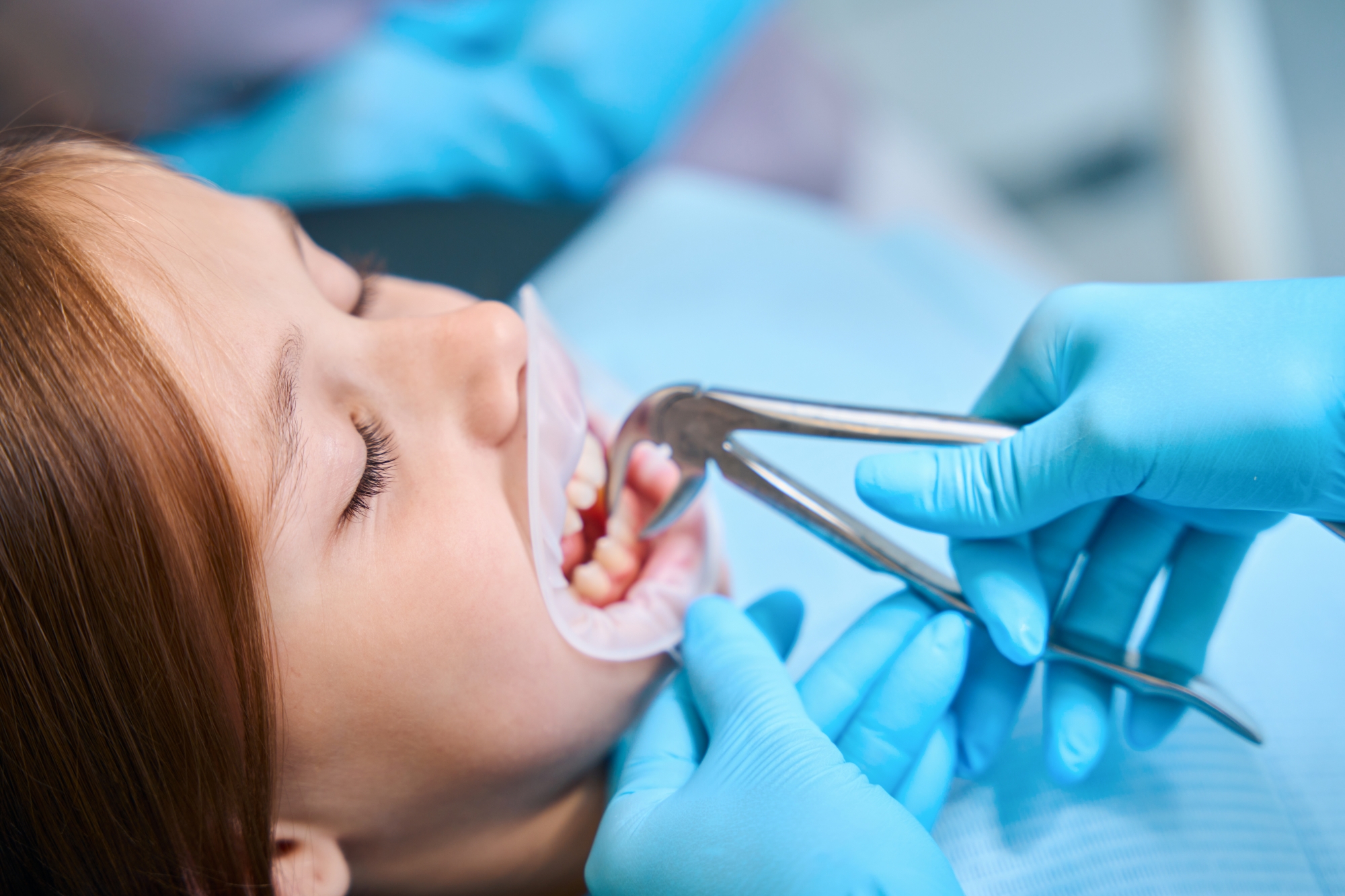
Candidacy depends on the condition of the extraction site, the surrounding bone, and the patient’s long-term goals. The procedure is most relevant for patients considering future tooth replacement or who want to preserve options while deciding. Not every extraction calls for it.
At Premier Oral and Maxillofacial Surgery Group, advanced 3D imaging allows the team to assess bone volume and socket condition with real precision before making any recommendations. The goal is always to support future care, not to add a step that the situation does not genuinely require.
Healing After Ridge Preservation: What Recovery May Look Like
Recovery runs on two timelines at once. Gum tissue closes relatively quickly over the grafted site. Bone integration takes considerably longer, typically several months, continuing beneath the surface well after the outside looks healed.
Following post-operative instructions closely makes the most meaningful difference in how well the site develops. That covers keeping the area clean without disturbing the graft, dietary adjustments in the early days, and activity guidance specific to your case. Follow-up visits allow the surgical team to confirm that things are progressing correctly and address concerns before they worsen.
Common Questions and Concerns About Grafting, Healing, and Safety
Wondering whether the extra step is truly necessary, what the graft material involves, and how the body responds over time is completely reasonable. Ridge preservation is not added routinely to every extraction. It is recommended when clinical findings indicate it will genuinely support better long-term outcomes.
Patients are always encouraged to ask what the specific goal is for their situation before moving forward. Follow-up visits are built into the process specifically to allow the team to monitor integration and answer questions as they arise.
When To Discuss Ridge Preservation With an Oral Surgeon
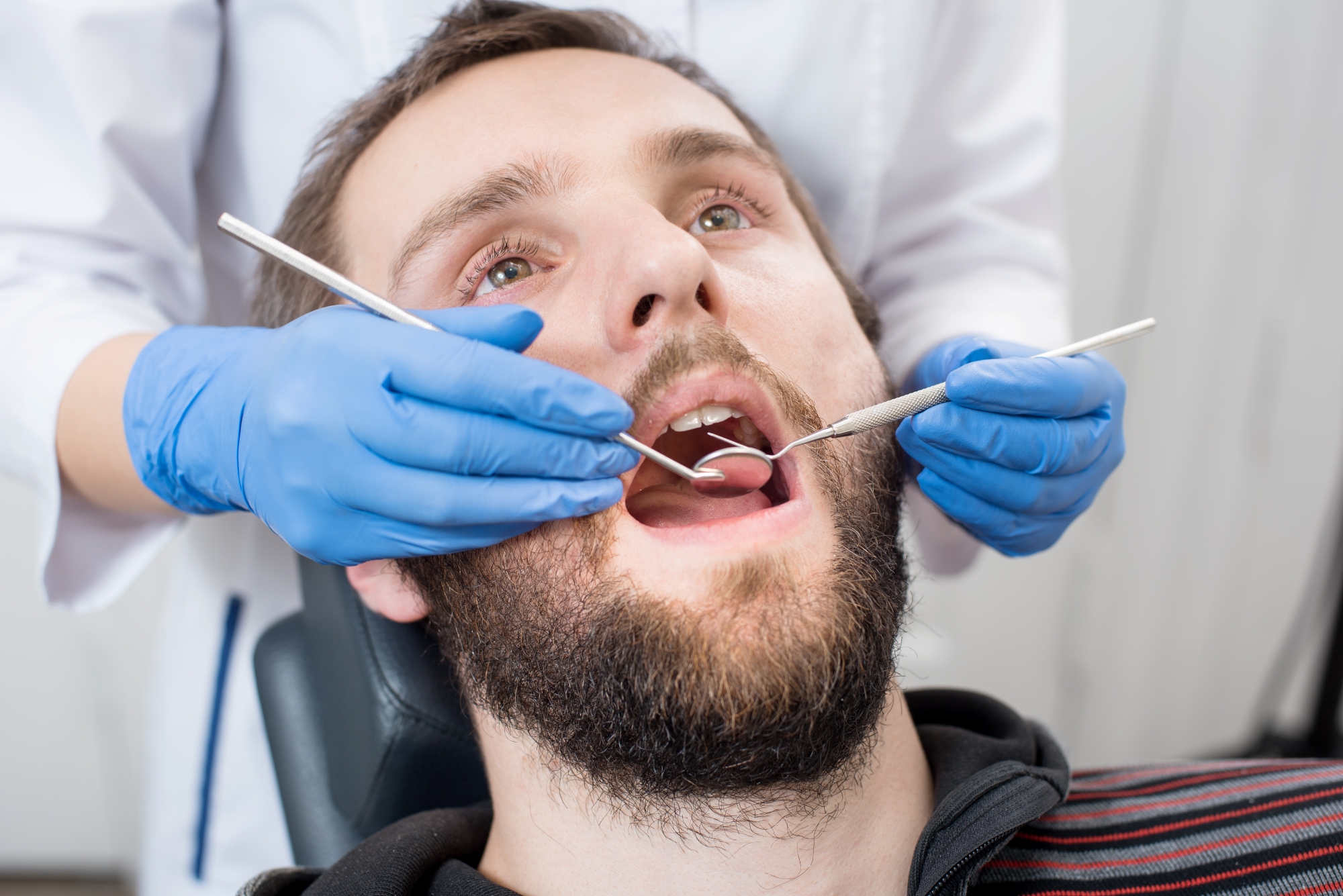
The best time to have this conversation is before or during extraction planning, not after the tooth is already gone. Once bone loss has progressed, addressing it becomes more complex than preserving the site would have been in the first place.
Before or during that consultation, a few questions are worth raising:
- Is preservation recommended for this specific tooth site?
- What is the goal in my case?
- How does this affect the timing of future treatment?
- What should I expect during healing?
Discussing future goals, whether that is an implant, a bridge, a partial denture, or simply maintaining the area, helps the surgeon recommend the right approach from the start. Early planning consistently leads to clearer, less stressful decisions down the line.
Frequently Asked Questions
Is ridge preservation necessary after every tooth extraction?
No. Ridge preservation is not recommended for every extraction site. Whether it makes sense depends on factors such as the condition of the surrounding bone, the tooth’s location, and your long-term treatment goals.
Is ridge preservation painful?
Patients can expect some soreness and post-procedure sensitivity, much like with other oral surgery procedures, but the pain is typically manageable with the post-op instructions and medications provided by the surgical team. Recovery experiences vary by site and the complexity of the extraction.
When should I ask my oral surgeon about ridge preservation?
The best time is before the tooth is removed or during extraction planning. Early evaluation gives your oral surgeon the clearest chance to determine whether preserving the site may support easier and more predictable treatment later
Planning for Healing Now Can Protect Future Treatment Options

Extraction care is not only about removing the tooth. It is also about planning for what comes next. Preserving the socket site may be a genuinely helpful step for eligible patients, and that determination is based on the surgeon’s evaluation of the specific site and your long-term goals. Asking about ridge preservation before the extraction, rather than after, is almost always the best starting point.
Schedule a consultation with Premier Oral and Maxillofacial Surgery Group to discuss your extraction site, healing plan, and whether ridge preservation may be recommended for your future treatment goals.
Comments are closed.