
Single Tooth Implant vs Bridge: Which Option Preserves Your Jaw Bone Better
Losing one tooth may feel minor at first. Over time, however, it can affect the jawbone and overall oral stability. Many patients initially feel unsure about whether replacing a single missing tooth is necessary, which is understandable.
Tooth loss affects more than appearance. Over time, however, it can affect the jawbone and overall oral stability. That’s why replacing even a single missing tooth is important.
Knowing your options usually makes the decision easier. It can gradually influence bite balance, bone health, and surrounding teeth. Because these changes happen slowly, they often go unnoticed in the early stages.
In this blog, we cover how each option works and which one better supports long-term jaw health. It outlines the differences clearly so patients can feel informed when discussing treatment choices.
What Happens to the Jaw Bone After Tooth Loss?
A natural tooth’s root is firmly anchored in the jawbone. Each time a person chews, gentle pressure is applied to the surrounding jawbone. That pressure is important for maintaining bone strength and density, keeping the bone active and healthy.
When a tooth is lost, that stimulation stops, and the bone begins to resorb. This process usually happens gradually. Because the bone is no longer used, the body gradually lets it go. This natural process is called bone resorption. With proper evaluation and guidance, there are effective ways to manage or limit this loss.
Bone resorption is not painful, which is why many patients are unaware of the shift happening beneath the surface. These shifts often go unnoticed at first. Over months or years, the bone beneath that missing tooth can become thinner, weaker, and more difficult to restore.
Early evaluation helps preserve more treatment options, which is why timely consultation can be helpful. This affects bite stability and future treatment options.
Overview of Treatment Options for a Single Missing Tooth
When a patient presents with one missing tooth, they’re usually recommended for dental implant surgery. Here, the patients have two choices:
- A dental bridge, which is supported by adjacent teeth.
- A single tooth implant, which replaces both root and crown.
Both options aim to restore function and appearance. The smile appears complete again, and the chewing function improved. Visually, the two solutions can look very similar.
The key difference lies below the gum line, where they affect the jawbone. That’s where the real difference shows.
How a Dental Bridge Works?
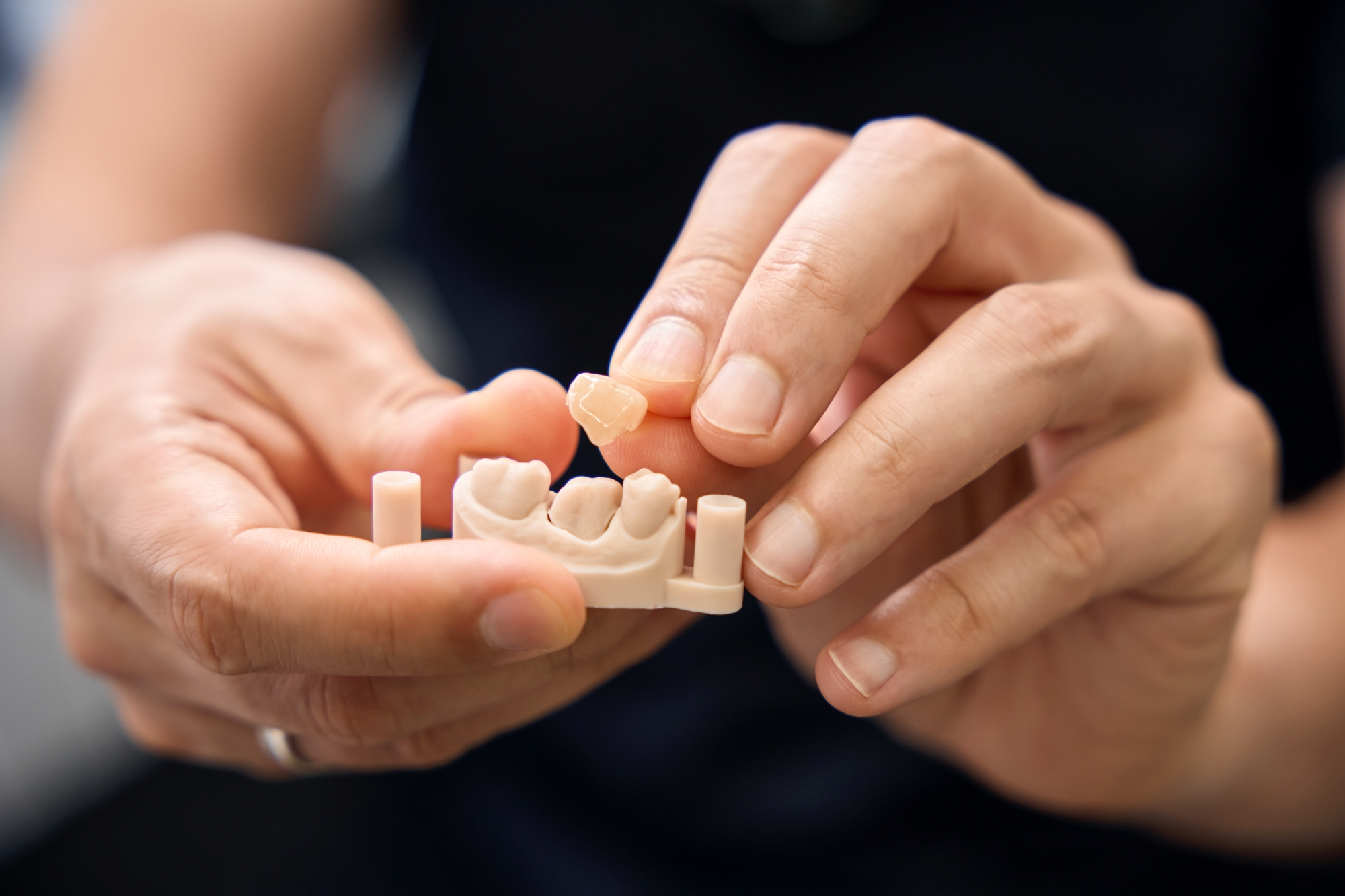
A dental bridge procedure is used replace a missing tooth by using the adjacent teeth for support. The teeth on either side of the gap are reshaped so they can anchor a crown that fills the gap.
A bridge restores the visible portion of the missing tooth. The gap is filled, and the bite function improves. However, the bone beneath the missing tooth remains unstimulated. Over time, that bone may continue to shrink.
Another important consideration involves the surrounding teeth. The neighboring teeth must carry additional load to support the bridge. Teeth that were previously healthy now absorb extra pressure, which can affect the bone and nearby teeth over time. In simple terms, a bridge restores the visible tooth but not the root.
How a Single Tooth Implant Works?
A dental implant is placed directly into the jawbone, where it functions as an artificial tooth root. Over time, the bone grows around it and bonds with it. The process is called osseointegration.
That stimulation helps prevent bone shrinking. Chewing transfers pressure through the implant into the jawbone, similar to how a natural tooth root functions. That pressure keeps the bone active and stable.
Once healing is complete, a crown is placed over the implant. Chewing feels balanced, and the implant functions independently. Adjacent teeth do not need to compensate. That’s why implants are often seen as closest to a natural tooth.
Jaw Bone Preservation: Implant vs Bridge
A common question is which option protects the jawbone. A direct comparison helps clarify the difference.
A dental bridge does not prevent bone loss beneath the missing tooth. The bone continues to resorb because it’s no longer being used.
A single tooth implant helps preserve bone by restoring root-level stimulation. The bone remains engaged, supported, and maintained.
Jawbone preservation plays an important role in the long-term effect on jaw structure and facial support. Bone loss can influence facial structure, bite alignment, and future dental treatment. It’s usually easier to preserve bone than rebuild it later
Impact on Surrounding Teeth and Bite Stability
The comparison goes beyond bone preservation. A dental bridge depends on adjacent teeth for support. These teeth are reshaped and expected to carry additional load. Over time, that added stress may affect both the supporting teeth and the surrounding bone.
A single tooth implant does not rely on neighboring teeth. It functions independently, leaving natural teeth untouched. Bite forces are distributed more evenly across the jaw.
Preserving healthy teeth without modification supports long-term stability.
Longevity and Long-Term Maintenance Considerations
Both options require ongoing care, but their long-term performance can differ.
Bridges may need to be replaced over time, particularly if the supporting teeth change. Implants, when properly planned and properly maintained, are designed for long-term stability.
Jawbone Health plays a foundational role in long-term success. A strong, healthy jawbone provides essential support for lasting results. That durability depends on careful planning and consistent care.
When a Bridge May Still Be Appropriate!
There are situations in which a bridge may be a more appropriate option. These may include medical conditions, bone limitations, or timing considerations.
In some cases, additional procedures such as bone grafting or staged treatment planning are needed beforehand.
This does not make a bridge an unsuitable option. It simply means that the treatment needs to be individualized based on clinical findings and long-term goals.
How Oral Surgeons Help Patients Choose the Right Option?
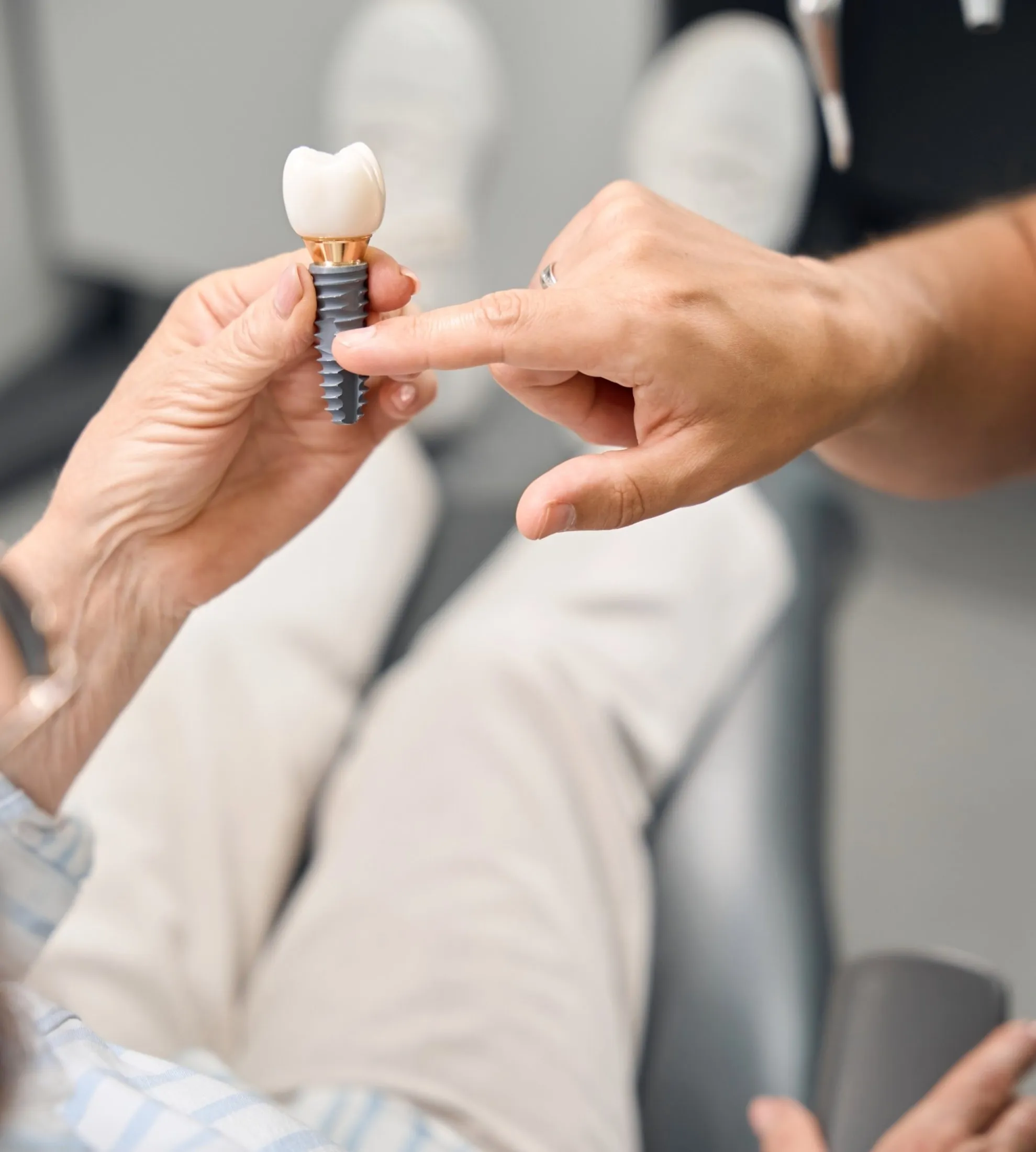
As oral surgeons, we evaluate bone volume and health using 3D imaging. As part of the evaluation process, we also discuss long-term goals and oral health priorities. Each treatment option is carefully reviewed for its benefits and limitations.
At Premier, these discussions are considered an integral part of patient-centered care. We focus on educating patients about the procedure before performing it. This helps as patients feel informed and confident.
Being transparent with patients matters to us. We also offer personalized care to help each patient choose the right single tooth replacement.
Choosing a Solution That Supports Long-Term Jaw Health
Replacing one tooth involves more than filling a space. It also involves protecting the bone underneath. Jawbone preservation plays a key role in long-term oral health. Single-tooth implants better support the underlying bone.
So if you’re considering your options, schedule a consultation with our team. We can help you understand which option best fits your jaw, bite, and long-term health.
Comments are closed.