
The Role of Bone Grafting in Dental Implants: Why & How It’s Done
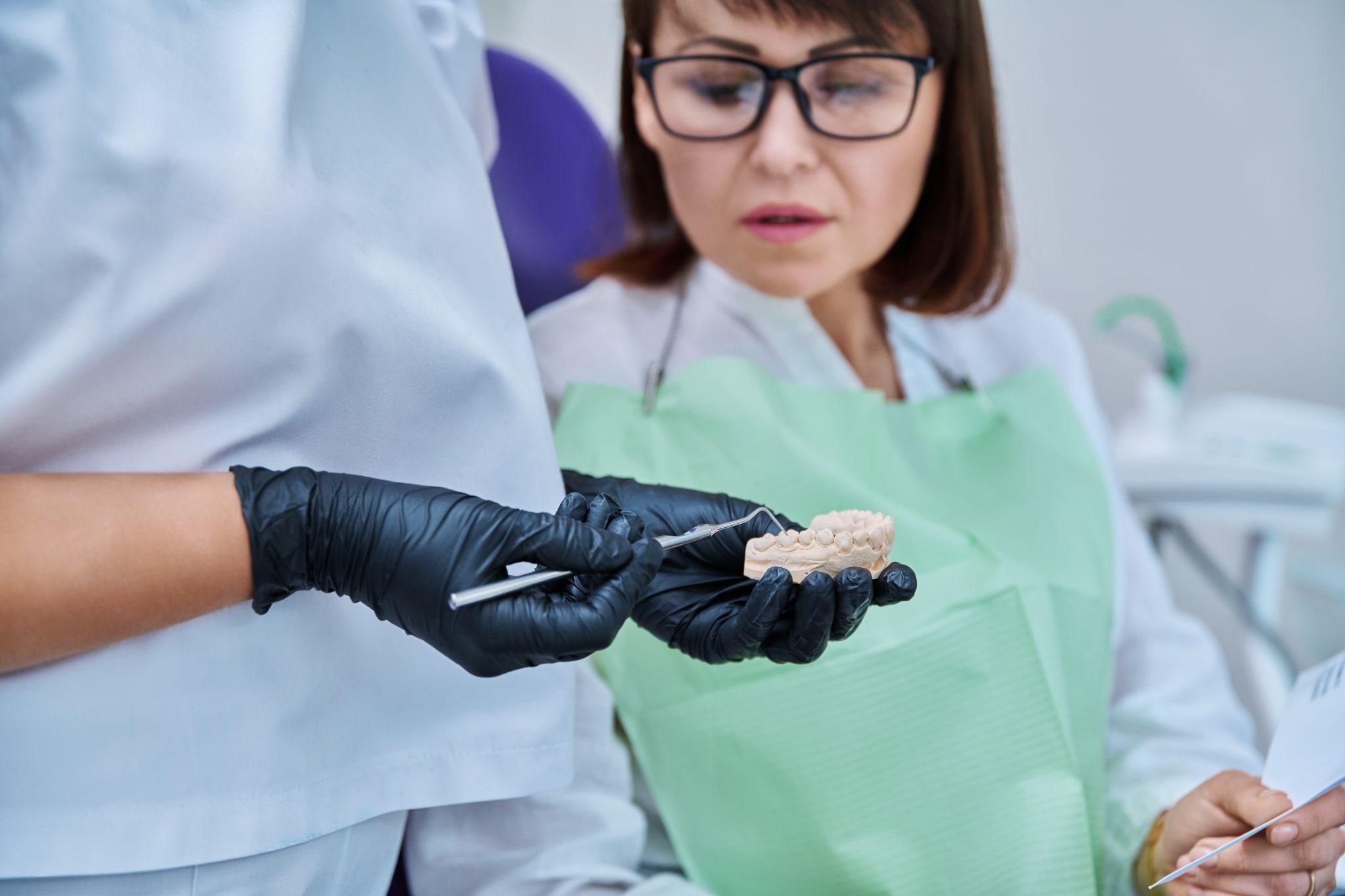
Many patients are understandably surprised when they learn they need bone grafting before receiving a dental implant. Questions such as “Why is this necessary?” or “Is this a major procedure?” are completely normal. Bone grafting is actually a gentle and predictable method used to rebuild areas of the jaw where bone has thinned over time.
By adding healthy bone through an implant bone graft, our surgeon creates the strong, stable foundation an implant needs to function comfortably for years.
In this blog, we will explain why bone grafting is recommended, how the procedure is performed, and what recovery looks like, so you feel informed and supported from the very beginning.
Why Bone Grafting Is Needed for Implants
Many patients are surprised to learn how common jawbone loss is and how gradually it occurs. When a tooth is missing, the bone in that area begins to shrink because there is no tooth root to stimulate and support it. Bone loss may also result from infection, an old injury, gum disease, or natural resorption that happens over time.
That is where bone grafting becomes essential, when the jaw needs that little extra support from us to move forward with dental implant treatment. An implant bone graft restores healthy bone to give your future implant a solid, sound foundation and helps to safeguard long-term stability, and sets the stage for successful results.
Types of Bone Grafts Used in Oral Surgery
There are several options when it comes to dental implants and bone grafting, and our surgeons will select the most suitable option for you.
- Autograft: It consists of a modest amount of the patient’s own bone, usually taken from another intraoral site, which autonomously starts to integrate with the recipient site that is to be supported.
- Allograft: Made from donor bone that has been carefully processed and has a long history of safe use in oral surgical procedures.
- Xenografts and Synthetic Grafts: These materials act as a gentle scaffold and allow for gradual host bone regeneration.
Our surgeon will choose the safest and most appropriate option based on your jaw, your implant plan, and your comfort. The end goal of any bone graft is simple: a strong, reliable foundation for the future implant to last for years.
How is Bone Grafting Performed?
A general bone grafting procedure begins with diagnostic imaging, often a 3D scan, where we determine precisely how much support an area requires. Once the plan is established, we carefully prepare the graft site. The graft material chosen is put into place with precision, filling and rebuilding the region where bone has thinned. Once placed, the graft is stabilized and protected to allow healing and proper integration.
Depending on bone quality, this can be done as a separate step before the implant, or it can be performed in conjunction with the placement of an implant on the same visit. At Premier Oral and Maxillofacial Surgery Group, we utilize advanced imaging technologies, along with specialty surgical techniques, to guarantee precision, comfort, and predictable healing throughout the procedure.
Healing and Bone Graft Recovery: What to Expect
After bone grafting, the body incorporates the graft into the surrounding bone as a natural healing process. This period of bonding, also known as osseointegration, lays a healthy foundation for the future implant. During the first days after surgery, it is common to experience some degree of soreness or swelling, from which the symptoms usually improve rapidly with the medicines and home care we provide.
Fully incorporating the graft into the bone takes time, so recovery usually lasts several months. During this period, patients are advised to stay on a soft diet, maintain good oral hygiene, and avoid applying pressure to the treated area. Generally, the recovery is highly predictable, and our surgical team will monitor the course to make sure that healing is occurring properly.
When Bone Grafting and Implants Can Be Placed Together
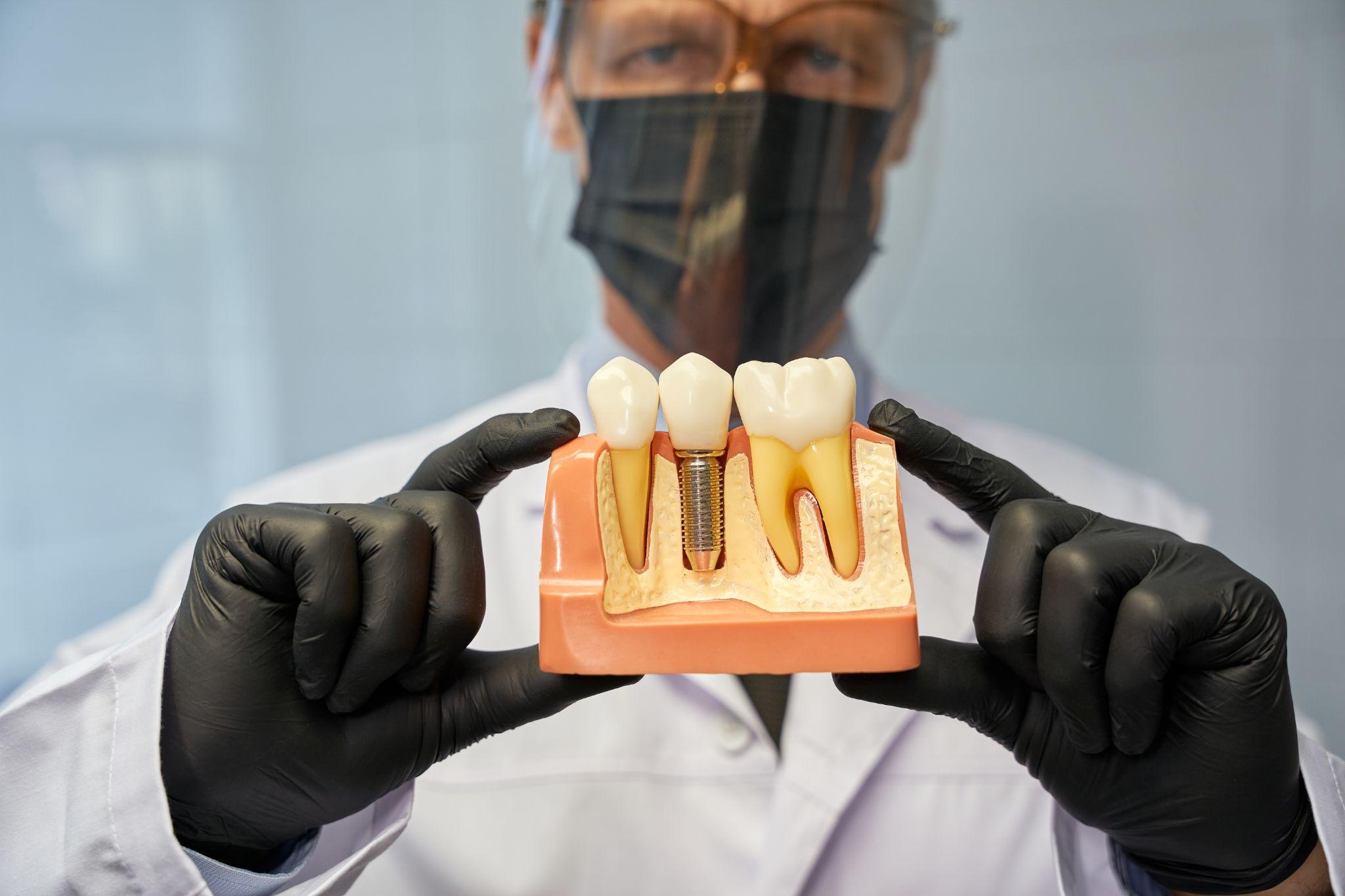
In some cases, we can place the implants at the same time as the bone graft, a procedure called immediate implant placement. This usually works when your jaw already has enough strength to support both the graft and the implant together.
In other instances, it’s safer to take a staged approach and let the graft heal completely before placing the implant. Either option offers benefits; performing both at once can shorten the overall treatment time, while staging ensures extra stability when your bone needs more support. Our team at Premier will explain each option and recommend the approach that supports the safest, most predictable long-term result.
Risks, Safety, and Long-Term Benefits
As with all surgical procedures, bone grafting carries a few uncommon risks, such as infection or graft exposure. These occurrences are rare and are closely monitored by our surgical team. When performed by qualified oral and maxillofacial surgeons, bone grafting has an excellent success rate.
The long-term benefits are significant. An implant bone graft rebuilds areas affected by bone loss, strengthens the jaw, and provides a stable foundation for an implant. This enhances comfort, supports natural contour, and contributes to long-lasting function.
By reinforcing the jaw, bone grafting helps ensure your implant remains secure and reliable for decades.
A Stronger Foundation for Successful Implants
Bone grafting creates the strong, healthy framework needed for successful, long-lasting dental implants. It is a common, highly predictable, and effective procedure that restores missing bone and prepares the area for future treatment.
Most patients find the process straightforward, and recovery is supported every step of the way by our surgical team. Although treatment plans vary from person to person, an implant bone graft is a valuable investment in long-term implant success.
If you have been advised to get an implant bone graft, our team is here to help you and guide you with compassion and clarity. Book an appointment to consult about the personalized implant and bone graft plan for you.
Comments are closed.