
When Facial Trauma Changes Everything: How Oral Surgeons Help Patients Find Their Way Back
It’s remarkable how quickly life can change. One moment, everything is normal, and the next, a fall, a sudden impact, or an unexpected accident results in facial injury. What follows is often a mix of shock, discomfort, and a quiet fear of what comes next.
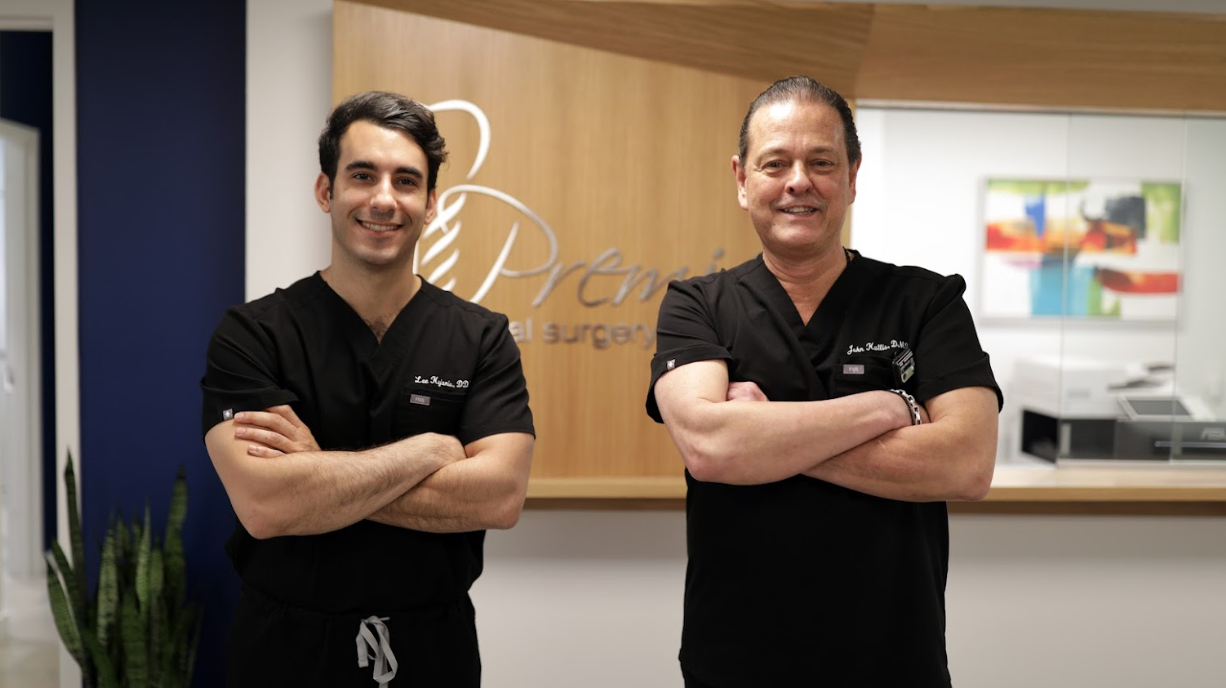
At Premier Oral and Maxillofacial Surgery Group, we meet many patients who arrive after trauma, doing their best to stay calm, often holding a swollen jaw or gently touching a cut along the lip. Their concerns are rarely just about discomfort. Many worry about changes in appearance, about how they will heal, and whether they will feel like themselves again.
The face carries so much of our identity, and when an injury affects it, the impact goes deeper than bone or tissue. In this blog, we’ll walk you through how our oral surgeons treat your facial trauma.
What Trauma Looks Like in Real Life
Facial trauma is often imagined as dramatic, but in reality, it can happen during everyday moments, on the stairs, during a game, or from a simple slip on the pavement. Some injuries appear minor on the outside yet affect the deeper structures that support expression and function.
Jaw fractures are more common than people expect. A sudden impact can cause the lower jaw to shift out of alignment, making chewing painful or causing the bite to feel completely wrong.
There are also midface injuries affecting the cheekbone, the eye socket, the nose, and the parts that give structure to expression. Even a tiny fracture can make one side look slightly sunken or swollen in a way the patient notices immediately.
Soft-tissue injuries may look like simple cuts, but around the lips or chin, there are nerves, tiny muscles, and layers that heal differently. A stitch placed without proper alignment can change how a smile forms. For this reason, trauma care isn’t just fixing a cut; rather, it’s about understanding the functional importance of the face.
How Surgeons Understand What’s Really Going On
When the patient arrives after an incident that causes trauma, the first thing we do is to evaluate and understand their injuries. We check the airway, jaw moves, look at how the teeth sit, and ask the patient to make small expressions. Many people don’t even realize something deeper is injured until we identify it.
Next, we begin with imaging. These are not just regular X-rays, but 3D scans that show every curve of bone.
This step is extremely crucial because trauma does not occur the same way for different people. Two people with the same external injury can have completely different internal damage. We study these images like maps, where a fracture starts, how far it travels, and which nerve sits nearby.
At Premier, our team explains the surgery procedure in a simple, clear way. Instead of overwhelming patients with medical terms, we draw diagrams, review the scans together, and point out the areas of concern. It’s comforting to know exactly what’s happening rather than imagining the worst.
How We Repair Facial Injuries
There are multiple ways our oral surgeons help patients recover from jaw-related injuries, and some of the most common include:
Jaw Fractures
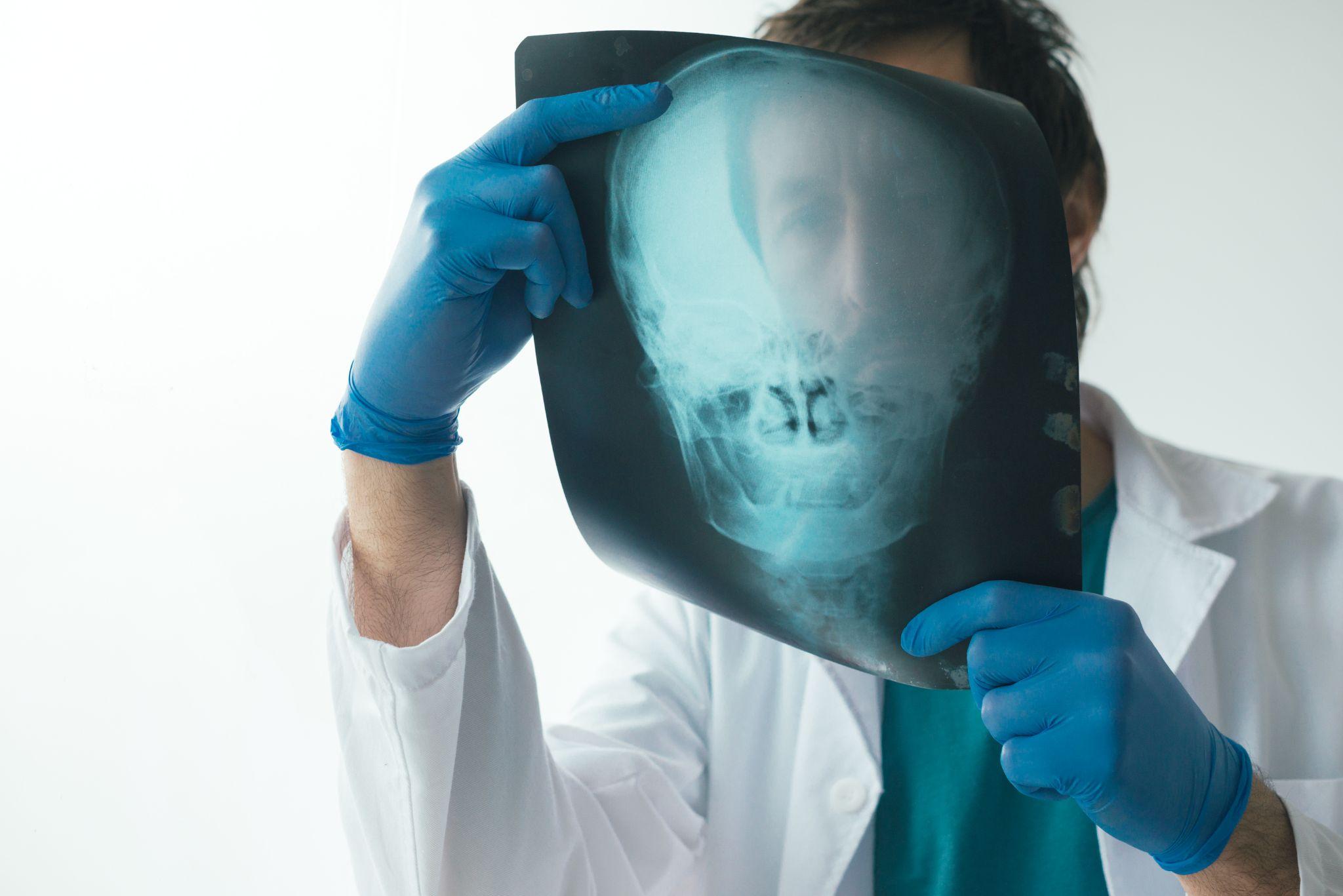
If the jaw is fractured, it needs stability. Sometimes that means a small titanium plate, other times, temporary wiring. The idea is to let the bone heal in the right position so the bite feels natural again. Most incisions are usually placed inside the mouth to avoid any visible scars.
Cheekbone, Eye Socket, Nose
These areas are delicate. A cheekbone that moves even a few millimeters can change the entire contour of the face. We gently reposition the bone, which is almost like putting a puzzle piece back into place. Low-profile plates help hold it all in place, but the goal is to maintain natural symmetry.
Soft-Tissue Injuries
A simple cut on the lip or chin is never really simple. Layers must be aligned properly, muscles should reconnect carefully, and the nerves that affect sensation must be protected. We repair each layer with tiny sutures so the healing blends back into the natural lines of the face.
Comments are closed.