
Facial Aesthetics After Oral Surgery: How Healing Really Works
Patients are not always prepared for how they may look after surgery. Even after understanding the procedure and reviewing consent forms, many patients remain unsure when they see post-surgical changes.
Swelling, temporary asymmetry, and stiffness are common parts of the healing process. This is often when questions begin to surface, such as “Is this normal?” and “Will my face be okay?”
Facial changes after oral surgery are expected and temporary. Oral surgeons plan procedures with facial structure, balance, and recovery in mind. Even so, small changes in facial appearance can feel overwhelming for patients. At Premier Oral and Maxillofacial Surgery Group, facial healing is approached not just as a cosmetic concern but as a surgical responsibility.
In this blog, we explain facial swelling, healing stages, surgical planning, and recovery support. Every step is focused on keeping patients informed, reassured, and guided throughout the recovery.
How Oral Surgery Affects the Face?
Oral surgery affects the surrounding tissues. The mouth, jaw, muscles, nerves, and soft tissues are closely connected. During surgery, these tissues are temporarily disturbed as part of the healing process.
When this occurs, the body responds naturally. Blood flow increases, fluid shifts into the area, and inflammation develops. This is not a complication; it is the body doing its job. The result is swelling, stiffness, and in some cases, temporary changes in facial shape.
What matters most is understanding that these early changes do not reflect the outcome. Healing takes time. The face gradually settles as tissues relax, and balance returns slowly, not overnight.
Post-Surgical Swelling: What’s Normal and Why Does it Happen?
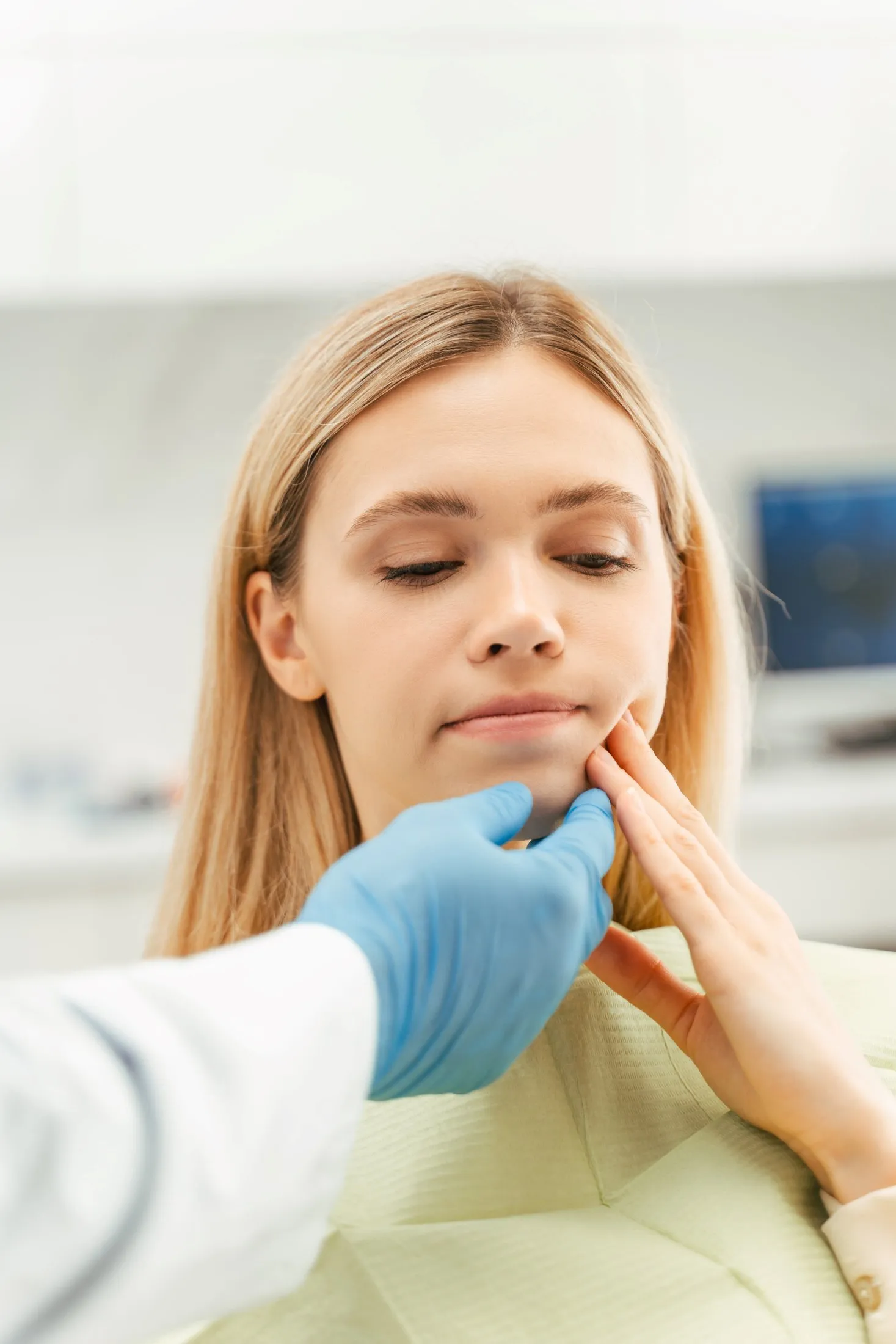
Post-surgical swelling is completely normal. It is also the part of recovery that patients tend to worry about the most. Swelling can feel sudden and dramatic, especially during the first few days.
Swelling occurs because the body sends additional fluid and immune support to the surgical area. In oral and maxillofacial surgery, this response commonly appears in the cheeks, jawline, and lower face.
For most patients, swelling peaks within 48 to 72 hours. During this phase, tightness and puffiness are common. One side of the face may appear more swollen than the other. This unevenness is normal. Gravity, surgical access points, and individual healing responses all play a role.
Over the following days, swelling slowly begins to decrease. Improvement often occurs in stages. Some days feel better than others, but this does not mean healing has stalled. It simply reflects that the body is continuing to adjust.
The Healing Timeline, Without False Promises!
Facial surgery recovery rarely follows a strict timeline. There is no fixed pattern for healing.
The first few days are usually the most uncomfortable. Swelling is noticeable, and bruising may appear. Facial movement can feel restricted during this time.
By the end of the first week or two, many patients notice visible improvement. Swelling begins to reduce, discomfort eases, and facial expressions feel more natural.
What is less obvious is that healing continues long after visible swelling goes down. Bone healing, soft-tissue settling, and internal recovery can take weeks to months. Feeling normal again often occurs before healing is fully complete.
Recovery timeline varies from person to person and depends on the procedure performed.
Comparing recovery experiences is rarely helpful.
How Surgeons Plan for Facial Balance
Facial balance is not accidental. Oral surgeons evaluate facial structure, jaw position, and symmetry before surgery even begins.
3D imaging helps surgeons better understand anatomy. Careful planning allows anticipation of how tissues may respond during healing. Surgical techniques are selected to minimize unnecessary trauma and preserve natural contours.
During surgery, controlled movements, precise incisions, and close attention to anatomical details matter. These factors influence how swelling develops and how the face settles during recovery.
The goal is not to create something new. The goal is to restore function while allowing the face to heal in a way that feels natural to the patient.
Recovery is Guided, Not Left to Chance!

Healing does not end when surgery is complete. Post-operative care plays an important role in the progression of facial recovery.
Patients receive instructions that may seem simple, but they matter deeply. These commonly include:
- Cold therapy in the early days.
- Proper head elevation.
- Strict attention to medication timing.
- Limiting facial activity.
Each of these steps is designed to reduce swelling and protect healing tissues.
Follow-up visits are not routine checklists. They allow surgeons to assess facial balance, monitor healing, and respond if something feels off. Patients are encouraged to speak up, as questions are considered part of care, not interruptions.
Procedures Where Facial Appearance Often Becomes A Concern
Some procedures affect facial appearance more visibly than others.
- Wisdom tooth removal, especially when the tooth is impacted, often leads to swelling in the cheek and jaw.
- Jaw surgery involves structural changes and typically requires a longer adjustment period.
- Facial trauma repair addresses injuries that affect both function and appearance.
- Dental implant surgery and bone grafting may also cause localized swelling as tissues recover.
Each procedure comes with its own recovery rhythm. There is no single template for healing.
What Can Patients Do To Support Healing?
Recovery works best when patients closely follow guidance. The following factors play an important role:
- Hydration
- Nutrition
- Rest
Avoiding activities that increase swelling early on helps protect healing tissues. Attending follow-up appointments ensures that concerns are addressed before they become ongoing worries.
Healing That Respects Comfort And Confidence
Facial changes after oral surgery can feel unsettling, but they are part of a normal healing process. With careful planning, precise surgery, and guided recovery, balance returns over time.
At Premier Oral and Maxillofacial Surgery Group, healing is approached with patience and honesty. Understanding what to expect helps patients move through recovery with less fear and more confidence.
A consultation provides an opportunity to discuss concerns, timelines, and what healing may look like. Visit us, meet our team, and book a consultation to have your questions answered.
Comments are closed.