
Wisdom Tooth Removal: What to Expect Before, During & After
It’s completely normal to feel a little apprehensive when you hear the words wisdom tooth removal. You might even ask yourself, “Will it hurt?” or “What if mine are impacted?,” and that’s perfectly fine.
Here’s the good news: wisdom tooth surgery is one of the most common and safe oral procedures performed every day, always with your comfort as the top priority. Understanding what to expect before, during, and after the process can ease much of that anxiety, and that’s exactly what we’ll walk you through here.
At Premier Oral & Maxillofacial Surgery Group, our surgeons combine advanced skill with genuine compassion so your experience is calm, smooth, and reassuring from start to finish. Here, surgical expertise truly meets comfort.
Why Wisdom Teeth Are Removed
Wisdom teeth are the third set of molars that come through usually between the ages of 15 to 25 years. Many times, the jaw has little space to accommodate them, which might cause overcrowding, misalignment, or even infection. If you’re experiencing soreness or stiffness in your jaw, it may help to understand the connection between jaw pain and wisdom tooth extraction and how timely treatment can prevent further complications.
Wisdom tooth removal is sometimes needed to maintain oral health and prevent discomfort. In some cases, the tooth erupts normally and can be removed easily. In others, if it remains trapped beneath the gum or bone, an impacted tooth removal is required, a more precise surgical procedure performed by an oral surgeon.
Early evaluation and checkups can help prevent complications such as pain, pressure, or damage to nearby teeth. At Premier, we use advanced 3D imaging and diagnostic tools to evaluate each case carefully, ensuring every procedure is clear, accurate, and comfortable from beginning to end.
Preparing for Your Wisdom Tooth Removal
Before your wisdom tooth removal, you will have an in-depth consultation to keep you comfortable and well-informed. During this visit, your surgeon will review your medical history, take X-rays or CBCT scans, and develop a personalized plan for your procedure. You will discuss your anesthesia options, which include local anesthesia, IV sedation, and general anesthesia, to be comfortable with how your surgical extraction will be performed.
It’s best to wear loose, comfortable clothing on the day of surgery, arrange a ride home if sedation will be used, and follow any fasting instructions given in advance. You’ll have plenty of time to ask questions and understand every step of the process. With a calm, patient-focused approach, your experience will be smooth, safe, and completely reassuring from the start.
What Happens During the Procedure
During wisdom teeth surgery, every effort is made to keep you relaxed and pain-free. After anesthesia or sedation takes effect, your surgeon will begin the procedure with precision and care.
For impacted teeth, a small incision may be made in the gum to access the tooth. In some cases, the tooth is sectioned into smaller pieces to allow for safe removal. Once the tooth is extracted, the area is cleaned, and gentle sutures may be placed to support healing.
Most patients feel only light pressure during the procedure; thanks to modern anesthesia techniques, there is no pain. All surgeries are performed in a sterile, technology-equipped environment using advanced 3D-guided instruments for accuracy and safety. From beginning to end, your comfort and confidence remain our top priorities.
After the Surgery: Recovery & Care Tips
Right after wisdom tooth removal, it’s normal to experience mild swelling, slight soreness, or light bleeding, all of which are temporary and manageable. Applying ice packs can reduce swelling, and eating soft, cool foods such as yogurt, mashed potatoes, and soup helps keep you comfortable.
Avoid using straws, smoking, or vigorous rinsing for the first few days to prevent dry socket. Keep your head slightly elevated while resting, and take all prescribed medications exactly as directed.
Most patients feel comfortable again within two to three days and are fully healed within about a week. Follow-up appointments allow your surgeon to monitor recovery and make sure everything is healing properly. With good care and patience, recovery from surgical extraction is typically smooth and straightforward.
Addressing Common Questions & Concerns
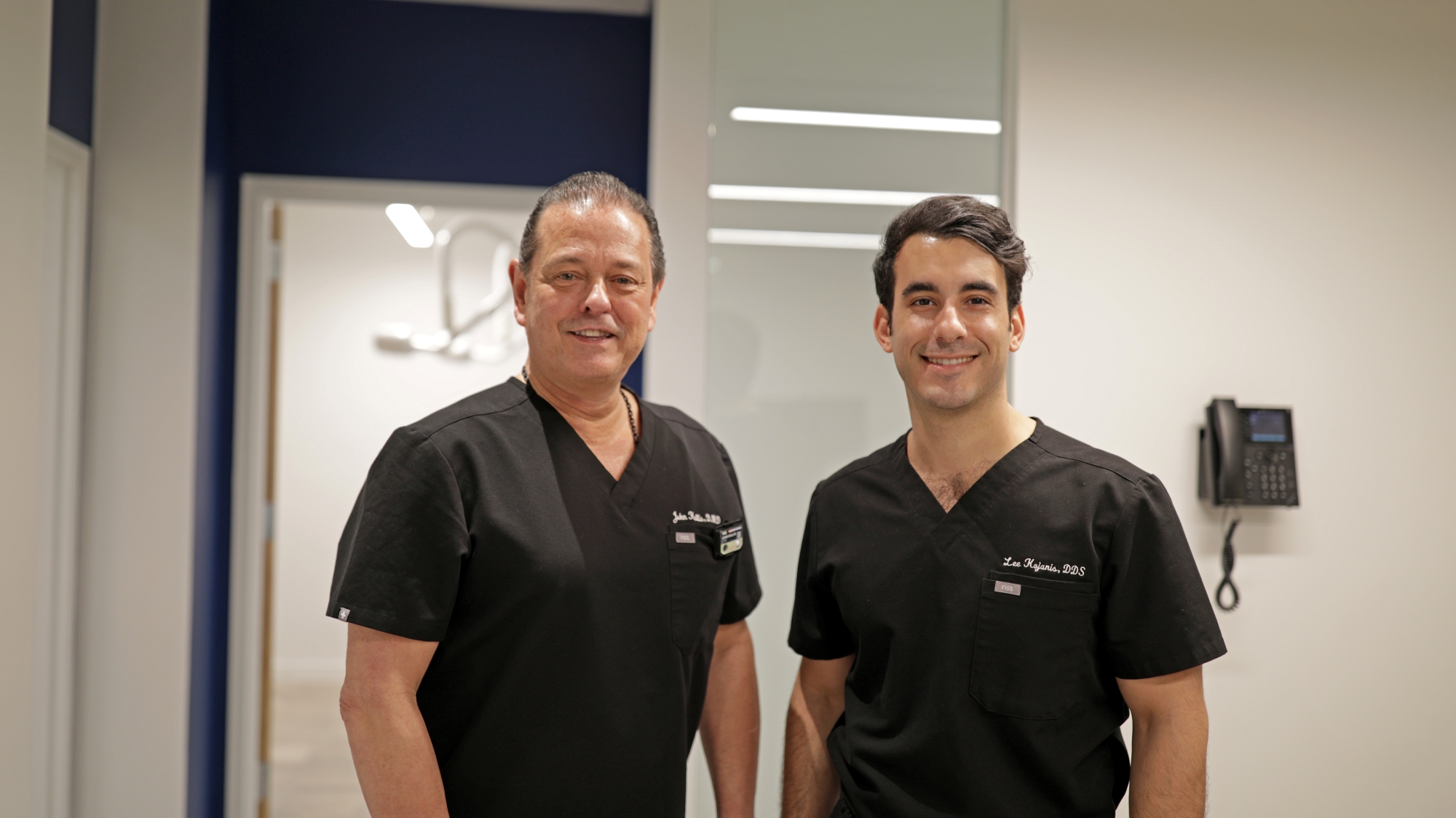
It’s normal to have a few questions before your wisdom teeth removal. A lot of people ask,
Will it hurt?
Thanks to modern anesthesia, you’ll stay completely comfortable during the procedure. Any mild soreness afterward is easily managed with medication and rest.
What if my teeth aren’t impacted?
If your teeth erupt normally, the procedure may be simpler. Your surgeon will determine the best approach after evaluating your X-rays.
How long does recovery take?
Most patients feel better within 3–5 days, though recovery may take a little longer if several teeth are removed.
Can I go back to work or school soon?
Usually, in two to three days, just avoid heavy activity.
Are there risks?
Complications like swelling or dry socket are rare and carefully managed by experienced oral surgeons. Your surgeon will review specific details before the procedure to ensure peace of mind.
Why Choose a Specialist for Wisdom Tooth Removal
Choosing a board-certified oral and maxillofacial surgeon ensures your wisdom tooth extraction is performed with the highest level of safety and precision. Specialists are trained to manage complex surgical extractions, especially when teeth are close to nerves or sinuses.
At Premier Oral & Maxillofacial Surgery Group, we use state-of-the-art imaging, 3D-guided planning, and gentle tissue techniques to achieve the best possible outcome. Every detail, from expertise to compassion, is focused on creating a seamless and comfortable experience where surgical skill meets care.
Comments are closed.