
Oral & Maxillofacial Surgery Explained: When It’s Needed & What’s Involved
The term Oral & Maxillofacial surgery might sound a bit intimidating if you’ve just been referred for it. It is a branch of oral surgery that focuses on caring for the jaw, face, and mouth to help correct injuries, alleviate long-term jaw issues, and restore comfort and confidence.
At Premier Oral & Maxillofacial Surgery Group, we believe care starts with understanding. We take the time to explain every step, answer your questions, and make you feel completely at ease before and after treatment. Whether it’s Oral & Maxillofacial Surgery for improved function or a procedure that helps you smile more comfortably. In this blog, we will guide you through maxillofacial surgery.
What Is Oral & Maxillofacial Surgery?
Oral & Maxillofacial surgery is a specialty that integrates dental, medical, and surgical skills to treat disorders of the jaw, mouth, and face. It helps restore comfort, movement, and appearance when these areas are affected by injury, illness, or long-term conditions.
While oral surgery generally deals with the treatments inside the mouth, maxillofacial surgery goes a step further. It encompasses the facial bones, joints, and soft tissues and offers care for both function and aesthetics. You might also hear it being referred to as faciomaxillary surgery or orofacial surgery.
Other examples include alignment surgery of the jaw, repair of facial trauma, treatment of TMJ disorders, and reconstructive procedures following an accident or illness. Each of these treatments is a step toward complete healing and regaining confidence in your appearance and yourself.
When Is Oral & Maxillofacial Surgery Needed?
Oral & Maxillfoacial surgery treats impacted wisdom teeth, TMJ disorders, and reconstructive needs following infection, injury, or tumor removal. It may also be used for cyst or benign tumor removal or to correct congenital conditions like cleft-related defects or facial asymmetry.
It’s also practiced after facial trauma, such as sports or accident-related injuries that leave the jaw fractured or misaligned. It can also correct jaw misalignment through jaw manipulative surgery (also known as Orthognathic Surgery), which may affect chewing, speaking, or breathing.
Oral & Maxillofacial Surgeons also perform a large array of facial cosmetic procedures, including but not limited to: Fillers, Botox, facial implants, scar revisions, among others
Each case is approached with precision using advanced imaging and guided techniques to ensure safety and comfort. If daily activities like eating or talking cause pain or difficulty, maxillofacial surgery could be the gentle yet effective step toward restoring balance and confidence.
What Happens During Maxillofacial Surgery?
Pre-surgery, your maxillofacial surgeon will begin a detailed consultation, including 3D scans, X-rays, and digital planning, to gain a clear picture of what is needed. This helps create a treatment plan that is completely personalized for you.
When the day of surgery arrives, your comfort is key. Your surgeon will describe anesthesia options to you and make sure that you are comfortable and confident before surgery starts. Depending on your condition, surgery may involve small incisions, adjustments to bone structure, or the repair and removal of affected tissue.
At Premier Oral & Maxillofacial Surgery Group, every procedure is performed in a closely monitored environment using state-of-the-art 3D-guided technology. Mild swelling or soreness afterward is normal and manageable, allowing most patients to recover comfortably and quickly.
Common Procedures Explained
Maxillofacial surgery includes treatments that will make you feel and function better:
- Orthognathic, or corrective jaw surgery, is one of the most common procedures to correct misaligned jaws, which create bite problems and breathing difficulties.
- Facial trauma, in which restoration of bone structure and balance is needed after an accident or injury.
- TMJ surgery can bring relief if pain or stiffness in the jaw has been making daily life uncomfortable.
- Bone grafting and reconstruction, rebuilding areas where bone loss has occurred due to trauma, disease, or previous surgeries.
- Cyst or tumor removal safely eliminates benign growths affecting bone or soft tissue.
While each faciomaxillary surgery has unique needs and challenges, the ultimate goal is to restore comfort and confidence, with natural facial harmony, while helping you heal with care and ease.
Choosing the Right Maxillofacial Surgeon
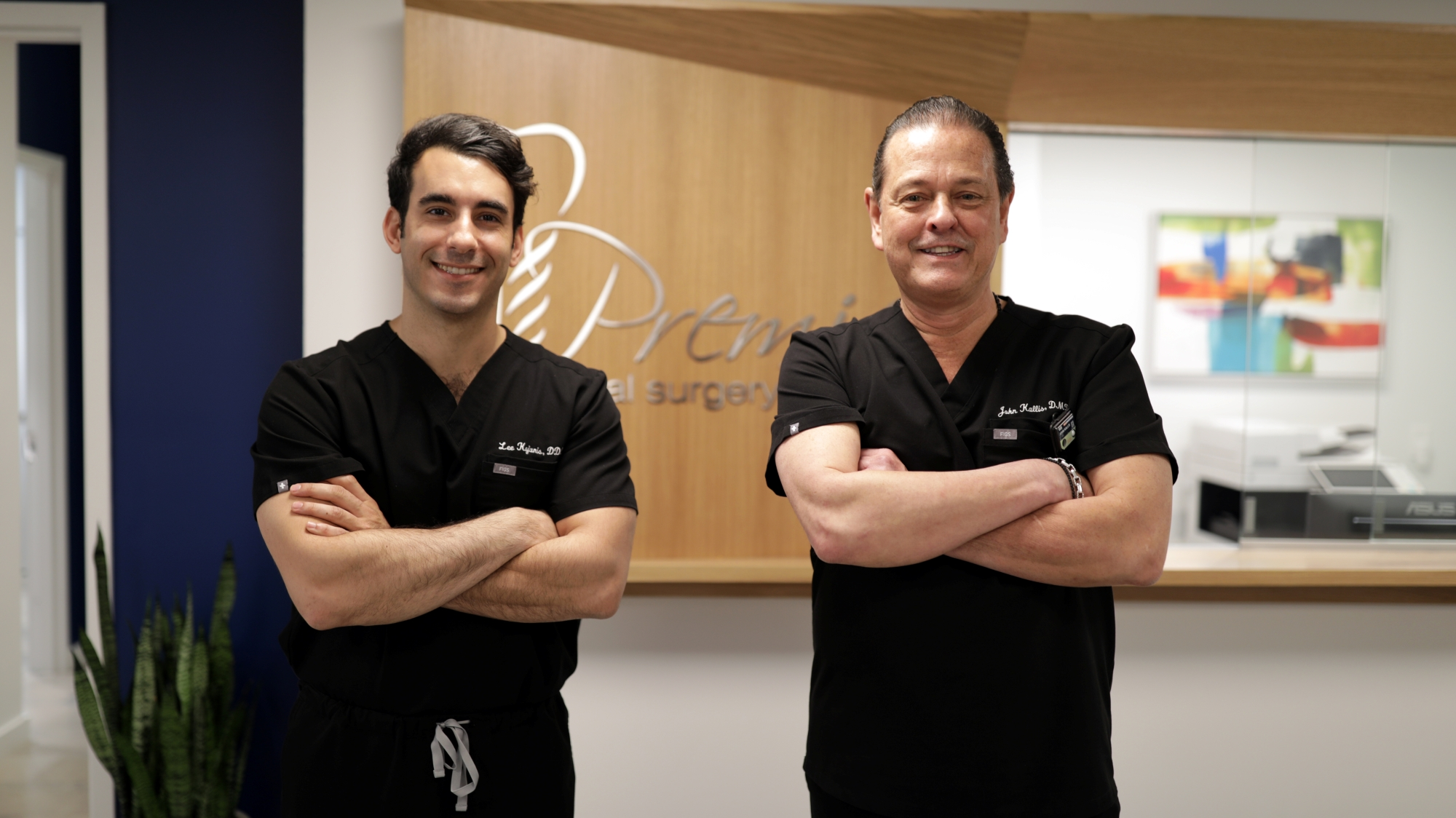
When it comes to maxillofacial surgery, your choice of surgeon makes all the difference. A board-certified oral and maxillofacial surgeon provides the specialized training and expertise required for these complex procedures.
At Premier Oral & Maxillofacial Surgery Group, we combine advanced imaging, 3D-guided planning, and modern surgical tools to ensure each treatment is performed with accuracy and care. But technology alone doesn’t define our approach; our team takes time to explain every step, answer your questions, and ensure you feel confident in your care.
We believe in guiding patients with empathy, education, and genuine support. That’s what defines us: a team where surgical expertise meets comfort.
If you have been advised to consider orofacial surgery or simply want to understand your options better, we’d love to speak with you. Book a consultation, and together we can work out the best plan for your confident healing.
Comments are closed.