
Why Does Early Detection Of Oral Disease Change Your Treatment Options?
Every time we spot a sore on the inside of the cheek, we panic. Even a small lump that wasn’t there before or a patch that looks slightly different from the surrounding tissue is concerning. Most people notice these changes and then wait, hoping they will go away on their own. Sometimes they do, but sometimes they don’t.
Oral pathology focuses on evaluating diseases, tissue changes, lesions, cysts, and abnormalities involving the mouth, jaw, gums, tongue, lips, cheeks, and related structures. Many of these findings turn out to be benign or easily manageable. What changes the outcome is often the timing. When a concern is caught early, there are usually more options available.
In this blog, we walk you through what oral surgeons look for, why early detection matters, what diagnosis can involve, and when to see a specialist.
What Is Oral Pathology?
Oral pathology is the study, diagnosis, and management of diseases or unusual changes in the mouth and jaw. Pathology is one of the most feared terms by patients. It is important to understand that it is simply a field dedicated to understanding what is happening in the tissue.
An oral surgeon evaluating oral pathology may look at color changes, sores, ulcers, lumps, swelling, cysts, growths, or jawbone changes. The concern can be anything from an infection or inflammation to a benign cyst, an irritation-related lesion, or something that needs further testing. The purpose of evaluation is to understand what the change is and not to assume the worst-case scenario.
Signs That Should Be Checked Immediately
There is a difference between a sore that resolves within a week or two and one that simply stays. There are certain signs that deserve professional evaluation. These include a sore that does not heal, a lump or thickened area, unexplained swelling, red or white patches, bleeding without clear cause, numbness, or pain that does not go away.
Functional changes also matter. For example, a patient experiencing trouble while chewing, swallowing, speaking, moving the tongue, or opening the jaw is concerning. These symptoms can have many explanations, but persistence or changes over time are exactly what should be evaluated. You can explore more about the common oral cavity and throat symptoms that should not be ignored.
Why Early Detection Can Change Treatment Options
Earlier evaluation may allow for simpler, more targeted, or more flexible care. When a concern is identified early, the care team typically has more options for monitoring, testing, removing a small lesion, treating infection, or planning follow-up.
Early detection does not guarantee a specific result. It does give the surgeon more information earlier. This helps decisions be made with greater clarity. At Premier Oral, our goal is to identify the concern, explain what we are seeing, and recommend the most appropriate next step to the patients.
What Oral Surgeons Look For During An Exam?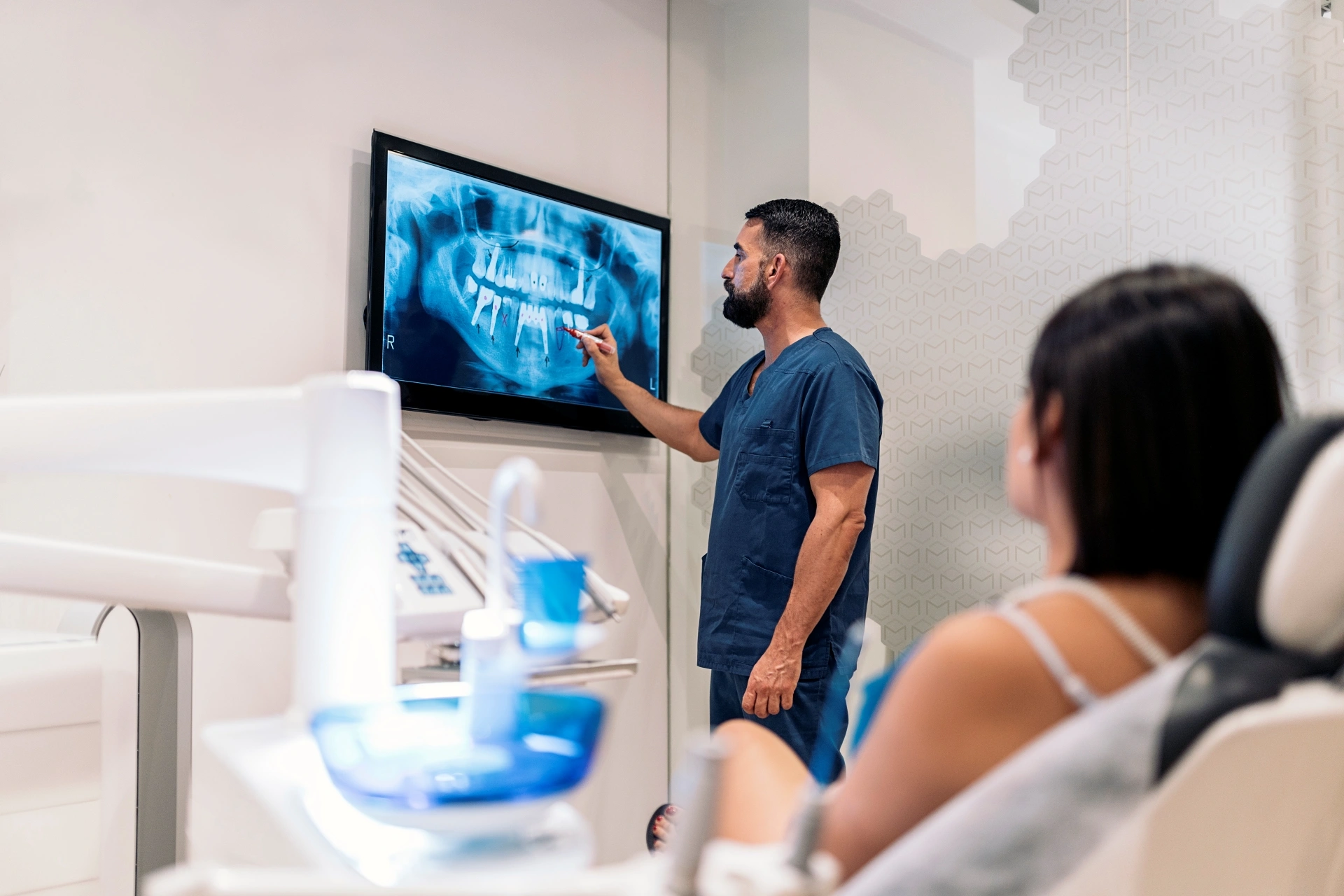
Our goal is to always make the screening process less intimidating and predictable for the patients. Oral surgeons may examine the lips, gums, tongue, cheeks, floor of the mouth, palate, throat area, jaw, and nearby tissues. They look for changes in color, texture, shape, firmness, or tenderness.
It may include checking for swelling, jaw tenderness, neck lumps, or signs of involvement of the deeper structures. Photos, measurements, imaging, or a scheduled follow-up may be recommended depending on the findings. Patients should be assured that the examination is usually about gathering information first.
When To See A Mouth Lesion Specialist?
A dentist may refer a patient to a mouth lesion specialist when a sore, patch, lump, cyst, or growth does not heal. This may occur when it cannot be clearly explained and requires a closer evaluation. The referral alone is not a signal that something is seriously wrong. It is a step towards getting a clearer answer.
Dentists and oral surgeons often work together through this process. The referral is part of coordinated care. A specialist evaluation can help determine whether the area should be monitored, tested, removed, or treated.
How Do Surgeons Diagnose Oral Diseases?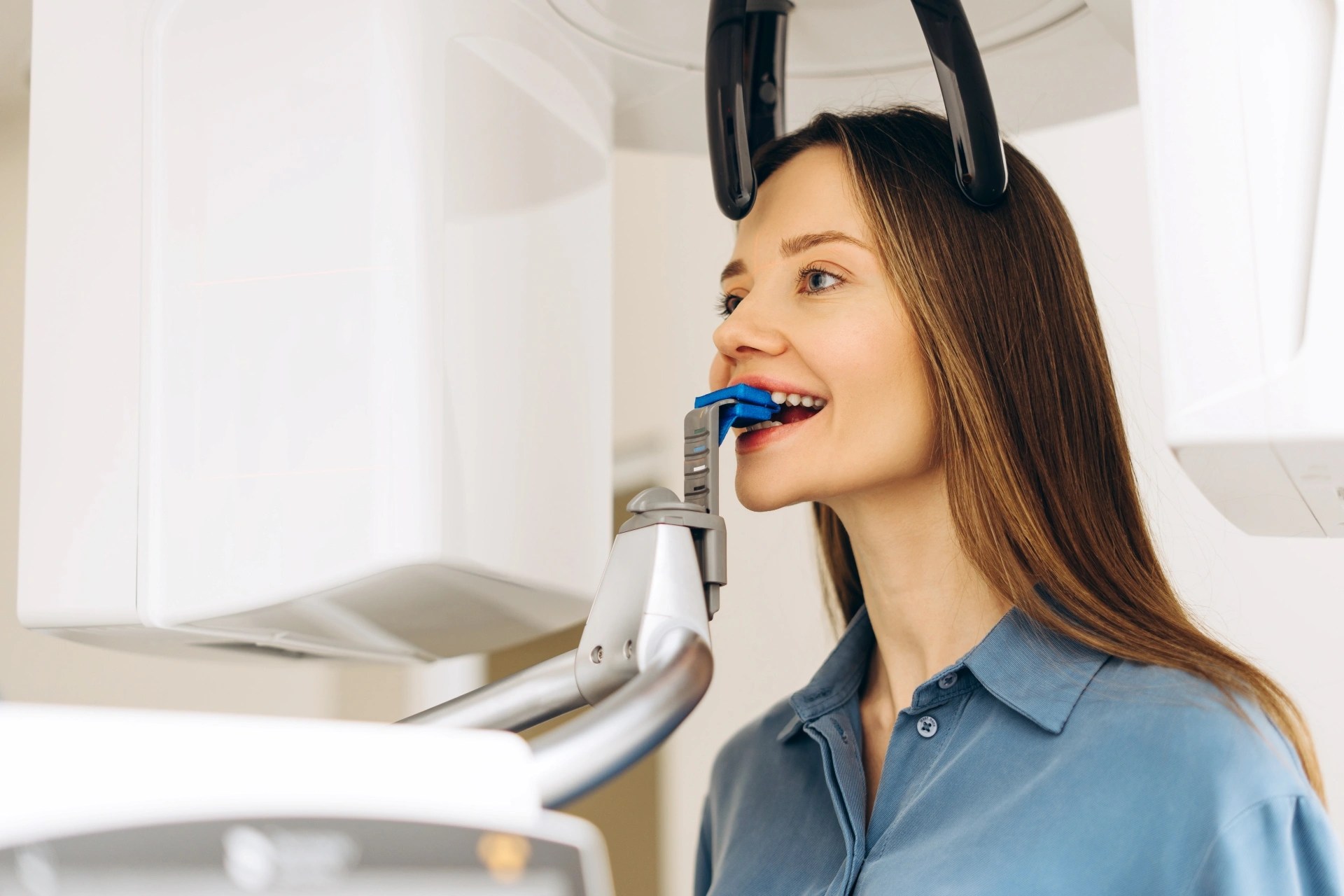
An oral disease diagnosis usually begins with a conversation. The surgeon asks the patient about the symptoms, timing, pain, growth, habits, medications, medical history, and prior dental concerns.
The area is then examined and compared with surrounding tissue. Advanced 3D imaging may be used when the concern may involve the jawbone, teeth, a cyst, or deeper structures. Some findings are monitored over time. Others may need testing before a clear answer is possible.
When A Biopsy May Be Recommended?
A biopsy, in simple terms, is the removal of a small tissue sample for examination in a lab. It may be recommended when a lesion appears unusual, has not healed, has changed over time, or cannot be identified on examination alone.
There’s always an unsaid anxiety patients have when they hear Biopsy. A biopsy does not mean cancer. It simply means the surgeon wants a clearer answer than an examination alone cannot provide.
What Happens If You Wait Too Long?
Some oral changes do resolve without intervention. Waiting longer than the safer period can bring more trouble. Once the surgeon understands the condition, treatment may involve monitoring, medication, biopsy, lesion removal, cyst removal, infection management, or referral for additional care.
Smaller or earlier findings may be easier to manage than larger or long-standing changes, depending mainly on the diagnosis. An early diagnosis of oral disease may help the care team plan treatment before the condition affects nearby teeth, bone, or soft tissue.
FAQs
What is oral pathology?
Oral pathology is the diagnosis and management of diseases or unusual changes affecting the mouth, jaw, gums, tongue, lips, cheeks, and related tissues.
Why does early detection matter for oral disease?
Early detection may give the care team more options for monitoring, biopsy, treatment, or follow-up before a condition becomes more involved.
What symptoms should I have checked?
A sore that does not heal, a lump, swelling, a red or white patch, unexplained bleeding, numbness, jaw pain, or trouble chewing or swallowing should be evaluated if it persists or changes.
When should I see a mouth lesion specialist?
When a dentist or physician wants a suspicious, persistent, or unexplained oral change examined more closely, a referral to a specialist may follow.
Does a biopsy mean I have cancer?
No. A biopsy is a diagnostic tool. It helps identify what a tissue change is so the care team can recommend the right next step.
Early Diagnosis Can Lead To Better Planning
Oral pathology helps identify changes in the mouth, jaw, and related tissues. It exists so early detection can affect treatment options by helping the surgeon understand the concern sooner.
Persistent sores, patches, lumps, swelling, or unexplained symptoms should never be ignored. At Premier Oral Surgery and Maxillofacial Group, our approach is careful evaluation, clear explanations, biopsy services when needed, and compassionate guidance.
So the next time something feels different and persists, you can schedule a consultation with our team. We are here to help you understand what you are seeing and evaluate it to understand what follows next.
Comments are closed.