
Post-Oral Surgery Diet: What To Eat For Faster Healing
In the aftermath of oral surgery, seemingly easy tasks such as eating and drinking can be quite different. Patients have concerns about food intake, the duration of soreness, and activities that might prolong the recovery period.
Everyone recovers differently, but the proper oral surgery diet can make the experience more comfortable and shield sensitive areas as they recover.
From choosing soft foods and staying hydrated to avoiding certain actions when chewing, this blog covers all recommended dietary practices necessary after oral surgery.
Why Food Choices Matter After Oral Surgery
Most people do not think much about food until right after oral surgery, when suddenly even eating mashed potatoes feels like something that needs planning.
Patients usually get home hungry, but chewing feels uncomfortable, the mouth is numb or sore, and it becomes hard to tell what is actually safe to eat. That is where a good post-operative surgery diet helps. It is less about restriction and more about making recovery easier on the mouth while things settle down. Soft, simple foods are usually the easiest starting point. The goal is to avoid irritating the surgical area while still giving the body enough nourishment to recover properly.
At Premier Oral and Maxillofacial Surgery Group, patients receive recovery instructions that outline what to expect after surgery, including food choices during the healing process.
How Oral Surgery Affects Eating In The First Few Days
The first few days can feel awkward more than anything else. After extractions, wisdom teeth removal, implants, or bone grafting, the mouth needs time to recover. Swelling, tenderness, numbness, or limited jaw movement can make normal chewing feel uncomfortable for a while.
That is why soft foods are usually recommended first after surgery. Foods that require less chewing place less pressure on the healing area and lower the chance of accidentally irritating the site.
After extraction procedures, protecting the blood clot matters too. If the clot gets disturbed too early, it may increase the risk of dry socket, which can slow healing and become pretty uncomfortable. Most patients notice gradual improvement day by day, even if eating feels limited at first.
The First 24 Hours: Keep It Cool, Soft, And Simple
The first day after surgery is usually about keeping things gentle. Cool or room-temperature foods are often easier on the mouth early on. Yogurt, applesauce, pudding, mashed potatoes, broth, and smooth soups tend to work well because they do not require much chewing.
Smoothies can help, too, though patients are usually told to avoid straws after extraction procedures. Suction can dislodge the clot and increase the risk of dry socket in some cases. A post-operative diet during the first day should be simple. Hot foods, spicy meals, crunchy snacks, smoking, and alcohol are usually avoided while the area starts healing.
Healing foods during this stage do not need to be fancy. Comfort and hydration matter more than trying to eat a perfect meal.
Soft Foods After Surgery That Are Easier To Eat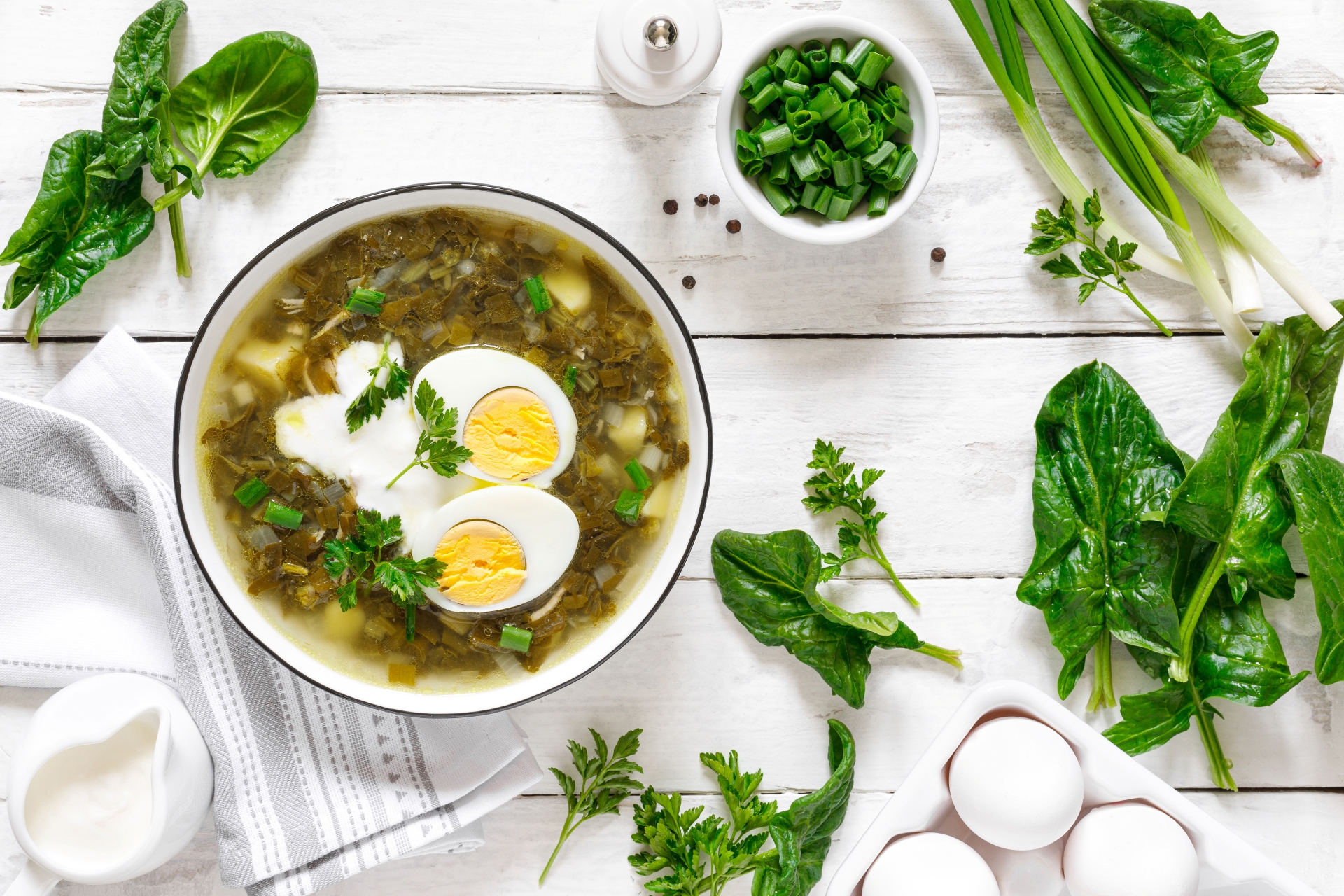
By the second or third day, most people are ready for more variety. Soft foods after surgery often include oatmeal, scrambled eggs, cottage cheese, cream of wheat, soft pasta, pureed soups, soft-cooked vegetables, and seedless smoothies. Some patients also tolerate flaky fish once chewing feels easier again.
Foods with sharp edges or small hard pieces are usually avoided early on. Chips, popcorn, nuts, crusty bread, and seeds can irritate the surgical site or get stuck around the area while healing is still fresh.
One thing surgeons often notice is that patients rely only on ice cream and pudding for days. Those foods are fine occasionally, but healing foods with more protein and nutrients usually help patients feel better overall during recovery.
Healing Nutrition: What Your Body Needs While You Recover
Healing nutrition becomes important pretty quickly after surgery, especially if eating normally is difficult. The body still needs protein, calories, fluids, and nutrients while tissue repair happens. The trick is finding foods that are nourishing without requiring heavy chewing.
Greek yogurt, scrambled eggs, lentil soup, mashed sweet potatoes, avocado, cottage cheese, and blended soups are all examples of healing foods that are usually easier to eat while recovering. Healing nutrition is not about speeding the process up overnight. It is more about supporting the body while it does the work naturally.
Foods And Drinks To Avoid While Your Mouth Heals
Some foods are avoided simply because they tend to make healing harder. Crunchy foods, spicy meals, sticky candy, chewy meats, acidic foods, popcorn, crackers, and chips can all irritate the area or require too much chewing early on.
Alcohol, smoking, and carbonated drinks may also be restricted depending on the procedure and recovery timeline. Dry socket is one reason surgeons are careful about these recommendations after extractions. It happens when the protective clot either detaches or fails to form properly during early healing.
Not every oral surgery patient develops dry socket, but protecting the clot remains important to recovery after extraction procedures.
FAQs
What is the best post-operative surgery diet?
Usually, one that stays soft, simple, and easy to chew during early healing.
Which healing foods should I focus on?
Foods like yogurt, scrambled eggs, oatmeal, mashed potatoes, and blended soups are common choices.
When Can I Eat Normally Again?
The timeline varies depending on the procedure and healing progress. Most patients gradually return to regular foods over several days.
Eat Gently, Stay Nourished, And Let Your Mouth Heal
A post-operative surgery diet is really about making recovery more manageable while protecting the surgical site during healing.
Soft foods, hydration, and steady healing nutrition can help patients stay more comfortable during the first stage of recovery. Since every procedure is different, Premier Oral and Maxillofacial Surgery Group encourages patients to follow their individual instructions carefully and contact the office if healing feels unusual or symptoms worsen unexpectedly.
Schedule a consultation with Premier Oral to discuss your procedure, recovery instructions, and the best post-oral surgery diet for comfortable healing at home.
Comments are closed.