
Signs Your Dental Implant May Be Failing and What to Do
Most dental implants heal without major problems, but it is normal to have questions when something feels different during recovery. Mild pain, swelling, bruising, tenderness, or some bleeding can occur in the first few days after implant placement. What matters is how those symptoms change over time. If they begin to improve, healing is generally moving in the expected direction. If pain or swelling worsens, returns, or is joined by other changes around the implant, it is worth having the area evaluated.
Dental implant problems do not always develop suddenly. An implant may have difficulty bonding with the jawbone during healing, or problems such as inflammation, bone loss, or changes around the restoration may develop months or years later. Early evaluation can help determine whether you are experiencing a normal part of healing or a complication that needs attention.
In this blog, we’ll cover the signs of possible dental implant failure, how to distinguish normal healing from concerning changes, what can cause implant complications, and what to do if something does not feel right.
What Does Dental Implant Failure Actually Mean
The words “dental failure” sound alarming, but it doesn’t always mean an implant suddenly falls out. In fact, most of the time, the term refers to issues that can arise over time, such as complications that might require attention rather than an immediate, dramatic event
Sometimes the implant doesn’t fully bond with the jawbone during healing. In other cases, it works well for months or years before inflammation, bone loss, or other issues begin to affect its stability.
We’ve also seen patients come in because something simply feels different when they bite. Small changes like these don’t always point to a serious problem, but you shouldn’t ignore them either. A proper evaluation helps determine whether the implant is healing normally or needs attention.
Failed Dental Implant Signs Patients Should Not Ignore
Certain changes around a dental implant deserve attention, especially when they persist or worsen. Increasing pain, swelling that doesn’t improve or returns, red or tender gums, bleeding, drainage, or a persistent bad taste can warrant a call to an expert dental team.
A loose or unstable implant or crown, particularly when chewing, should also be evaluated. These signs of implant failure don’t necessarily mean the implant has failed. They may be linked to inflammation, a loose restoration, or another complication that an examination can identify.
What “Implant Rejection Symptoms” May Actually Mean
Many patients search for implant rejection symptoms when something feels different around an implant. However, “rejection” doesn’t always describe what is happening. True allergic reactions to titanium implants are uncommon, but symptoms may instead relate to infection, delayed healing, or inflammation around the implant.
Rather than trying to identify the cause yourself, watch for changes in your symptoms and contact your dental team if something doesn’t feel right. An evaluation can help determine what is happening and whether treatment is needed.
Why Dental Implant Complications Happen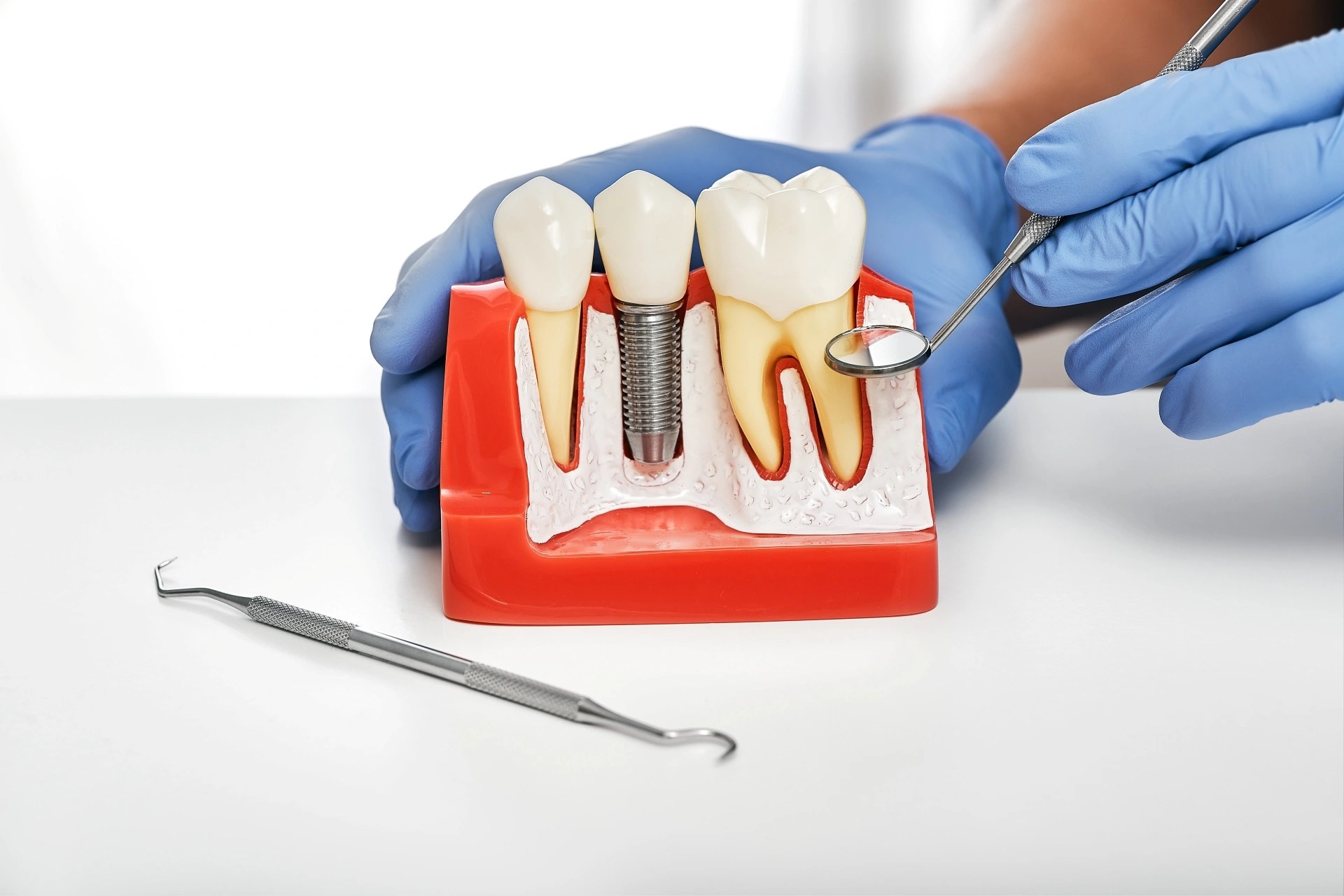
Implant problems rarely come down to one single cause. Bone quality, smoking, uncontrolled diabetes, gum disease, and poor oral hygiene can all increase the risk. Sometimes the bite places too much pressure on the implant. In other cases, bacteria around the gums gradually affect the supporting tissue.
That’s why every patient is different. Instead of looking for someone or something to blame, we focus on understanding why the problem developed so we can recommend the right treatment.
Is Your Implant Healing Normally?
One of the easiest ways to judge healing is to look at the overall pattern of improvement over time. Observing changes in the condition can provide crucial insights into how effectively someone is recovering.
A little soreness during the first few days is expected. What isn’t expected is pain that suddenly becomes worse after you seemed to be recovering, swelling that returns, or bleeding that continues well beyond the normal healing period.
Some of the earliest signs of a failed dental implant are subtle. They’re simply your body’s way of telling you that healing isn’t moving forward the way it should.
What to Do If You Think Your Implant Is Failing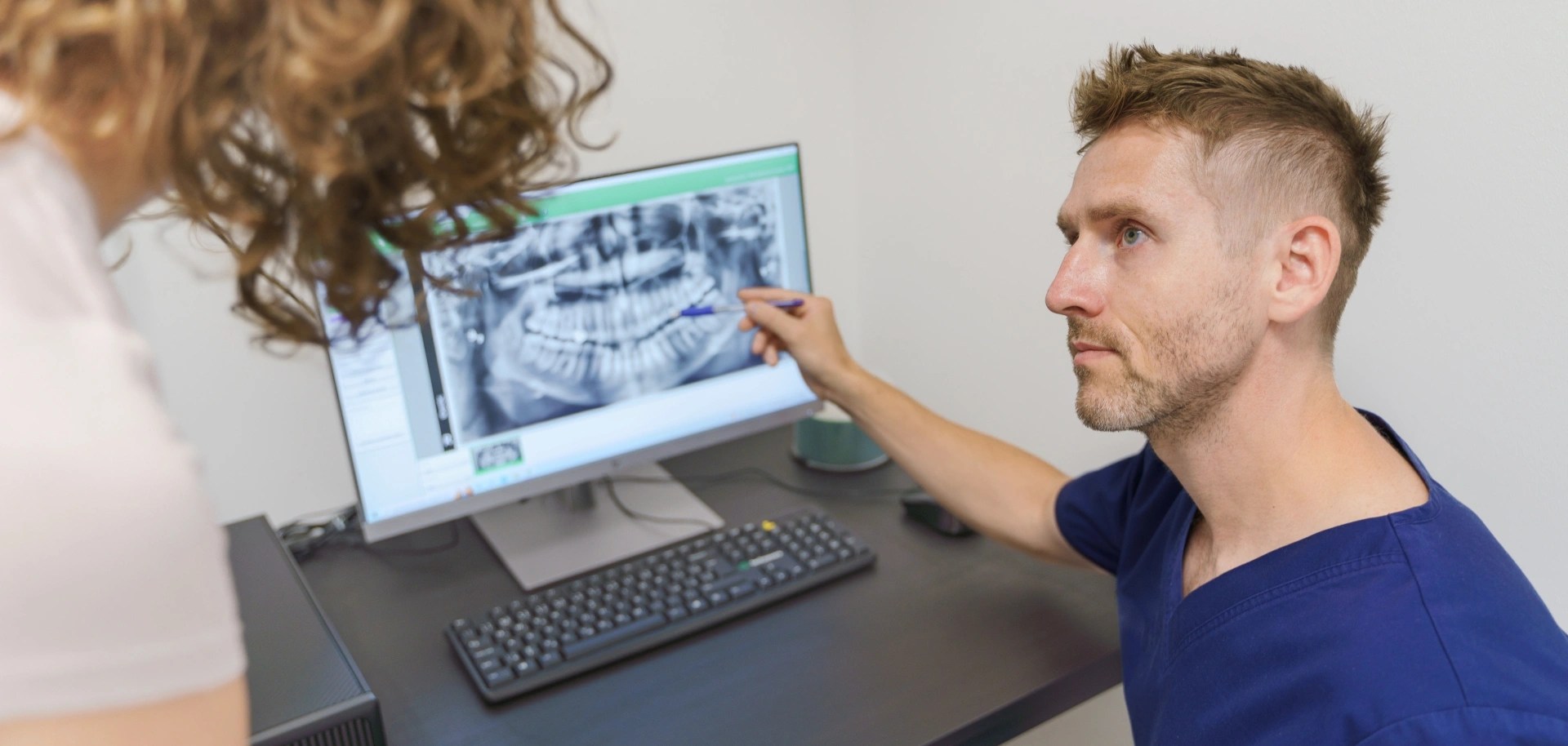
If you notice persistent pain, drainage, worsening swelling, or a loose feeling around your implant, contact your surgeon or dentist rather than waiting for your next routine appointment. Until you are evaluated, avoid chewing on that side, continue cleaning the area gently, and do not try to move or adjust the implant yourself. An examination and imaging can help determine whether the issue involves the gums, bone, bite, restoration, or implant.
At Premier Oral, the first step is to understand what is causing the problem rather than assuming the implant needs to be replaced. The evaluation may include examining the implant, assessing the surrounding bone, reviewing your healing, and determining the most appropriate next step. Early evaluation can help preserve healthy bone and keep more treatment options available.
How to Protect Your Implant After Placement
Good implant care continues after surgery. Brush and floss as directed, attend your follow-up appointments, and follow your surgeon’s post-operative instructions. Patients who smoke, have diabetes, or have a history of periodontal disease may need closer monitoring.
Regular care and timely evaluation can help identify potential problems before they become more difficult to manage.
FAQs
What are the most common signs of dental implant problems?
Persistent or worsening pain, swelling, red or tender gums, bleeding, drainage, gum recession, or an implant or restoration that feels loose should be evaluated by your dental team.
Are “implant rejection symptoms” common?
True allergic reactions to titanium implants are uncommon. What patients describe as “rejection” may instead be related to inflammation, infection, or problems with healing around the implant.
How soon can dental implant failure happen?
Problems can occur at different stages. Some develop during the initial healing period if the implant does not properly integrate with the jawbone, while other complications can develop months or years later.
Can bone loss affect a dental implant?
Yes. The bone surrounding an implant provides important support. Inflammation around an implant can affect the supporting bone, and progressive bone loss can compromise implant stability.
Early Action Matters
Most dental implants heal successfully, but changes such as persistent pain, swelling, looseness, or other unusual symptoms should not be ignored. An evaluation can help determine whether you are experiencing a normal part of healing or a complication that needs attention.
If something does not feel right around your dental implant, book a consultation with Premier Oral. Our team can evaluate the implant, identify the cause of your symptoms, and discuss the appropriate next steps.
Comments are closed.