
How Long Do Dental Implants Actually Last?
Implants are a major investment. They are followed by hesitation and doubts. Are the promises real or vague? How long will it take? Is it a permanent or a temporary solution? These questions are quite common when implants are suggested.
The question of how long dental implants last usually hinges on two factors: how long the implant itself can remain in place, and how long the crown or denture attached to it will last. The answer is always encouraging but a little more nuanced than many people expect.
In this blog, we guide you through the durability of dental implants, how they should be maintained and cared for, and what a lasting lifetime impact actually depends on.
The Short Answer: Dental Implants Are Designed for Long-Term Success
Today, dental implants are the best long-lasting option for tooth replacement.
At Premier Oral, we describe implants as a durable, natural- looking solution. They can last a lifetime with proper placement and care. The full-arch implant restorations continue to show long-term success decades after treatment.
An implant usually lasts for a lifetime. Their long-term success depends on their care and maintenance. It also depends on various factors, such as how well the implants heal, how they’re maintained, and how healthy the surrounding bones and gums are.
What Actually Lasts? The Implant and the Crown Aren’t the Same Thing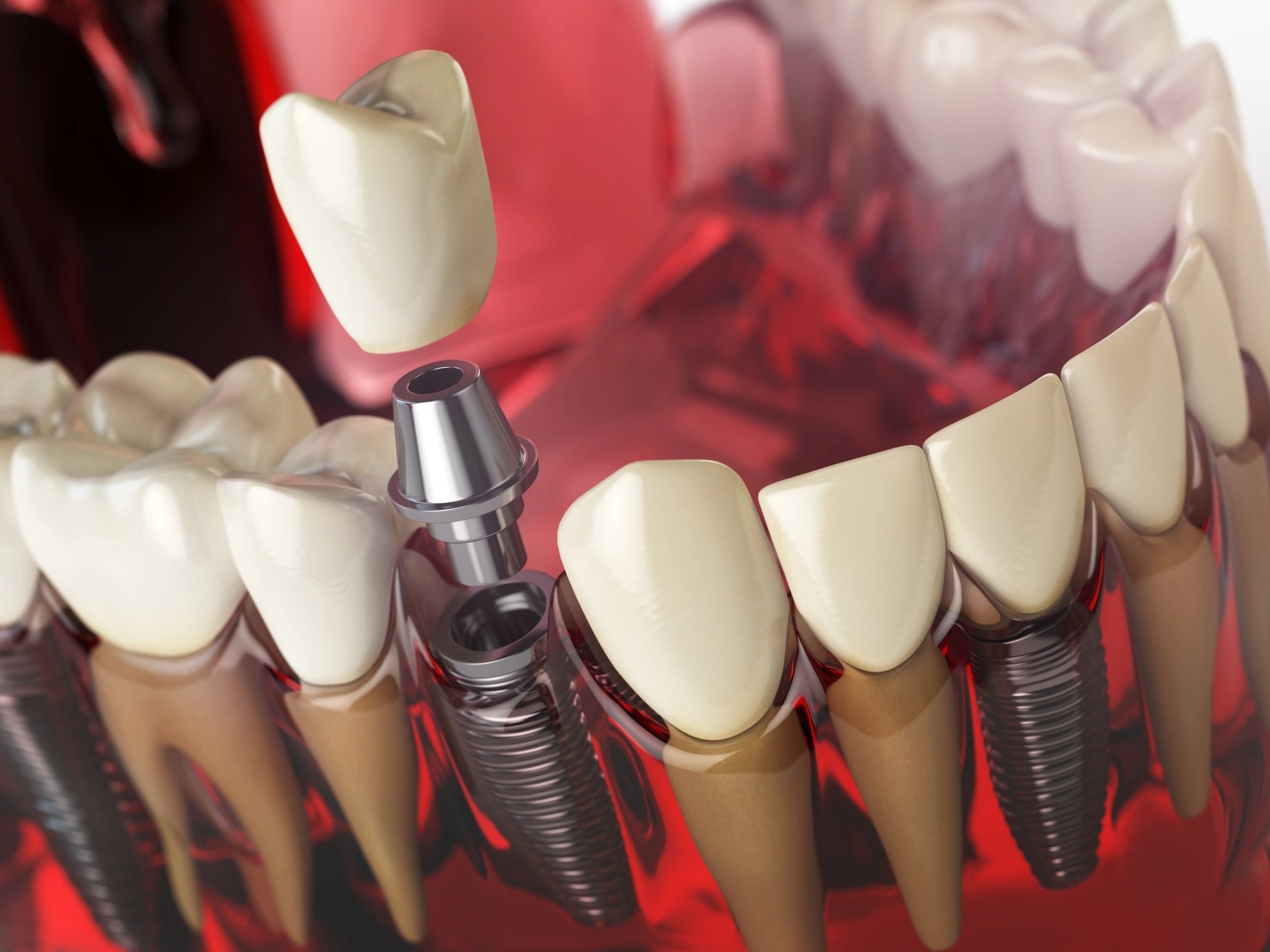
One of the biggest misconceptions about dental implants is that every part of the restoration follows the same timeline. The dental implant is a titanium post placed into the jawbone. Over time, it bonds with the surrounding bone. This becomes the foundation for the replacement tooth. The visible tooth above the gum line is the restoration. It is usually a crown, bridge, or denture.
All these distinctions matter for the lifespan of the dental implant. In most cases, the implant post remains healthy for decades. The restoration attached to it may need adjustment or replacement. Just like a natural tooth restoration, this also occurs due to normal wear.
It clearly doesn’t mean that the implant has failed. It only means that one part of the restoration has reached the end of its expected lifespan. The implant underneath continues functioning normally. Once the difference is understood, patients can set more realistic expectations.
What Helps Dental Implants Last Longer?
Although implants are built to be durable, long-term success depends on more than the implant alone. Daily care of the implants plays a really important role. At Premier Oral, we emphasize that proper placement and maintenance work together to support implant longevity.
Another important factor is bone health. A healthy jawbone provides the stable support that the implants need over the years. So careful pre-planning is really important. A long-term successful implant requires the same healthy habits as natural teeth. For example, brushing twice a day, flossing carefully around the implant, going for routine professional cleanings, and following your surgeon’s recommendations. Bite plays an integral role too. Applying even pressure across the teeth helps prevent unnecessary stress on the implant and surrounding bone.
The longevity of an implant is never the result of luck. They are the result of thoughtful treatment planning followed by consistent everyday care.
Why the Implant Process Matters Just As Much As the Implant
Patients usually focus on the type of implants they receive, but a long-term successful implant begins with its process. The process starts with a comprehensive evaluation of your oral health, medical history, and jawbone condition. 3D Imaging allows surgeons to determine whether the bone can properly support an implant. They also help us understand whether additional treatment may be needed beforehand.
At Premier Oral, we plan everything around the patient’s individual anatomy and long-term goals. Every step from the timing of implant placement to bone quality and surgical precision plays a role in the healing of the implants.
This is also why we believe that dental implant durability isn’t just about the materials being used. It’s about careful diagnosis, thoughtful treatment planning, and precise surgical placement from the very beginning. All steps combined contribute to the long-term success of implants.
Why Dental Implants Often Outlast Other Tooth Replacement Options
When different treatment options are suggested, patients usually compare them on the basis of treatment longevity. Implants are often compared with bridges and dentures. Dental implants are generally chosen because they are designed for a long-term solution.
Unlike traditional bridges or removable dentures, implants become part of the jaw by integrating with the surrounding bone. This support helps preserve bone structure while creating a stable foundation for replacement teeth.
Bridges and dentures can also be excellent treatment options for many patients. However, they often require adjustments, repairs, or replacement sooner than the implant itself. This is one reason why many people choose implants.
The decision usually centers on choosing a solution that will continue to support your oral health in the future, rather than just replacing a missing tooth in the present.
What Should “Dental Implant Durability NJ” Really Mean?
When patients search for dental implant durability in NJ, they’re usually looking for reassurance of a long-lasting treatment. Long-term durability doesn’t come from implants alone. It comes from careful planning, healthy bone support, precise surgical placement, and consistent follow-up care after treatment.
At Premier Oral, implant planning includes evaluating bone quality, reviewing your overall health, and discussing the factors that may influence healing before surgery begins. Follow-up appointments are also really important. For example, regular examinations allow small concerns to be identified early. For most patients, durability cannot be assured by just one appointment. It’s built over years through thoughtful treatment and ongoing maintenance.
Signs Your Implant May Need Attention
Dental implants are designed to last a long time. They shouldn’t be ignored once the treatment is complete. If the crown begins to feel loose, the bite changes, or the gums around the implant become swollen or irritated, then it’s really important to schedule an evaluation.
These changes do not mean that the implant has failed. In many cases, the underlying implant remains healthy. The restoration or surrounding tissues develop some minor issues.
When we address these small problems early, we often help protect the overall dental implant lifespan. It also prevents more complicated treatment later. Routine follow-up appointments make it easier to track these issues before they affect the implant’s long-term success.
The Best Answer Is Long-Term, Not Forever by Default
The longevity of dental implants does not have a specific time span or simple answers. Instead, it depends entirely on how well the implant is placed, how it heals, and how it’s cared for over time.
So if you’re considering dental implants, then a valuable conversation would consider how well the process is followed by the patients and the surgeons to support the best possible long-term outcome.
At Premier Oral and Maxillofacial Surgery Group, we’re here to help you understand your options, evaluate your bone health, and create a treatment plan that is built around long-lasting results.
So schedule a consultation with our team at Premier Oral to learn whether dental implants are the right option for you.
Comments are closed.