
Impacted Canines: How Oral Surgeons Work With Orthodontists to Fix Them
Many families find out about an affected canine by accident. Someone goes in for braces. An X-ray is taken. Then comes the unexpected news: a canine tooth isn’t coming in the way it should.
That can sound alarming at first, especially when an oral surgeon enters the conversation, but impacted canine teeth are something orthodontists and oral surgeons deal with regularly. Just as important, this doesn’t automatically mean surgical tooth removal.
In many cases, the goal is actually to help the tooth become part of the smile. That usually takes planning, teamwork, and a clear understanding of where the tooth is hiding and how to guide it into place. This blog covers how oral surgeons and orthodontists work together to treat impacted canines, from diagnosis and exposure to guiding the tooth into place.
Why Canine Teeth Matter
Canine teeth tend to get more attention when they’re missing than when they are present. They are the pointed teeth near the corners of the smile. Besides appearance, they help support the bite and influence how the teeth fit together when chewing.
Because of that, orthodontists watch them closely. When impacted canine teeth don’t erupt as expected, the first question is often whether the tooth can still be brought into position, and in most cases, the answer is yes.
What It Means When A Canine Tooth Is Impacted
Normally, teeth follow a path into the mouth. An impacted tooth gets stuck somewhere along the way. It may be trapped beneath the gums, blocked by another tooth, or positioned at an angle that prevents it from erupting normally. Sometimes there isn’t enough room for it, while at other times, the tooth simply develops in an unexpected direction.
Interestingly, many patients never feel a thing. The problem is often discovered during routine orthodontic imaging rather than because of symptoms. That’s one reason early evaluation can be helpful. Finding the issue sooner often creates more options later.
Why An Orthodontist May Refer You To An Oral Surgeon
A referral doesn’t necessarily mean something has gone wrong. More often, it means the orthodontist needs help with a specific part of the treatment plan. The orthodontist usually focuses on creating space and planning how the tooth should fit into the smile. The oral surgeon helps make the tooth accessible when it can’t erupt on its own.
This is where people often learn that exposure of impacted teeth is very different from surgical tooth removal. One approach helps the tooth move into position. The other removes it. At Premier Oral, our surgeons regularly coordinate with orthodontists so treatment stays organized from beginning to end.
Exposure Of Impacted Teeth: What The Procedure Does
The term sounds more complicated than the procedure feels. Exposure of impacted teeth simply means uncovering a tooth that remains hidden beneath the gums.
Once the tooth is accessible, the surgeon may attach a small orthodontic bracket and chain. That attachment gives the orthodontist a way to gradually guide the tooth into position over time.
Think of the procedure as creating access. The surgeon exposes the tooth while the orthodontist handles the movement. For many patients, that teamwork helps preserve a tooth that otherwise would never fully erupt.
What Happens Before Canine Tooth Surgery
Most of the preparation happens before anyone enters the treatment room. Imaging helps show where the tooth is located and how close it is to nearby roots, bone, and surrounding teeth. Our team also reviews medical history, medications, allergies, and comfort concerns. Depending on the situation, anesthesia options may also be discussed.
By the time canine tooth surgery is scheduled, patients should have a clear understanding of the plan and an opportunity to ask questions.
What Actually Happens During The Surgical Appointment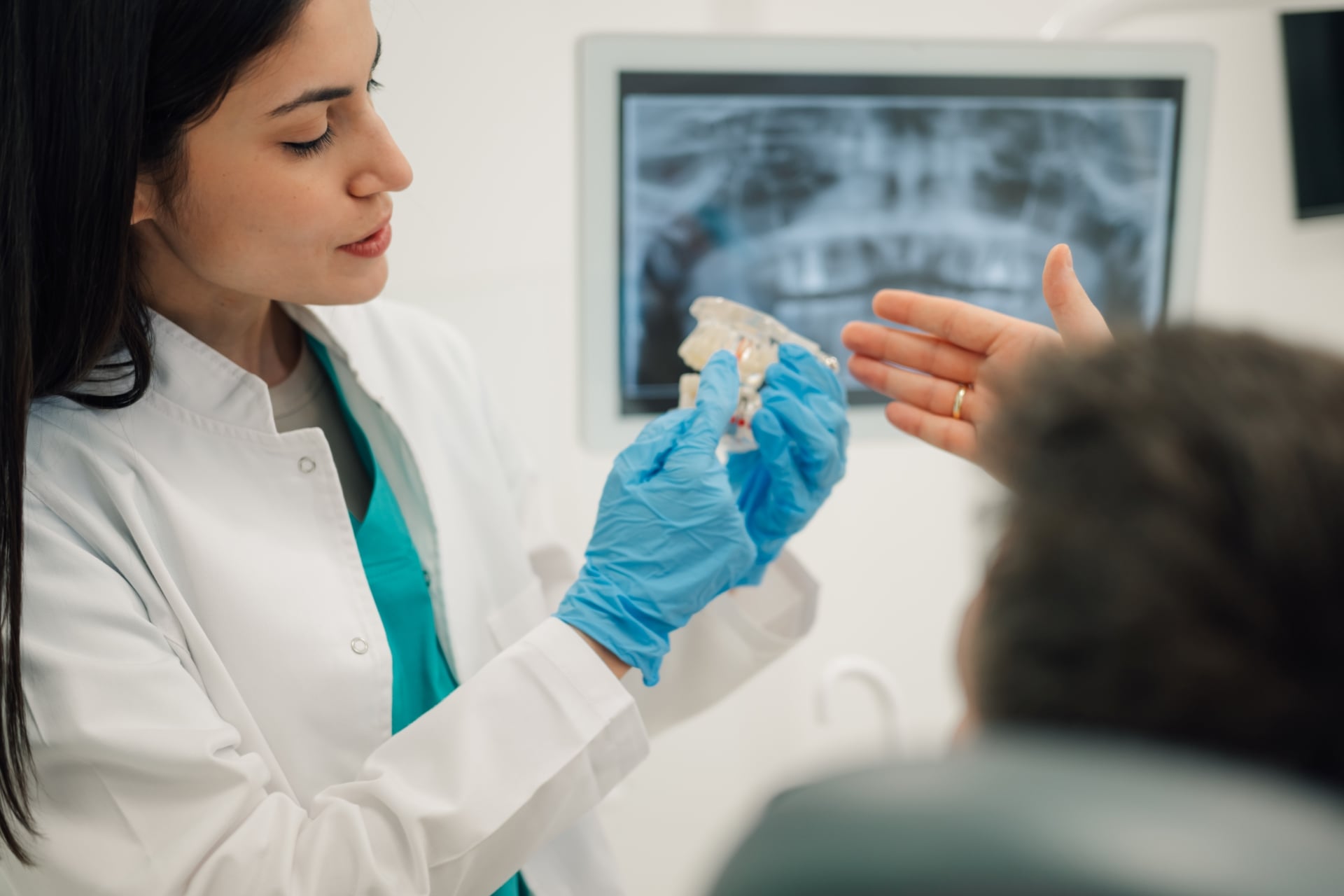
The first priority is comfort. The area is numbed, and sedation may be used when appropriate. The surgeon then carefully uncovers the impacted tooth. If the orthodontic plan requires it, a small bracket and chain may be attached during the same appointment. In some situations, a baby tooth that never fell out may also be removed.
The procedure itself is usually focused and precise. Every step is designed to support the next phase of orthodontic treatment.
How Orthodontic Movement Happens After Surgery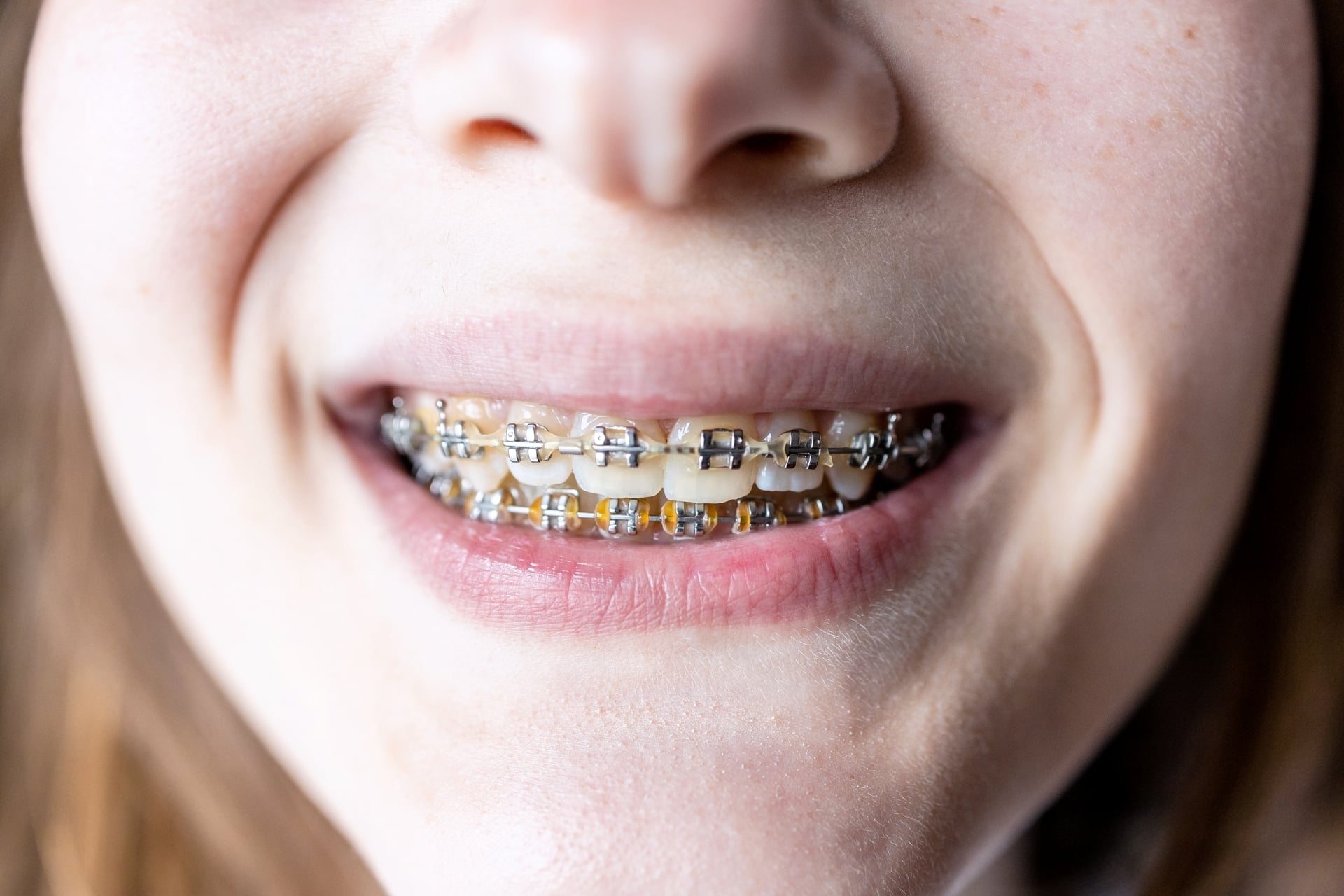
The surgery creates the opportunity. The orthodontic treatment creates the movement. After exposing the impacted teeth, the orthodontist gradually applies gentle force to encourage the teeth to move.
This doesn’t happen overnight. Some teeth respond quickly while others take longer. Age, tooth position, and the overall treatment plan all influence the timeline. What remains consistent is the collaboration between the surgeon and orthodontist throughout the process.
FAQs
Are Impacted Canine Teeth Always Removed?
No. Many impacted canine teeth can be exposed and guided into position rather than removed.
Is Exposure Of Impacted Teeth The Same As Surgical Tooth Removal?
No. Exposure creates access to the tooth. Surgical tooth removal involves removing the tooth.
What Happens During Canine Tooth Surgery?
The surgeon uncovers the tooth and may attach a bracket and chain to support future orthodontic movement.
Why Do Oral Surgeons And Orthodontists Work Together For This?
The surgeon provides access to the tooth while the orthodontist guides it into position.
How Long Does It Take For The Tooth To Move Into Place?
The timeline varies depending on the tooth’s location, the orthodontic plan, and the tooth’s response to treatment.
A Clear Plan Before Treatment
Hearing that a canine tooth is impacted can be surprising. The encouraging part is that treatment often focuses on helping the tooth join the smile rather than removing it. The two procedures play distinct roles in the process; however, they tend to yield better results when combined. Whereas surgical extraction may be necessary, it doesn’t always have to be the final answer.
At Premier Oral, our priority is to conduct a detailed assessment, collaborate with the referring orthodontist, and ensure patients are fully informed at every stage prior to any procedure.
Schedule a consultation with Premier Oral to evaluate an impacted canine, review the orthodontic plan, and understand whether exposure, monitoring, or another surgical option is the right next step.
Comments are closed.