
Oral Surgeon vs. Dentist: Key Differences and When You Need a Specialist
A lot of people feel confused when the word specialist suddenly comes up during a dental visit. We often go to the dentist expecting a routine conversation or a filling. However, when a dentist suddenly recommends seeing an oral surgeon, it can feel intimidating.
Honestly, the confusion around oral surgeon vs. dentist is incredibly common. Both professionals play an important role in protecting oral health. Both work with teeth, gums, and the mouth, but their training and the type of treatment they provide are quite different. Most of the time, a referral does not mean anything alarming. It simply means the issue may need surgical evaluation, advanced imaging, or a different level of specialty care.
So in this blog, we explain that difference more clearly. The difference between an oral surgeon and a dentist. When should you consult them, and how can they better help you with the process?
What A General Dentist Typically Does
For most people, the dentist is the professional they see regularly throughout their life. Their work includes cleanings, examinations, fillings, and monitoring gum health. They evaluate changes in the mouth over time, manage overall oral health, and help patients stay ahead of problems before they become bigger issues.
According to the American Dental Association, dentists are doctors who diagnose and treat conditions involving oral health. Dentists are often the first people to notice when something needs closer attention.
This is where the dental specialist comparison sometimes becomes important. A general dentist may identify impacted wisdom teeth, bone loss, jaw concerns, or oral lesions during routine care. They then refer the patient to a specialist for the surgical part of the treatment.That referral is usually part of a carefully coordinated treatment plan. It’s definitely not a sign that your dentist cannot handle the situation.
What An Oral Surgeon Does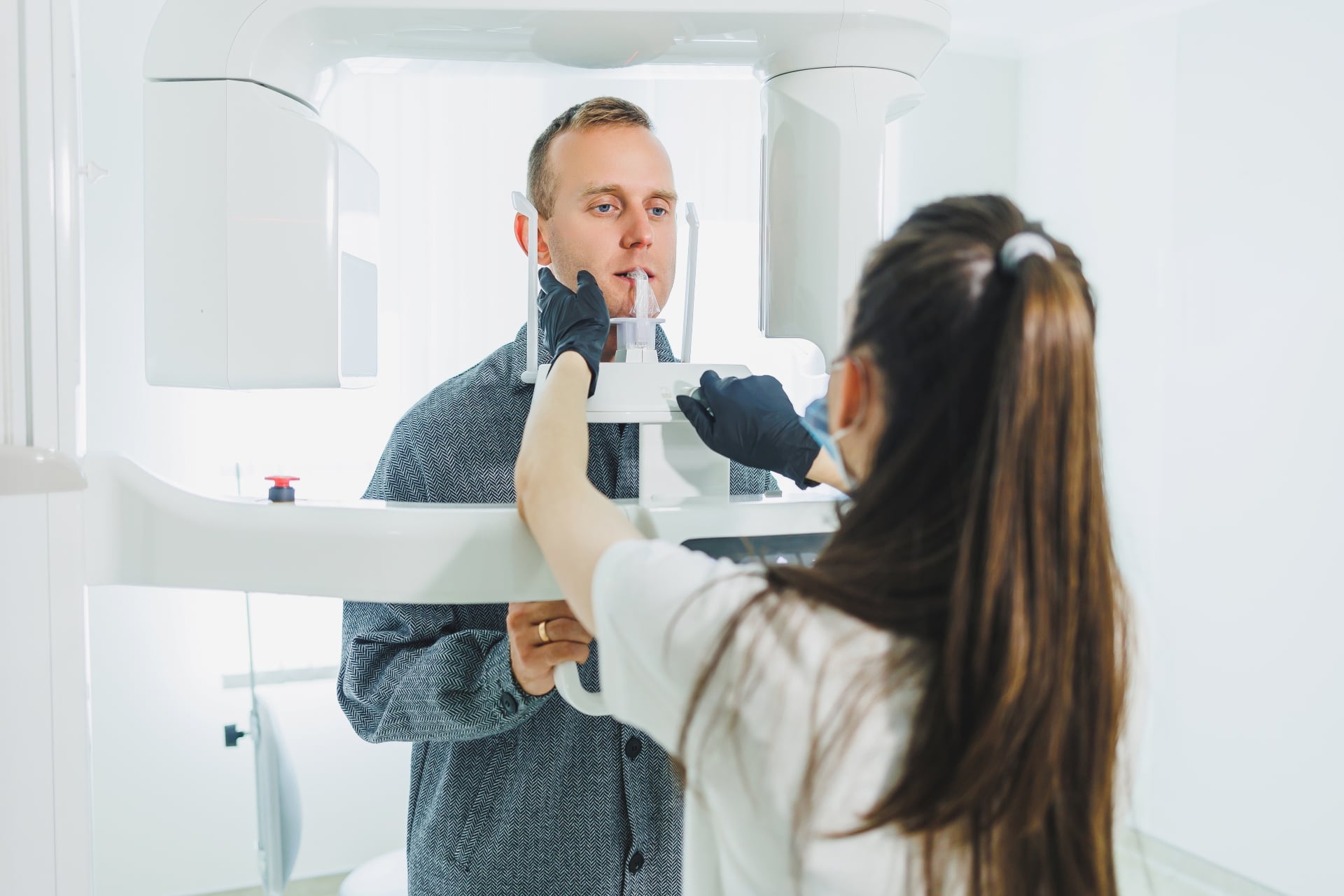
An oral and maxillofacial surgeon focuses specifically on surgical care involving the mouth, jaws, facial bones, and surrounding structures. You may also hear the term maxillofacial surgeon, which refers to the same specialty. These specialists commonly perform procedures such as wisdom teeth removal, surgical tooth extractions, bone grafting, facial trauma care, and TMJ-related surgical procedures.
At Premier Oral and Maxillofacial Surgery Group, our team provides surgical care ranging from dental implants and wisdom teeth removal to jaw surgery and facial pain evaluation.
Why Oral Surgeon Training Is Different
The differences often become clearer when patients understand the training involved. After dental school, oral surgeons complete advanced residency-based oral surgeon training focused on surgery involving the teeth, jaws, mouth, and facial structures.
Oral and maxillofacial surgery residency programs include years of hospital-based surgical and anesthesia training. That advanced training becomes especially important when treatment involves impacted teeth, jawbone structures, facial anatomy, sedation, or complex surgical planning.
Most patients are not thinking about credentials during a consultation. They are thinking about comfort, safety, and whether they can trust the doctor explaining the procedure. Understanding the level of specialty preparation behind oral surgery care often helps ease some of that anxiety.
Oral Surgeon vs. Dentist: The Real Difference
The easiest way to understand the difference between an oral surgeon and a dentist is by thinking about the type of care each focuses on. Dentists manage broad oral health care. They diagnose problems, monitor long-term changes, and provide preventive and restorative treatment. Oral surgeons focus specifically on surgical diagnosis and treatment.
This dental specialist comparison helps patients understand the different areas of expertise within the same overall goal of protecting oral health. It’s never about being better than the other. In many cases, patients need both professionals during different stages of treatment.
Procedures Usually Handled By Oral Surgeons
Certain procedures almost always fall within oral surgery care. These include wisdom teeth removal, surgical extractions, dental implant placement, sinus lifts, bone grafting, oral pathology evaluation, biopsy procedures, facial trauma treatment, and corrective jaw surgery. Oral surgeons place implants surgically, while the final crown or restoration is often fabricated and placed later by the dentist or a restorative provider.
Premier Oral and Maxillofacial Surgery Group focuses specifically on surgical care. General dentistry services such as cleanings, fillings, and routine restorative treatments remain within the dentist’s scope of practice.
When A Specialist May Be The Right Next Step
There are situations where seeing a maxillofacial surgeon sooner may make sense. Those could include impacted wisdom teeth, severe tooth damage requiring surgical removal, jaw swelling, missing teeth with implant interest, suspicious oral lesions, facial injury, or jaw alignment concerns.
These problems do not automatically mean something serious is happening. They simply deserve careful evaluation by someone with advanced oral surgeon training in surgical anatomy and treatment planning.
FAQs
What Is The Main Difference Between An Oral Surgeon And A Dentist?
A dentist provides broad oral health care, including prevention, diagnosis, maintenance, and restorative planning. An oral surgeon focuses on surgical care involving the teeth, jaws, mouth, facial bones, and related tissues.
Does Seeing An Oral Surgeon Mean I Need Surgery?
Not always. A consultation may involve an exam, imaging, diagnosis, or discussion of options before any treatment is recommended.
What Does Oral Surgeon Training Include?
Oral surgeon training includes dental school, followed by advanced surgical residency in oral and maxillofacial surgery, with experience in surgical care, anesthesia, and the management of complex conditions of the mouth, jaw, and face.
The Right Professional Depends On The Care You Need
The difference between an oral surgeon and a dentist really comes down to training, scope of practice, and the type of treatment provided. Dentists are essential for long-term oral health and preventive care. Oral surgeons provide advanced surgical care when the condition requires specialty expertise. Most importantly, the two professionals often work together far more than patients realize.
So if you have been referred to a specialist or are unsure whether oral surgery care may be appropriate, schedule a consultation with Premier Oral and Maxillofacial Surgery Group to better understand your options and what the next step may look like.
Comments are closed.