
Implant-Supported Overdentures vs. Traditional Dentures: Which Is Right for You?
Choosing between traditional dentures and implant-supported overdentures is an important decision, especially if you are replacing a full set of missing teeth or looking for a more secure alternative to dentures that no longer feel comfortable. Both options can restore your smile, but they differ in support, daily use, and treatment.
Traditional dentures rest directly on the gums and can be removed for cleaning, while implant-supported overdentures attach to dental implants placed in the jaw. That added support can make a noticeable difference for some patients, particularly when denture movement affects eating or speaking. At the same time, implants involve surgery and additional treatment, so they are not automatically the right choice for everyone.
In this blog, we’ll compare traditional dentures and implant-supported overdentures, including stability, jawbone support, treatment steps, cost, and which option may better fit your needs.
Why This Comparison Matters So Much
Replacing a full set of teeth is a big decision, and one of the first questions we hear is, “Should I get traditional dentures or something supported by implants?” It’s a fair question because living with missing teeth affects much more than your smile.
Even eating, talking, and being at ease in social settings may become a daily struggle. Whether you have struggled with ill-fitting dentures or are weighing your options for the first time, knowing the pros and cons of an implant overdenture versus a conventional denture may make a difference.
What Traditional Dentures and Implant-Supported Overdentures Actually Are
Traditional dentures are removable appliances that replace missing teeth and rest directly on the gums. They can be taken out for cleaning, and many patients adjust well to wearing them. For others, changes in the shape of the jaw over time can affect how comfortably the dentures fit.
Implant-supported overdentures work differently. Instead of relying on the gums alone for support, the denture attaches to dental implants placed in the jawbone. The overdenture remains removable for cleaning, while the implants provide additional stability during everyday activities such as eating and speaking.
Snap In Dentures vs Traditional: The Differences
One of the clearest differences between traditional dentures and implant-supported overdentures is how secure they feel during everyday activities. Traditional dentures rest on the gums, so some patients may notice movement while eating or speaking. They may also avoid certain foods or use denture adhesives to help keep their dentures in place.
When comparing snap-in dentures vs traditional dentures, stability is often an important consideration. An implant-supported overdenture attaches to implants in the jaw, giving it additional support during daily activities. For many patients, that added stability can make eating and speaking feel more comfortable and give them greater confidence throughout the day.
Why Stability Changes the Whole Experience
A denture that moves even slightly can affect more than comfort. It can make meals less enjoyable, conversations more stressful, and simple moments feel frustrating.
That’s why many patients begin looking at an implant-supported overdenture as a permanent denture alternative. While it can still be removed for cleaning, it’s supported by implants instead of resting only on the gums. The added stability helps reduce unwanted movement and gives many people greater confidence during everyday activities. For someone who’s struggled with a loose denture for years, that difference can be significant.
How These Options Affect Jawbone and Long-Term Oral Support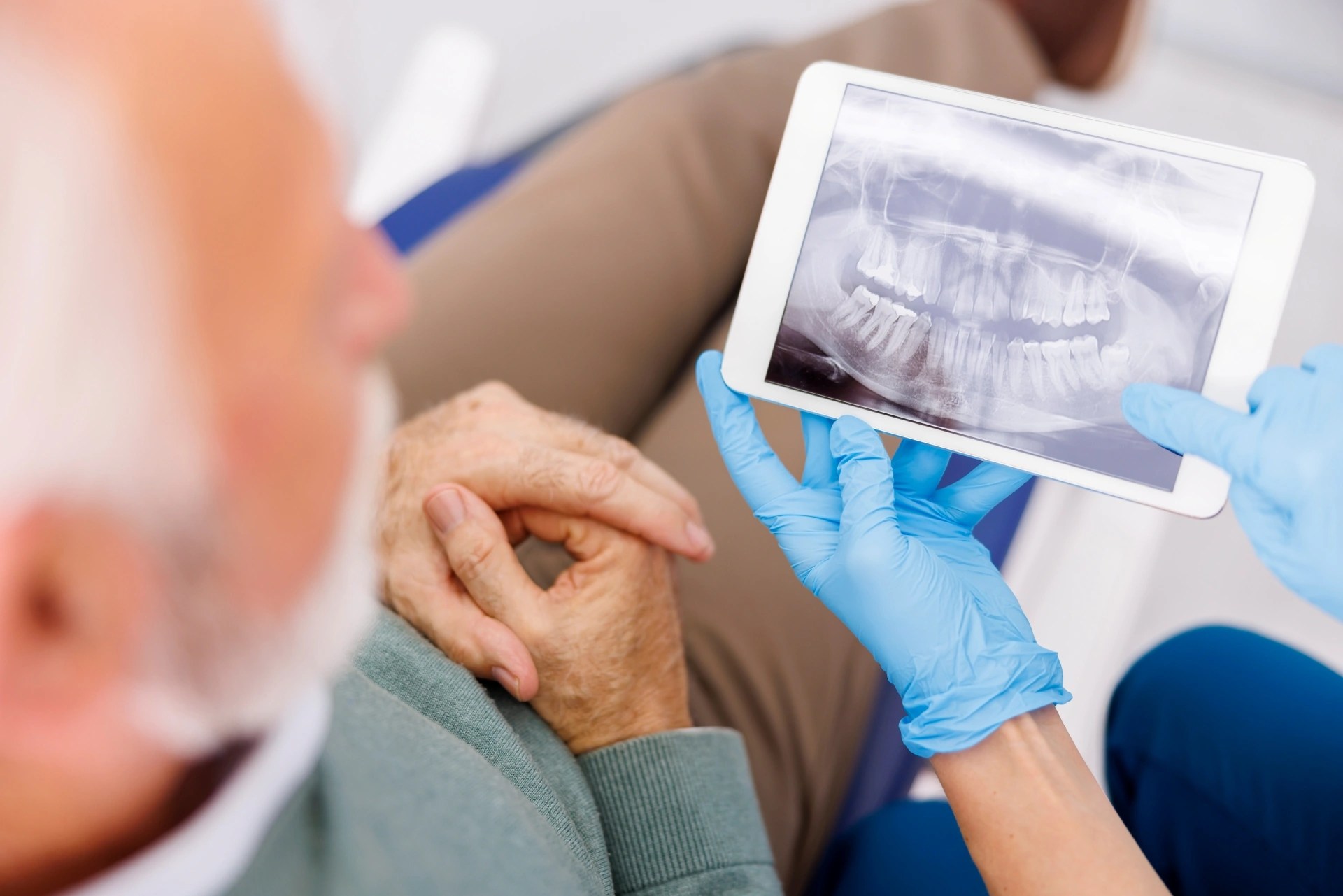
One part of tooth loss isn’t always obvious because it happens below the surface. After teeth are lost, the jawbone slowly begins to shrink because it no longer receives the stimulation that natural tooth roots once provided.
Dental implants become part of the jawbone, helping preserve its shape over time. Traditional dentures replace missing teeth, but they don’t prevent the same gradual bone changes. Depending on your bone condition, an implant-supported overdenture may also reduce the need for extensive bone grafting compared with other full-arch implant options. That’s one reason many patients consider it when they’re looking for a long-term solution rather than simply replacing missing teeth.
Treatment Steps: What Patients Should Expect
The treatment process differs between traditional dentures and implant-supported overdentures. Traditional dentures do not require implant surgery, while implant-supported overdentures involve placing implants in the jaw and allowing time for them to heal before the final denture is attached. This means implant-supported treatment typically involves more planning and a longer treatment timeline.
At Premier Oral, the process begins with a thorough consultation, 3D imaging, and a review of your medical history. This helps the team evaluate your bone structure and determine whether implants are appropriate for you. In some cases, temporary teeth may be provided during the healing period, so you can continue your daily life while your treatment progresses.
Which Option May Be Right for You?
Traditional dentures may suit patients who prefer to avoid surgery, want a lower initial cost, or are not ready for implant treatment. They remain a reliable option when your health history, treatment needs, or personal preferences make them the better fit.
An implant-supported overdenture may be worth considering if you want greater stability, especially if you have experienced movement while eating or speaking. For patients considering implant dentures in Bergen County, at Premier Oral we will evaluate your jawbone, overall health, and treatment needs to determine whether implants are appropriate.
The goal is to choose the option that best fits your health, preferences, and everyday needs.
FAQs
What is an implant supported overdenture?
It’s a removable denture that attaches to dental implants, providing more stability than one that rests only on the gums.
How is snap in dentures vs traditional different in everyday life?
Implant-supported dentures usually feel more secure while eating and speaking, whereas traditional dentures are more likely to shift.
Are implant dentures always permanent?
Not necessarily. The term often refers to a more stable solution, but the final design depends on your individual treatment plan.
Will I still need bone grafting?
Possibly. Some patients do, while others don’t. The answer depends on your bone structure, which is evaluated during your consultation.
Your Next Step
There is no single right choice between traditional dentures and implant-supported overdentures. The best option depends on your oral health, preferences, budget, and how you want your dentures to function day to day.
Ready to explore your options? Book a consultation with us to discuss your needs and create a personalized treatment plan.
Comments are closed.