
When Jaw Infections Require Surgical Treatment
Tooth pain is one of the most common concerns we encounter in daily life. Very often, we ignore the pain and go forward with our lives. Issues like swelling in the jaw or cheek, left unchecked for long periods, can substantially affect chewing.
Infections in the mouth can sometimes remain localized, but in other cases, they affect the surrounding tissue, jawbone, or an impacted tooth. Jaw infection treatment may involve more than medication alone when the infection source is trapped, spreading, or damaging nearby bone.
This blog will explain the causes of serious jaw infections, the need for surgical intervention, and the treatment involved.
What Can Cause a Jaw Infection in the First Place?
The most common sources of infection are easy to spot. It may begin around a badly infected tooth, an impacted wisdom tooth, or even a frequent problem associated with wisdom teeth.
Pericoronitis is a localized gum infection around an impacted wisdom tooth, which causes frequent problems related to wisdom teeth. It may cause pain, swelling, and difficulty in chewing and swallowing.
A bacterial infection, such as osteomyelitis in the jawbone and bone marrow, is also a cause of jawbone deterioration. It can cause permanent bone damage if not treated right away. Common causes of facial swelling include infection or an impacted tooth.
Warning Signs That an Infection May Need Surgical Evaluation
Some symptoms are like warning signs and should never be ignored. Any ongoing or worsening swelling in the jaw, cheek, or side of the face is uncommon and should be evaluated by a doctor.
Ongoing pain around the jaw and cheek is often not taken seriously, but in many instances, it can have serious repercussions. Severe pain, throbbing, or pain that is not improving, causing difficulty chewing, swallowing, or opening the mouth normally, also needs attention. Gum irritation or recurrent infection around a partially erupted wisdom tooth should not be ignored.
At Premier Oral, our post-extraction instructions recommend that patients call the office if the swelling persists for two to three days or if they experience severe pain or a medication allergy.
When Jaw Infection Treatment Becomes Surgical Instead of Conservative
While some infections may respond to medication and close monitoring, others require treatment of the source of infection.
A surgery may be recommended when the tooth cannot be saved or when an impacted wisdom tooth is repeatedly infected. In case of pus drainage or the removal of an infected bone, surgery becomes necessary.
Infections such as osteomyelitis generally require antibiotics and removal of the affected bone. It is followed by bone grafting to restore bone function and growth. Jaw infection treatment is not a one-size-fits-all solution, but it depends on the cause, severity, and structures involved.
At Premier Oral, our expert team merges surgical expertise with patient-centered care to meticulously diagnose each case and recommend a care plan that best suits you.
How Impacted Wisdom Teeth and Jawbone Infections Fit Into the Picture
Impacted wisdom teeth can create a hard-to-clean area if the infection keeps recurring. It causes facial swelling, tenderness, difficulty eating, and pericoronitis. If not checked on time, it can spread to other parts of the dental cavity and lead to a jawbone infection.
Jawbone infection is more serious because infection within the bone can reduce blood supply and damage the entire structure, making it hard to treat and requiring complicated procedures.
The treatment for a jaw infection may also involve wisdom tooth removal, management of infected bone, and support for reconstruction, such as bone grafting if needed.
At Premier Oral, our team is well-trained to handle all these procedures to ensure that your jaws and gums remain healthy and free from infections.
What Patients Can Expect During Evaluation and Treatment at Premier Oral
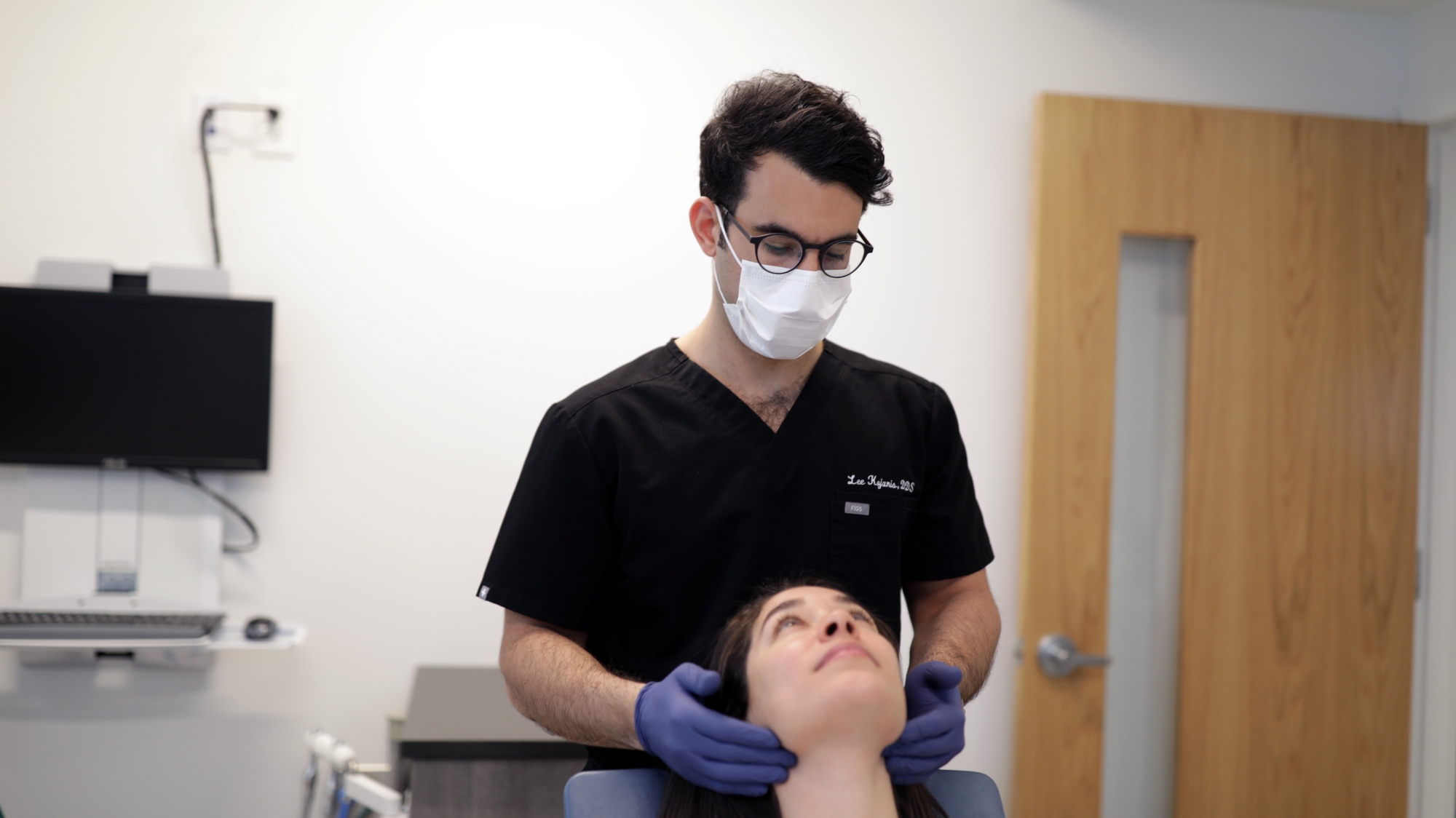
The evaluation of an infection involves a review of symptoms, imaging, exam findings, and identifying the source of the swelling or infection. At Premier Oral, we offer full support to the patients through a diverse range of services, such as oral pathology, tooth extractions, wisdom teeth care, and bone grafting. Our precise imaging technologies also help us identify the exact source of a jaw infection, enabling a more effective plan for your dental care.
Since your overall comfort is our first priority, we offer several anesthesia options depending on the procedure and your pain tolerance. Our goal is to provide optimal care and to keep you in the loop at every step of the procedure.
A typical treatment plan may involve medication, surgical removal of the source, infection control, and follow-up visit sto make sure the healing stays on track.
Recovery and Follow-Up After Surgical Infection Care
The recovery after the surgery depends on the source of infection and the type of treatment performed. Limitations on physical activity may be expected, along with soreness and swelling, after oral surgery.
At Premier Oral, we are fully aware that care does not stop after the surgery, and that is precisely why we provide a full after-care guide and follow-up support. The surgical instructions we provide emphasize medication guidance, oral hygiene, swelling management, and calling the office if symptoms worsen or do not improve as expected.
FAQs: Jaw Infections, Swelling, and Surgical Care
What are the most common causes of facial swelling related to oral health?
The most common causes for facial swelling include dental infections, impacted wisdom teeth, inflammation around erupting teeth, and jawbone infections.
Does every dental infection need surgery?
Np, some infections can improve with proper medication and dental care, but surgery may be necessary when the infection is trapped, spreading, or impacting the jawbone.
When is oral abscess surgery recommended?
Oral Abscess surgery is recommended when an infection collection needs drainage or when the source tooth must be treated directly.
Can infected wisdom teeth cause jaw swelling?
Yes, infected wisdom teeth may lead to jaw swelling, infection, pain, and trouble in chewing or swallowing.
What happens if the infection reaches the jawbone?
Jawbone infections are serious and require antibiotics and removal of the affected bone.
Early Jaw Infection Treatment Protects More Than the Tooth

Infections involving the jaw, surrounding tissues, or impacted teeth should never be ignored. Jaw infection treatment may range from antibiotic medications and close monitoring to drainage, removal of the source tooth, or infected bone treatment, depending on the diagnosis.
At Premier Oral, we help you deal with jaw pain, swelling, wisdom tooth infection concerns, oral pathology findings, or complex surgical needs.
Schedule a consultation with Premier Oral if you are dealing with jaw pain, persistent swelling, or signs of infection and want a clear plan for the safest next step.
Comments are closed.