
What Does a Maxillofacial Surgeon Do? Training, Scope, and When to See One
Some things come up when you’re not expecting it. A regular dental visit, nothing out of the ordinary, and then your dentist mentions a maxillofacial surgeon. For a lot of patients, that’s the point where things feel a little unclear.
The term itself sounds technical, but the idea behind it is more straightforward. A maxillofacial surgeon focuses on surgical care involving the mouth, jaw, face, and nearby structures. That’s different from routine dental care, which is mostly about keeping things healthy over time. So when a referral happens, it’s not about making things more serious. It’s about making sure the right kind of care is involved.
In this blog, we will discuss what a maxillofacial surgeon does, how their training and scope differ from a dentist’s, and when you may be referred for surgical care involving the mouth, jaw, face, dental implants, trauma, or reconstruction
Oral Surgeon vs Dentist: Where the Roles Begin to Separate
Your dentist is still your main point of care. Cleanings, fillings, and regular checkups all stay there, and for most people, that’s enough.
The difference between an oral surgeon vs dentist usually comes up when something needs a surgical approach. A maxillofacial surgeon works in areas that go a bit deeper, where planning and precision matter more.
It’s not a switch. It’s more like your dentist is bringing in someone who deals with that specific kind of situation every day.
What Training Does a Maxillofacial Surgeon Complete?
The training path is a big part of why this specialty exists in the first place. After dental school, a maxillofacial surgeon goes through several more years of hospital-based residency, typically ranging from four to six years.
During that time, they’re not just learning in a classroom. They are in the clinical setting, working in anesthesia, assisting in surgery, dealing with different case types, oral facial trauma, and maxillofacial trauma.
That experience changes how they approach treatment. It’s not just about the procedure itself, but how everything around it is handled as well.
What Falls Within the Scope of Oral and Maxillofacial Surgery?
A lot of people assume this field is mainly about extractions, but it’s wider than that. Yes, it includes wisdom teeth removal and more complex extractions, but it also covers dental implants, bone grafting, and jaw surgery. Surgeons also evaluate oral pathology when something doesn’t look typical. TMJ concerns and facial discomfort can also fall into this space. In general, it’s about treating conditions that involve both structure and function, not just individual teeth.
At Premier Oral, our team of experts not only is surgically adept but also is trained to prioritize patients’ concerns when providing treatment.
When a Patient May Be Referred to a Maxillofacial Surgeon
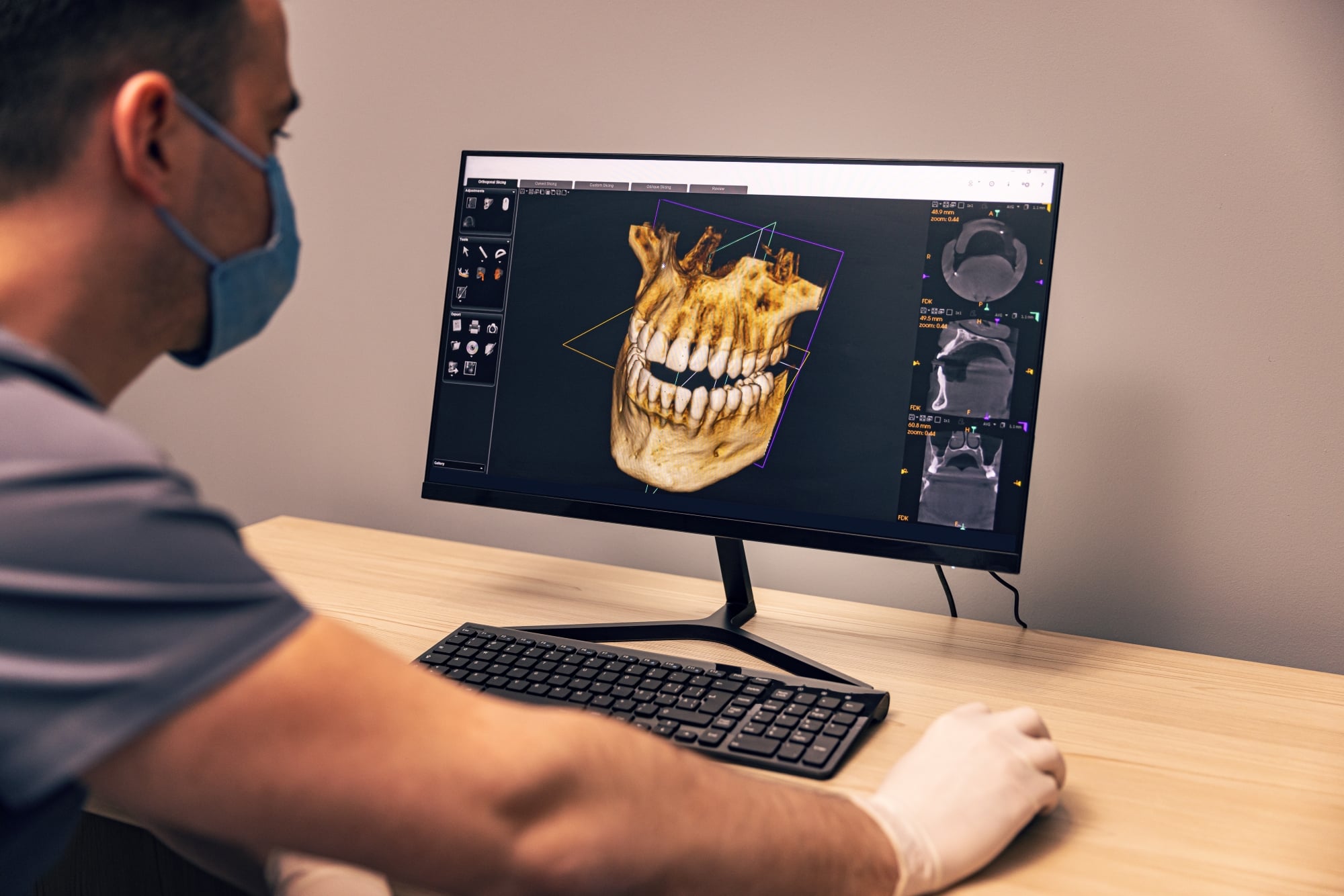
You may require the expertise of a maxillofacial surgeon for a variety of reasons. Impacted teeth are one of the most common. These are teeth that don’t come in normally and may sit close to nerves or bone. Dental implants are another reason, especially when bone grafting is needed before placement.
Jaw alignment issues can also lead to referral, particularly when the bite doesn’t function properly. And sometimes, it’s something small that just needs a closer look, like a change in tissue. In more involved cases, reconstructive oral surgery may be part of the plan, especially when both structure and function need to be restored.
How This Specialty Treats Facial Injuries and Fractures
This is the part that many patients don’t immediately connect with dentistry. A maxillofacial surgeon is also trained to manage oral and facial trauma.
That includes injuries to soft tissue and bone. Jaw fracture repair is one example where things need to be handled carefully. It’s not just about healing the bone, but making sure the jaw works properly afterward.
These cases often involve both immediate care and follow-up, depending on the situation. Our philosophy at Premier Oral lets us prioritize cases that need immediate attention and ensure you receive adequate care and personalized attention every step of your treatment plan.
When Does A Dentist Send You To A Specialist?
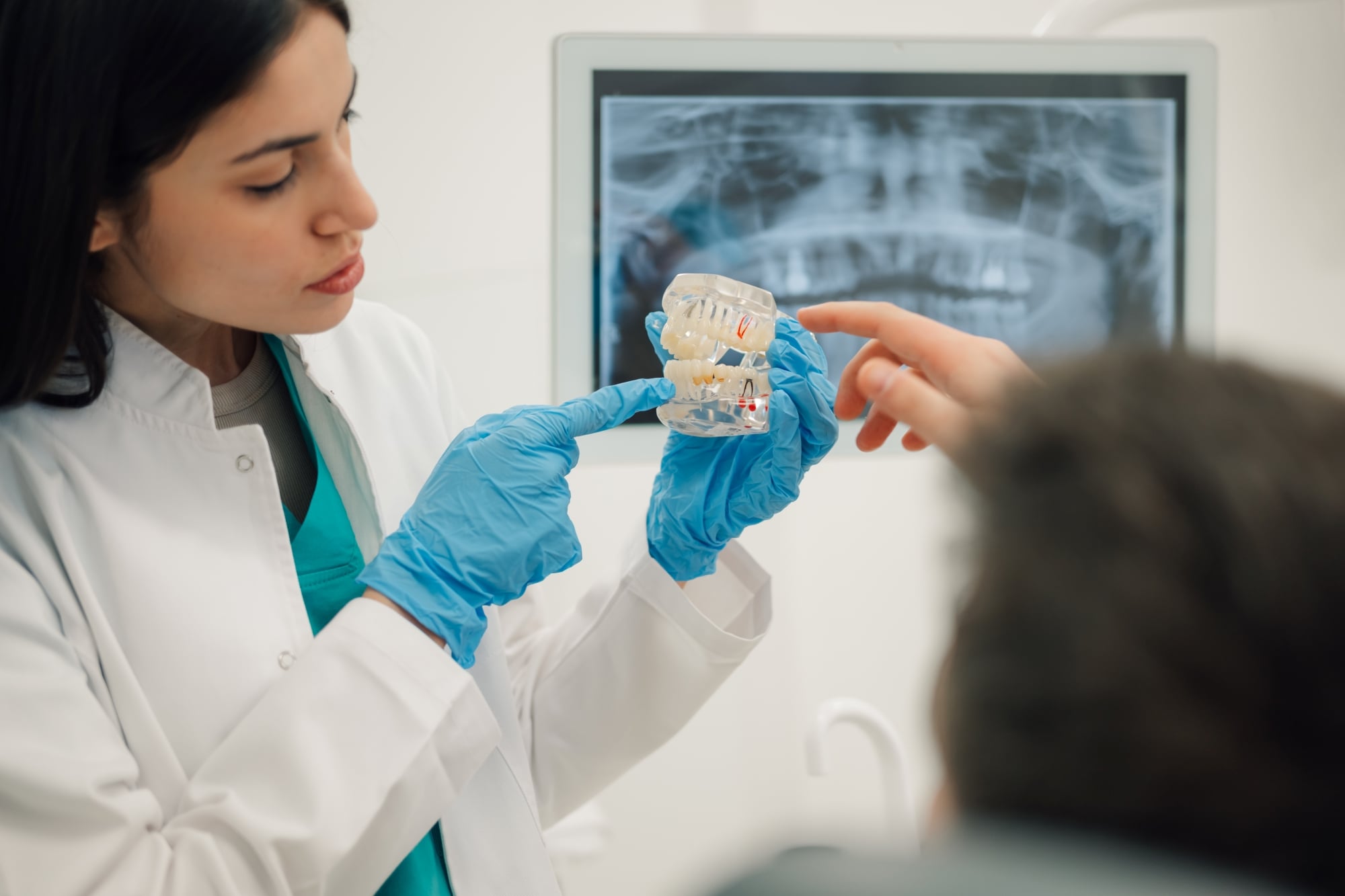
A referral usually comes down to what your dentist is seeing during an exam. It might involve nerve positioning, bone structure, or just a level of complexity that needs surgical planning. In some cases, it’s also about making the procedure more controlled with specialized anesthesia.
The best thing about Premier Oral is that we have what is needed for your care plan to be a team decision involving you and experts. Your dentist isn’t stepping away from your care. They’re guiding it and entrusting your case to maxillofacial surgeons when required.
FAQs
What does a maxillofacial surgeon do that a regular dentist does not?
A common question is what a maxillofacial surgeon does that a dentist does not. The main difference is the surgical focus, especially in more complex situations.
How much training does this specialty require?
Patients also ask about training. These specialists complete several additional years of hospital-based residency after dental school.
Can this specialty treat maxillofacial trauma and facial injuries
Another question is whether they treat maxillofacial trauma. Yes, they do. Facial injuries, including fractures, are part of this field, and jaw fracture repair falls within that care.
Understanding Maxillofacial Care Makes the Next Step Clearer
A maxillofacial surgeon is a surgical specialist who treats conditions involving the mouth, jaw, and face. That can include impacted teeth, dental implants, trauma care, and reconstructive oral surgery. Once you understand the role, the referral tends to feel more straightforward.
At Premier Oral and Maxillofacial Surgery Group, care is built around both experience and patient comfort, so you’re not left guessing about what comes next.
If you’ve been referred or have questions about a mouth, jaw, or facial concern, a consultation can help you get clear answers and move forward with confidence.
Schedule a consultation with Premier Oral if you have been referred for specialist care or want clear answers about a concern involving your mouth, jaw, face, or surgery.
Comments are closed.