
Orthognathic Surgery: Is Corrective Jaw Surgery Right for You?
Many of us don’t think much about our jaw position. We are usually perturbed by something smaller at first. Maybe chewing feels uneven. Maybe teeth don’t quite join together in the expected way.
Sometimes the issue is not even obvious. It’s just a sense that something isn’t lining up the way it should. Not every bite issue comes from the teeth. In some cases, the position of the jaws plays a bigger role than people realize.
That’s where orthognathic surgery comes in. It’s used when the problem goes beyond tooth alignment and involves the structure of the jaws themselves. In this blog, we will explain that difference and help you understand why this type of treatment is sometimes recommended.
What Orthognathic Surgery Actually Corrects
Orthognathic surgery, or corrective jaw surgery, is used when the jaws are not properly aligned. Braces can move teeth into better positions, but they don’t change where the jaws sit. When there’s jaw misalignment, that underlying structure still affects how everything comes together.
Here is where surgery becomes relevant. By altering jaw position, the goal is to improve tooth alignment, mouth function, and overall sensation. This is really about function as much as anything else. When the jaws are better aligned, chewing, speaking, and overall comfort tend to improve noticeably.
Who May Be a Candidate for Corrective Jaw Surgery?
There isn’t one single sign that makes someone an appropriate candidate for jaw surgery. In most cases, it’s usually a mix of things that add up over time.
Some patients notice difficulty chewing certain foods. Others deal with ongoing jaw tension or feel like their bite has never quite been even. Speech differences can also come up. Jaw growth can play a role here, too. If the upper and lower jaws develop differently, it can affect orofacial alignment in ways that don’t always show up right away.
Jaw realignment surgery is typically considered when these kinds of issues start to affect daily function.
Can Braces Fix Jaw Misalignment Without Surgery?
One of the most common questions we face is this: Can braces fix it?
In many cases, yes. If the issue is limited to tooth position, orthodontics usually works well, but when the jaws themselves are misaligned, moving the teeth doesn’t fully resolve the problem.
Orthognathic surgery steps in at this point. This procedure runs hand-in-hand with orthodontics to deal with the structural issues. The aim here is to have an outcome that will feel stable and balanced.
How Premier Plans Orthognathic Surgery

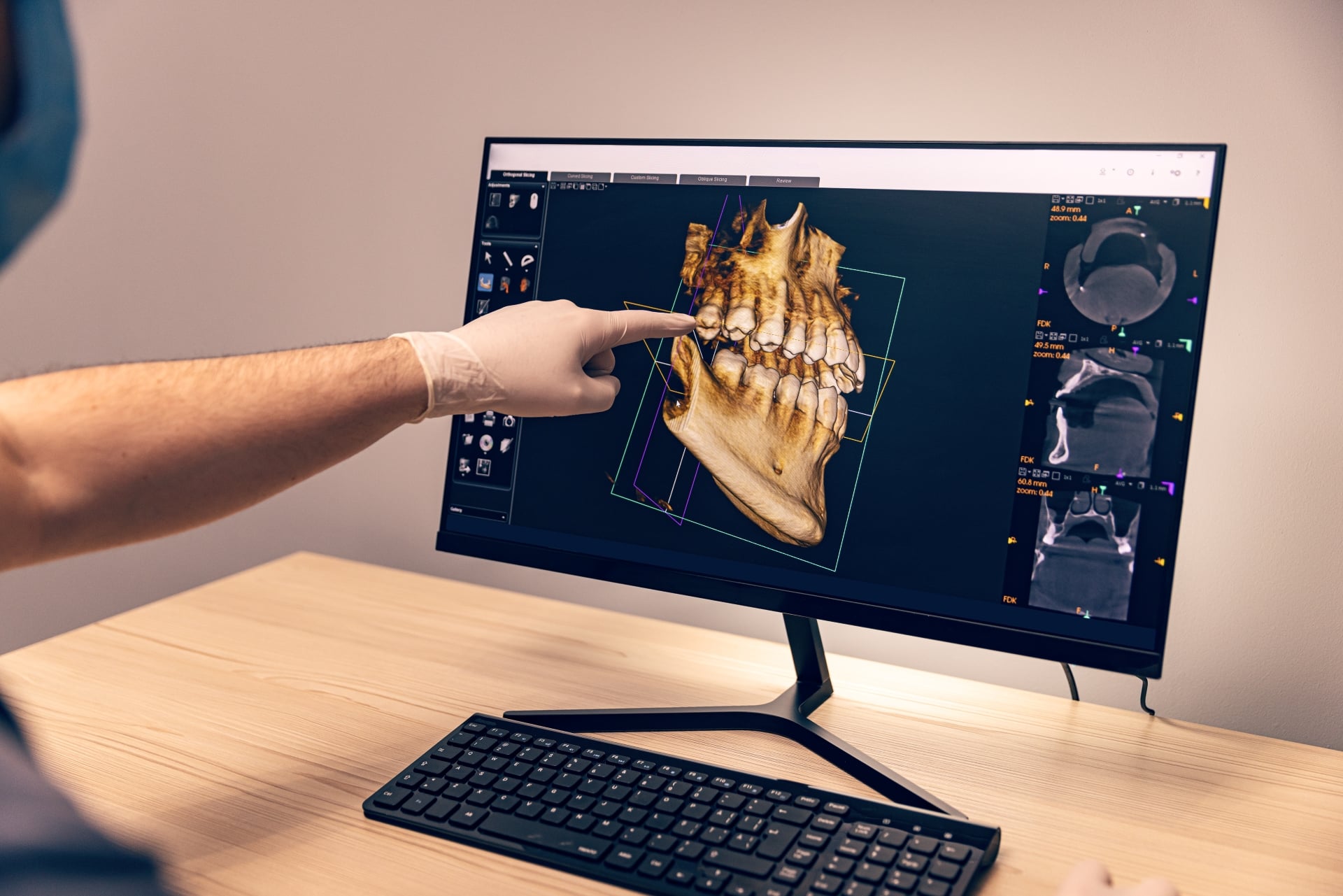
At Premier Oral and Maxillofacial Surgery Group, planning takes a bit of time, and that’s intentional. We start with a full evaluation. Imaging is a big part of this. Three-dimensional scans and detailed X-rays help show how everything is positioned.
What patients usually find helpful is that they can actually see what’s being discussed. It’s not just explained, it’s visual. From there, we coordinate closely with your orthodontist. Corrective jaw surgery is not a standalone step. It’s part of a larger plan.
What Jaw Realignment Surgery Can Improve
Jaw realignment surgery can change how things function day to day. Chewing often feels more balanced. Speech can feel more natural. The bite itself tends to come together in a more stable way.
Orofacial alignment also affects overall facial balance, although the main goal here is function. When jaw misalignment is corrected, many of those small daily frustrations tend to ease over time.
What to Expect Before, During, and After Surgery
This is not a quick process, and it helps to know that upfront. There’s usually a preparation phase with orthodontics. The overall preparation can even take a few months. The surgery itself is done in a hospital setting and takes a few hours. Most patients stay briefly afterward.
Recovery happens gradually. You take some time away from normal routines, then ease back into them. Eating and chewing improve step by step. Follow-up visits are part of the process, helping make sure everything is healing as expected.
How to Tell If Corrective Jaw Surgery Is the Right Step
The first question is usually simple. What exactly is bothering you?
If it’s mostly about appearance, there may be other options to consider first, but if the issue is affecting how your bite works or how your jaw feels, it’s worth looking into more closely.
A consultation doesn’t mean you’re committing to surgery. It just gives you a clearer picture of what’s going on.
FAQs
What is orthognathic surgery?
Orthognathic surgery is used when the jaws do not align properly, and orthodontics alone cannot correct the issue.
Who usually needs corrective jaw surgery?
Corrective jaw surgery is often recommended for patients with bite problems, jaw discomfort, or difficulty chewing or speaking.
Is jaw realignment surgery only for appearance?
Jaw realignment surgery focuses on improving function first, with appearance being a secondary benefit.
Can braces fix jaw misalignment without surgery?
Braces can correct tooth alignment, but they may not resolve jaw misalignment when the structure itself needs adjustment.
The Right Treatment Starts With Understanding the Problem
Orthognathic surgery is not about fixing one small issue. It’s about addressing how the jaws function as a whole. Orofacial alignment plays a bigger role in daily comfort than most people expect. Once that’s improved, many things start to feel more natural again.
At Premier Oral and Maxillofacial Surgery Group, the focus is on helping you understand your situation clearly before making any decisions.
Schedule a consultation with Premier Oral to find out whether corrective jaw surgery is the right next step for your bite, comfort, and long-term function.
Comments are closed.