Post-Surgery Nutrition: What to Eat While You Heal
The days following oral surgery often feel unfamiliar. People may experience mild soreness, swelling, and changes in jaw movement, and eating may feel awkward. Every bite taken is often considered, whether it will hurt, what should be eaten, and what should be avoided. These thoughts are completely normal during early recovery.
Healing begins right after oral surgery, and nutrition plays a direct role in this process. The wrong foods can irritate surgical sites, delay healing, or increase discomfort. The right foods support tissue repair, reduce inflammation, and help maintain energy during recovery.
In this blog, we guide you through the foods that can be eaten post-surgery, the foods that should be avoided, and how you can progress safely. These recommendations focus on post-surgery recovery and are not intended as dieting or general healthy eating advice.
Why Eating Feels Different After Oral Surgery
The mouth needs time after surgery. The tissues are sensitive. There may be stitches, and there is often some swelling. Jaw movement can feel tight or sore, especially during the first few days.
Chewing normally puts pressure on areas that are trying to heal. Certain food items can scrape, poke, or pull at surgical sites. Others can create suction or pressure inside the mouth, which can interfere with the healing process.
At the same time, the body still needs fuel. Healing takes energy, and tissue repair depends on nutrients. Skipping meals completely is not helpful, even if eating feels inconvenient at first.
That’s why post-operative surgery instruction focuses on finding a middle ground. Nutrition should include foods that are gentle, easy to manage, and still nourishing.
Soft Foods After Surgery: What Usually Works Best
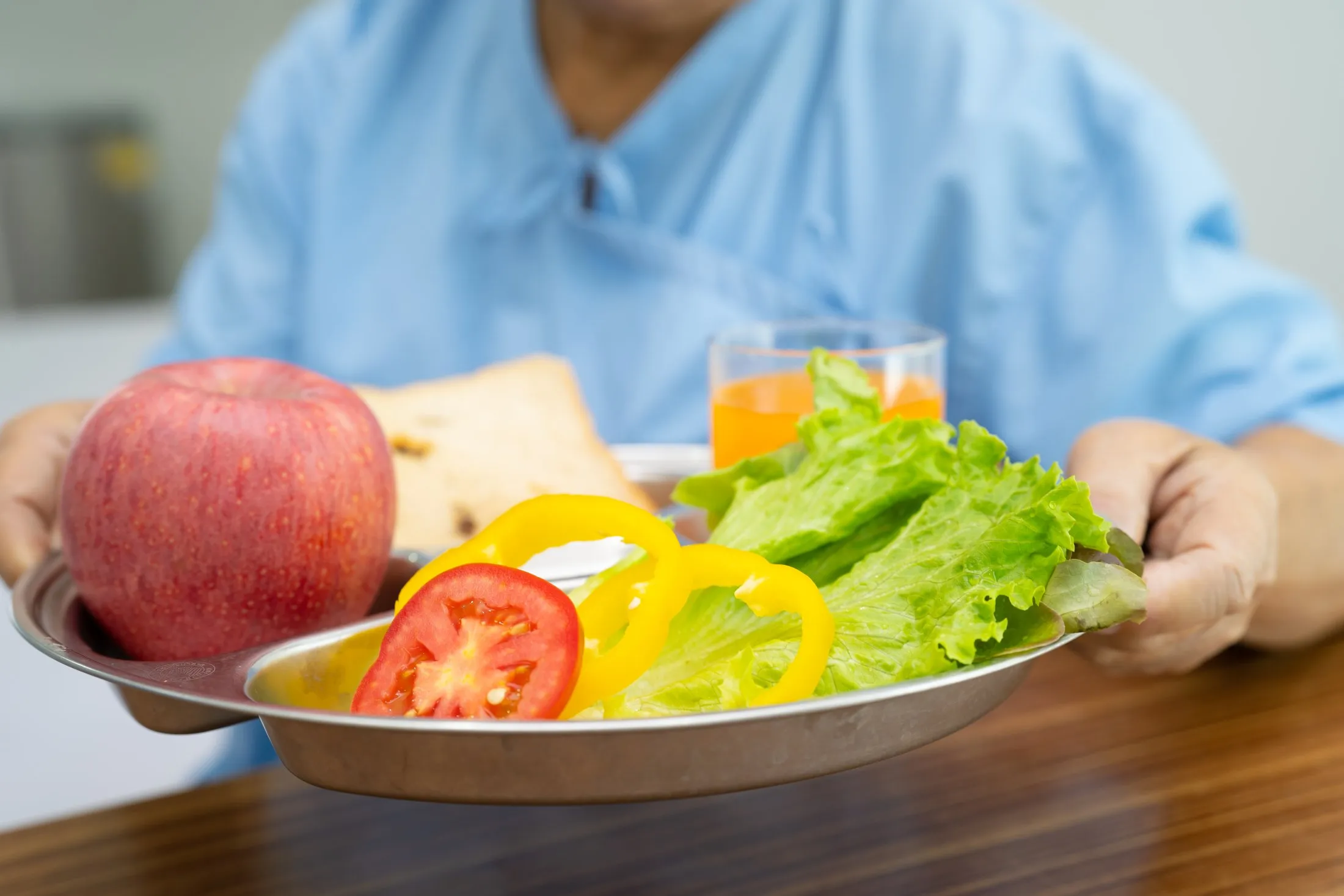
Soft foods after surgery can support recovery. However, food choices depend largely on how many days have passed since the post-recovery.
The First Day or Two
Early on, it is important to pause and allow the month to rest. During this time, it is recommended to stick to smooth, easy-to-digest foods. Yogurt, applesauce, pudding, and similar textures are usually well tolerated.
Smoothies can also be helpful, but straws should be avoided. Protein shakes or meal-replacement drinks are a good option when chewing is difficult. Blended soups may be included as well, as long as they are warm and not hot.
Adequate water intake is essential. If plain water feels boring, electrolyte drinks may be used.
As Things Start to Feel Better
After a few days, swelling often begins to decrease. At this point, many people can tolerate slightly thicker foods.
Options may include mashed potatoes, soft oatmeal, scrambled eggs, and well-cooked pasta or rice. Some patients may be able to eat soft fish or finely shredded chicken if approved by their surgeons.
It is important to take things slowly, using small portions and gentle chewing. If discomfort occurs, stop immediately and try again later.
Nutrients That Help Healing
Nutrients play an important role in healing. Proteins support tissue repair. Vitamin C contributes to wound healing, and zinc helps support the immune system.
Rather than tracking numbers, the focus should be on balanced meals, even if they are in smaller portions than usual.
Foods and Drinks to Avoid for Now
Some foods make healing more difficult, even if they are part of your normal diet.
Hard or crunchy foods such as chips, nuts, or raw vegetables can irritate healing areas. Sticky foods can pull at sutures. Spicy or acidic foods often cause burning or discomfort, while hot foods and drinks can increase irritation early in recovery.
Alcohol should also be avoided during recovery, particularly when medications are being used. Carbonated drinks can create pressure in the mouth and are advised to be avoided for a while.
Straws should also be avoided. The suction they create can dislodge blood clots that protect surgical sites, increasing the risk of complications such as dry socket.
These restrictions are not meant to be strict. They are intended to protect healing tissues.
How Your Diet Changes Over Time
Diet changes after oral surgery are planned carefully. As soreness improves and jaw movement becomes easier, firmer foods can be added back gradually.
There are signs that indicate when the gums are ready. These may include reduced tenderness, improved chewing comfort, and fewer limitations in jaw movement.
Healing timelines can vary depending on the procedure. For this reason, a surgeon’s instructions should always guide dietary progression. Rushing usually backfires, while gradual, slower progress tends to support a smoother recovery.
Different Surgeries, Different Needs
Not all oral surgeries heal the same way. Each procedure has different recovery needs.
- After wisdom tooth removal, soft foods help protect the extraction sites.
- After dental implant surgery, the surgical site needs protection as the bone and surrounding tissues heal.
- Bone grafting or sinus lift procedures often involve longer dietary modifications.
- Jaw surgery or multiple extractions may require liquids or pureed foods for an extended time.
Dietary guidance is based on the procedure performed and how healing is progressing.
How Premier Supports Recovery?
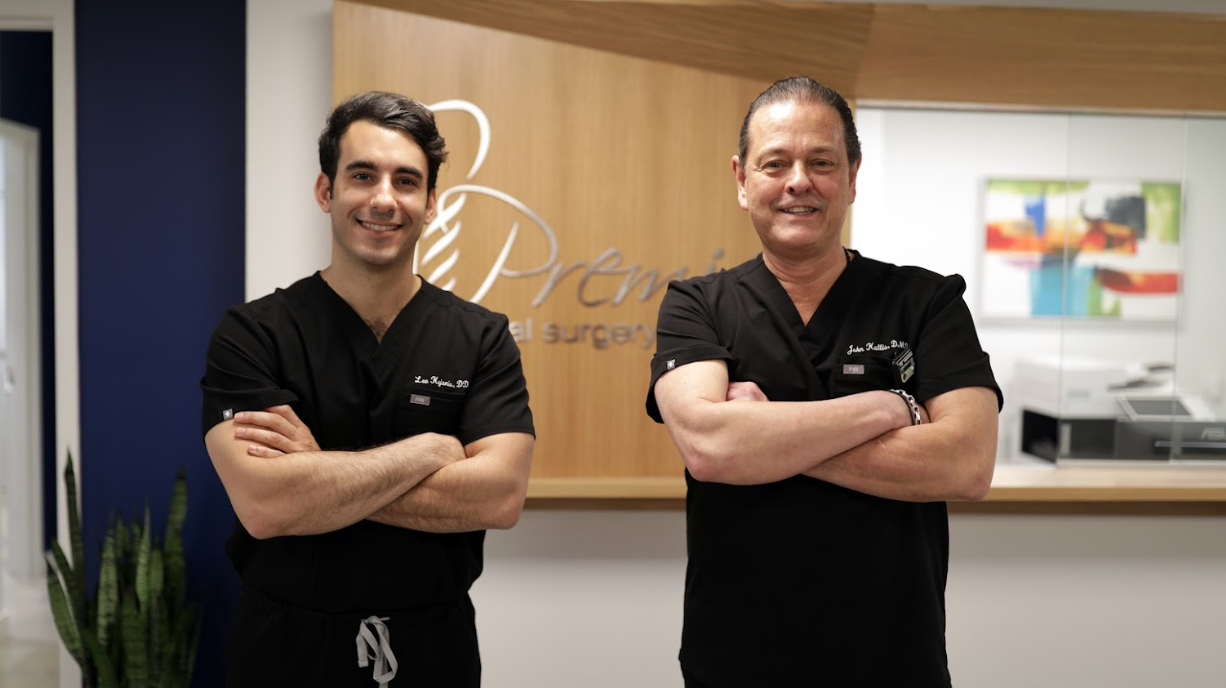
At Premier Oral and Maxillofacial Surgery Group, recovery does not end when the procedure is complete. Patients receive clear, personalized guidance on post-operative care, including nutrition, to support healing at every stage.
Our dietary recommendations are tailored to the procedure and adjusted as healing progresses. Follow-up visits and ongoing support help patients feel informed and confident during recovery.
Healing Happens One Step at a Time!
Nutrition plays a real role in post-operative surgery healing. Choosing the right foods helps protect surgical sites, reduces irritation, and supports the body as it repairs itself.
Recovery is often smoother when patients follow surgeon-guided nutrition recommendations and allow adequate time for healing. For personalized guidance and post-surgical care, you can always schedule a consultation with Premier Oral and Maxillofacial Surgery Group.
Comments are closed.