
Sinus Lift Surgery: What It Is And When You Need It Before Dental Implants
If you have been told you may need a sinus lift before getting a dental implant, it is understandable to wonder why it is necessary and what the procedure involves. In the upper back jaw, there may not always be enough bone to support an implant, particularly after a tooth has been missing for some time. A sinus lift can help address this by creating additional bone support in the area beneath the sinus.
Needing a sinus lift does not necessarily mean your dental implant treatment has become more complicated than expected. For some patients, it is simply an important step in preparing the upper jaw for an implant. Your surgeon can use an examination along with 3D imaging to assess your bone levels, sinus anatomy, and overall treatment needs before recommending the right approach.
In this blog, we’ll explain what sinus lift surgery is, when it may be needed, how the procedure works, what recovery can look like, and how long you may need to wait before getting your dental implant.
What is Sinus Lift Surgery?
Sinus lift surgery is a type of bone grafting procedure used in the upper back jaw when there is not enough bone to support a dental implant. During the procedure, the sinus membrane is gently lifted, and bone graft material is placed beneath it. This creates additional bone height in the area, helping prepare the site for a future implant.
The maxillary sinuses are air-filled spaces located above the upper back teeth. When a tooth has been missing for some time, the jawbone in that area can gradually shrink, leaving less space between the jaw and the sinus. Your surgeon can use imaging to assess the available bone and determine whether you need additional bone before implant placement. You may also hear sinus lift surgery called sinus augmentation or sinus grafting.
When Do You Need a Sinus Lift Before Dental Implants?
A sinus lift for implants may be recommended when there isn’t enough bone height in the upper back jaw to support an implant. This can happen after tooth loss, periodontal disease, trauma, or a previous extraction. The shape and position of the sinus can also affect how much bone is available for implant placement.
Your surgeon can use imaging to evaluate the available bone and see how closely it sits to the sinus. This helps determine whether you need a sinus lift and how it fits into your treatment plan. Depending on your bone height and implant stability, you may need the graft first and the implant later, or your surgeon may be able to perform both during the same surgical phase.
What Happens During a Sinus Lift Procedure?
During sinus lift surgery, the treatment area is numbed with local anesthesia. Sedation may also be discussed when appropriate. The surgeon reaches the upper jaw, gently raises the sinus membrane, places the selected graft material, and closes the area so healing can begin.
The technique is not exactly the same for every patient. Your anatomy, implant plan, and the amount of additional bone needed all affect how the procedure is planned.
Does a Sinus Lift Hurt?
It is completely reasonable to have questions about discomfort. The treatment area is numbed before the surgery, and sedation options may be available depending on the case.
After the surgery, some patients notice swelling, pressure, tenderness, or mild bleeding. These symptoms can vary from one person to another. Our expert team at Premier Oral will explain what is normal during recovery and how to care for the treatment area at home.
Can The Implant and Sinus Lift be Done at The Same Time?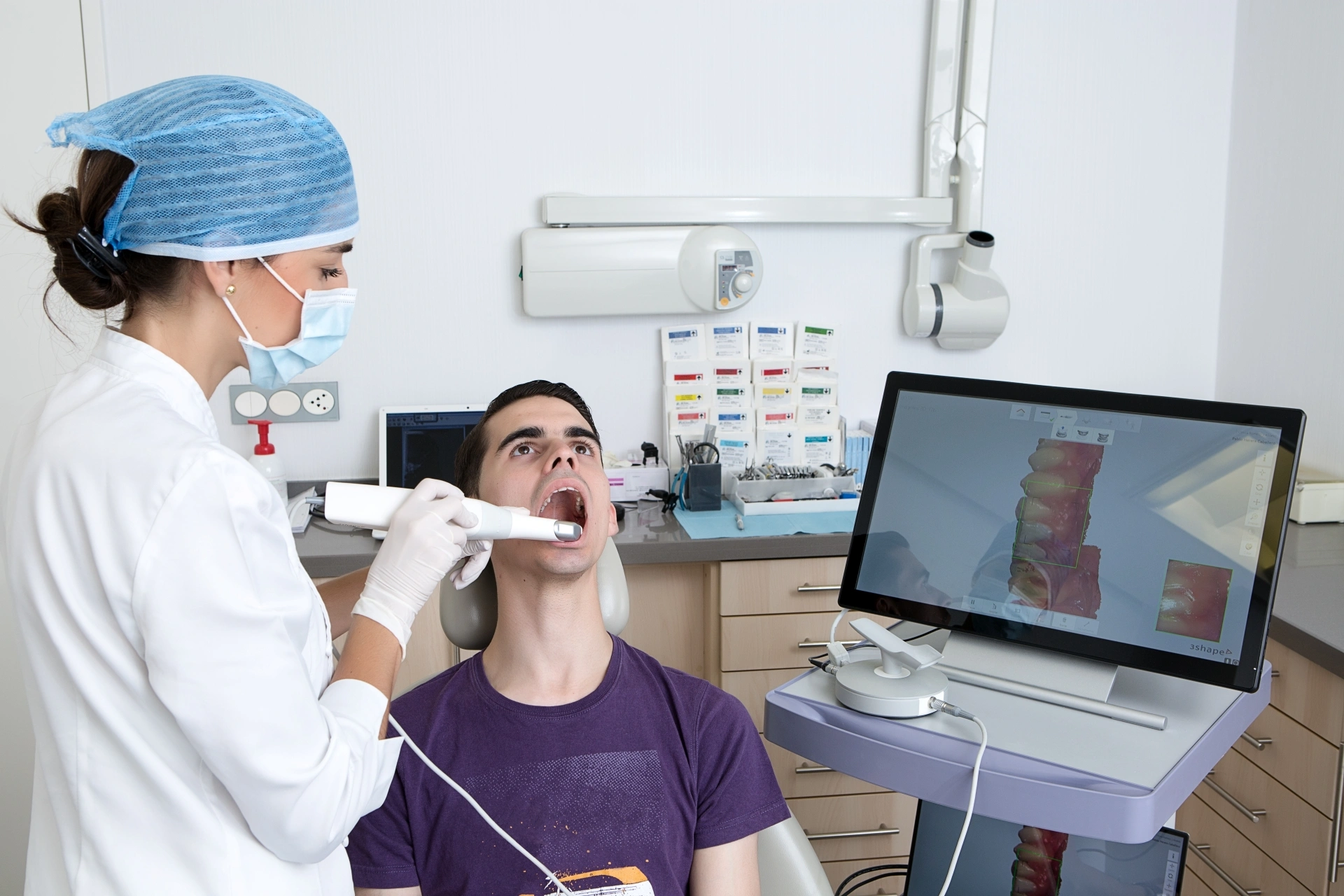
In some cases, a sinus lift for implants and implant placement can be performed during the same surgical phase. This may be possible when enough natural bone provides initial stability for the implant. If there is not enough bone to support the implant securely, your surgeon may recommend completing the graft first and placing the implant after the area has healed.
The recommended approach depends on factors such as your available bone height, sinus anatomy, implant stability, and overall treatment plan. Same-day treatment isn’t always the right choice for every patient. The goal is to choose an approach that provides the bone support your implant needs and allows your treatment to progress safely.
Who Is a Good Candidate for Sinus Augmentation?
Candidates are often patients missing upper back teeth who want implants but do not have enough bone beneath the sinus. Good general oral and medical health also matters for surgery and graft healing.
Smoking, uncontrolled diabetes, active gum disease, sinus problems, certain medications, or previous sinus surgery can affect planning. These factors do not always prevent treatment. They may simply mean that your care needs additional planning.
FAQs
What Is Sinus Lift Surgery?
Sinus lift surgery adds bone to the upper back jaw by gently raising the sinus membrane and placing graft material underneath it.
Why Would I Need Sinus Augmentation Before Dental Implants?
Sinus augmentation for dental implant planning may be needed when there is not enough bone between the upper jaw and the maxillary sinus to support an implant.
Is a Sinus Lift for Implants Common?
Yes. A sinus lift for implants is a common option for people missing upper back teeth who have limited bone beneath the sinus.
Can I Still Get Dental Implants If I Need a Sinus Lift?
In many cases, yes. Needing a sinus lift does not automatically mean implants are impossible. It may simply mean that the bone foundation needs to be prepared first.
How Long Does Healing Take After a Sinus Lift?
Healing varies. Some patients need several months before implant placement, while others may be candidates for combined treatment.
Where Can I Discuss Upper Jaw Implants In NJ?
Patients considering upper jaw implants in NJ can speak with us about their bone levels, sinus anatomy, and implant options.
A Sinus Lift Can Make Implants Possible
A sinus lift may sound like a complicated extra step, but it can be an important part of preparing the upper jaw for dental implants. When there is not enough bone beneath the sinus, grafting can help create a stronger foundation for future treatment.
At Premier Oral, we evaluate your jawbone, sinus anatomy, and implant goals before recommending a plan. If you have been told you may not have enough bone for an implant, a consultation can help you understand what comes next and whether sinus lift surgery belongs in your treatment plan.
Comments are closed.