
Smoking and Dental Implants: Why the Risk Goes Beyond the First Few Days
“I know smoking is not ideal, but does it really matter for one surgery?” This is one of the most common questions that we hear from our patients. Smoking and oral surgery are often closely linked. This happens because healing in the mouth depends on stable blood flow, healthy tissue response, and protection of the surgical site.
In this blog, we guide you through the changes smoking causes, which procedures are most affected, and what patients can do to improve their recovery.
What Smoking Actually Does to Healing in the Mouth
Oral surgery healing depends entirely on blood supply, oxygen delivery, clot stability, and tissue repair. Smoking can often interfere with these processes. This is why patients are often given stronger restrictions around smoking after oral surgery. This is usually not the case post routine dental work.
Dental implant healing is different from extraction healing. Here, the gums recover while another process happens beneath the surface. It takes several weeks and months. This is why tobacco oral surgery healing becomes an important conversation. At Premier Oral Surgery and Maxillofacial Group, our team clearly explains that smoking can delay healing. It can also increase the risk of implant failures. There are also studies that suggest that smokers tend to have lower implant success rates than non-smokers.
This doesn’t imply that smokers can’t receive dental implants. It means that patients should always discuss their smoking history with their surgeons in advance to help support better healing.
Why Smoking Raises Dry Socket Risk After Extractions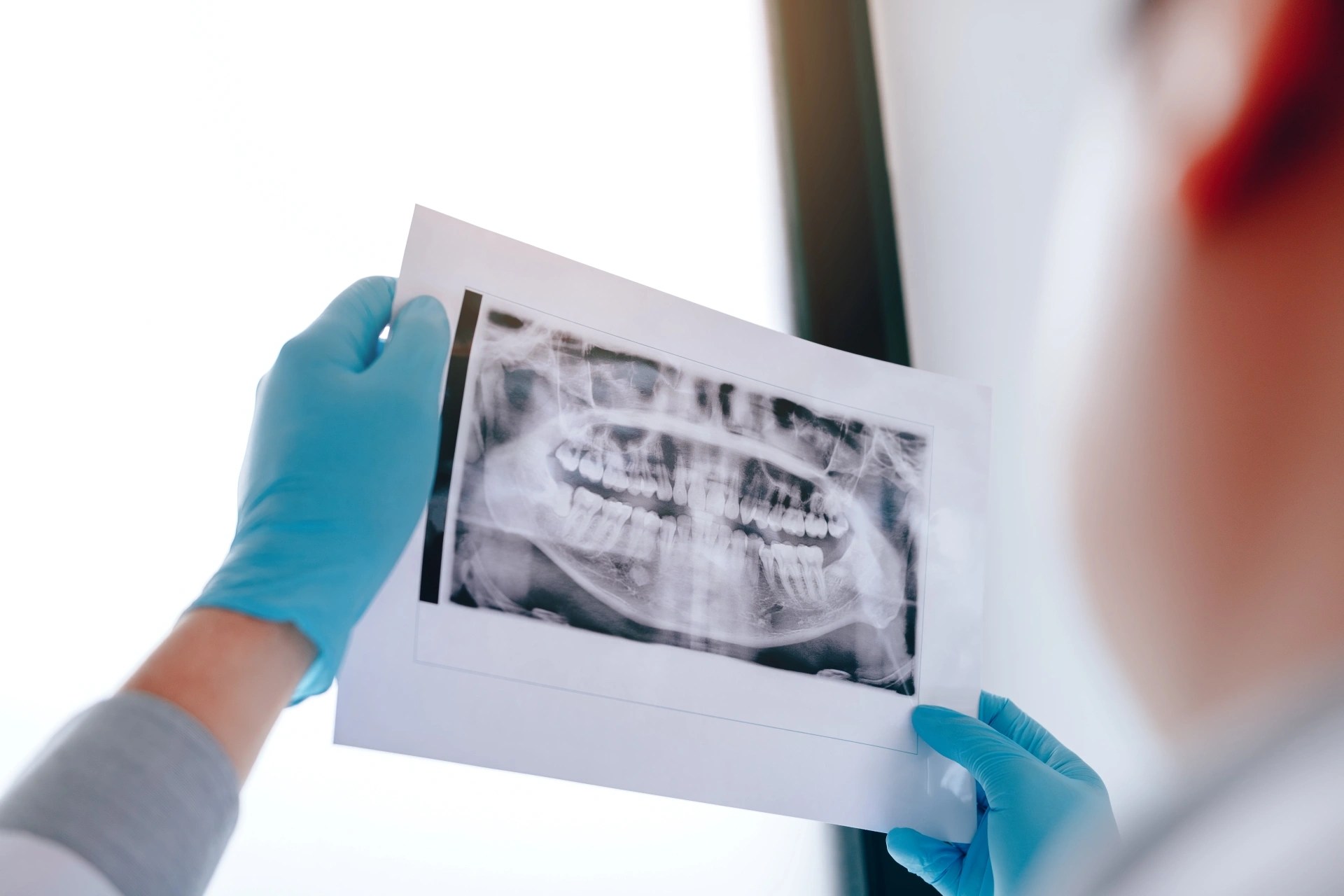
After an extraction, the healing depends on stable blood clot formation in the socket. At Premier Oral Surgery and Maxillofacial Group, our extraction instructions say that smoking can dislodge or dissolve the blood clot. Thus, it hinders the healing. This is why we instruct patients not to smoke for 72 hours.
Our wisdom teeth aftercare page also clearly states that dry socket occurs more often in people who smoke. This usually appears in the lower jaw between the third and fifth days after surgery. This is one of the clear reasons why smoking and oral surgery do not go well, especially in the initial few days.
Wisdom Teeth Removal: Why the Recovery Window Matters So Much
Wisdom tooth recovery often includes swelling, soreness, stiffness, and clot-based healing in the deeper surgical sites. At Premier Oral, we identify dry socket and infection as the known post-op complications after wisdom tooth removal. We specifically note that dry socket happens mostly in people who smoke.
Smoking after wisdom tooth removal slows the rate of healing process. They do not carry a risk of failure during the surgery. Smoking can affect clot formation and swelling so it can affect the healing post-wisdom teeth removal.
Patients often feel better enough to smoke before the tissues are actually completely healed or ready. This is why recovery instructions really matter for the patients.
Dental Implants: Why the Risk Goes Beyond the First Few Days
Implant recovery depends not only on gum healing. It also depends on osseointegration. Osseointegration is the process where the implant fuses with the bone.
At Premier Oral, we suggest that smoking can delay healing and increase the risk of implant failure. People with a smoking history have lower implant success rates than non-smokers. Smoking affects dental implant bone healing and affects the overall long-term success. It is never about the short-term comfort issue patients face.
Bone Grafts, Socket Preservation, and Other Procedures Smoking Can Complicate
Procedures such as bone grafting and ridge preservation also depend on stable healing and tissue support. Proper care after a graft includes avoiding smoking.
We always advise our patients to avoid smoking while the surgical site heals. This is another reason why tobacco oral surgery healing deserves attention across different oral surgical procedures. If healing is disrupted early, future treatment might also be affected.
How Long Should Patients Stop Smoking Before and After Surgery?
The answer to this question varies with the procedure being done. At Premier Oral, we always tell our patients that after a tooth extraction, they should not smoke for the next 72 hours. It is also advisable to avoid smoking for a short period even before the surgery.
AAID’s patient educational article states that studies suggest quitting two weeks before implant surgery can help improve the blood flow and oxygen to the bones. The exact recommendations depend on the procedures, but more smoke-free time is always advisable. It is generally better for healing post-surgery.
How Premier Can Help Smokers Plan Surgery More Safely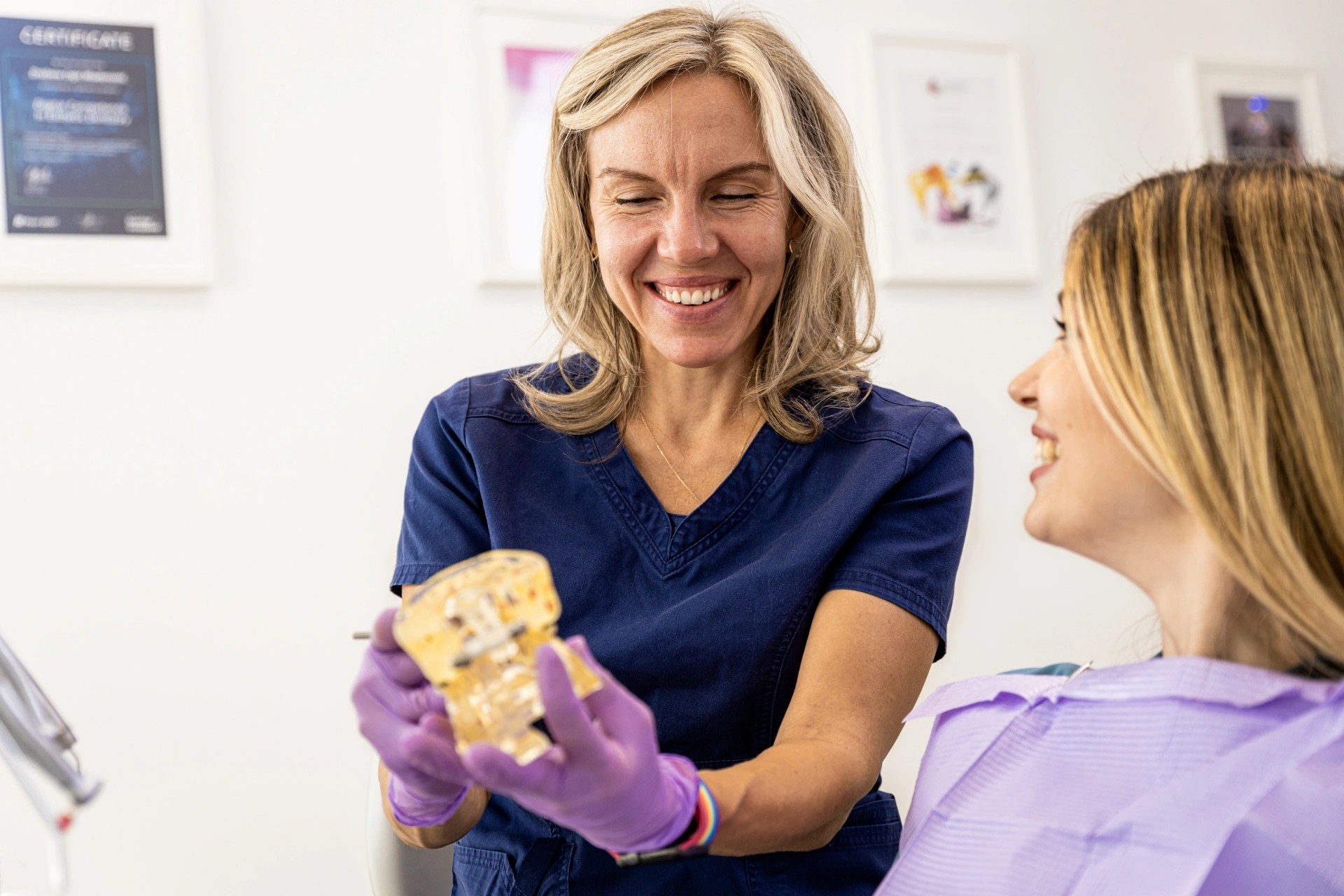
At Premier Oral, we evaluate each patient based on the type of procedure, bone support, healing needs, and medical history. For implant cases, we say non-smokers or people willing to quit during the process are better candidates. This supports the bone and overall health.
We offer extractions, wisdom teeth surgery, bone grafting, dental implants, ridge preservation, and anesthesia planning, which makes the consultation the right place to discuss smoking honestly. Our goal is to help patients develop realistic treatment plans, not just idealized ones.
FAQs
Does smoking always cause problems after oral surgery?
Not always, but it can interfere with blood clot formation, tissue repair, and bone healing, which is why avoiding smoking during recovery is strongly recommended.
Why is smoking after wisdom tooth removal discouraged?
Smoking increases the risk of dry socket and may slow healing while the surgical site is still closing.
Are smoking dental implants more likely to fail?
Yes. Smoking can delay healing around the implant and lower long-term implant success compared with non-smokers.
Besides implants, what procedures can smoking affect?
Smoking may also affect healing after tooth extractions, bone grafting, ridge preservation, and other oral surgery procedures.
What if I already smoked after surgery?
Don’t panic. Continue following your post-operative instructions and contact your oral surgeon if you experience severe pain, heavy bleeding, persistent swelling, or other unusual symptoms.
Better Healing Starts With Better Timing Around Smoking
Smoking and oral surgery are closely connected because smoking can affect clot stability, tissue healing, bone recovery, and implant success. The risk manifests differently across extractions, wisdom teeth, bone grafts, and implants. So the “no smoking” rule matters a lot for every procedure. We encourage patients to use every consultation to talk honestly about smoking habits rather than trying to manage every issue alone.
If you have any questions regarding smoking and oral surgeries, schedule a consultation with us. We are here to answer all your queries and provide care customized according to your convenience.
Comments are closed.