
Socket Preservation After Extraction: Why Timing Matters for Future Implants
We all know about the process of tooth extraction and its aftercare; however, socket preservation post tooth extraction is also an integral part of oral care. Socket preservation is a procedure that maintains the integrity of the bone post tooth extraction.
Socket preservation prevents bone loss, a common concern for everyone. It also makes future implant placements more successful. Patients who do not undergo this procedure may experience bone loss after extraction. It also further complicates the process of placing implants later on.
This blog covers what a socket preservation process is, when it is most effective, and why patients should consider this process as a part of their overall oral health approach.
What Happens When a Tooth is Extracted Without Socket Preservation?
When tooth extractions are done without socket preservation, the bone naturally begins to resorb after the tooth is removed. It leads to a shrinking of the jawbone in the area where the tooth once was. This bone loss after extraction creates a smaller and weaker foundation for future implants.
This bone loss may require bone grafting or other procedures to restore the site for implant placement in the future. Ridge preservation can also help in avoiding these issues by maintaining the bone structure right after extraction.
At Premier Oral, our socket preservation procedure helps in preventing complications and prepares the area for future implant placement.
What Is Ridge Preservation and How Does It Relate to Socket Preservation?
Socket and Ridge preservation are two different but interconnected procedures and techniques. Ridge preservation involves maintaining the height and width of the bone in the dental ridge (jawbone) after tooth extraction.
Socket preservation is a type of ridge preservation that focuses on the area around the extracted tooth’s socket. Ridge preservation techniques can involve bone grafts, membranes, or other materials to fill the socket and prevent the bone from shrinking.
Both procedures are made and designed to prepare the site for future implants. This makes them a crucial part of the dental implant planning process. Though interconnected, ridge preserving is a broader term that involves other techniques as well.
When Is the Best Time to Perform Socket Preservation?
The ideal time to preserve the socket is right after tooth extraction. It is mainly because the bone is most likely to maintain its shape at this time, which makes the process easier and more comfortable.
Delaying the procedure can have repercussions. It can result in more bone loss, which, in turn, makes it harder to preserve the socket and requires more extensive procedures down the line.
At Premier Oral, where surgical expertise meets patient-centered care, we are experienced in performing socket preservation. This process can be done during the extraction appointment itself or completed in a follow-up visit to ensure good results. In either case, you can rest assured that our team of experts will walk you through every step of the procedure.
The Benefits of Socket Preservation for Future Dental Implants
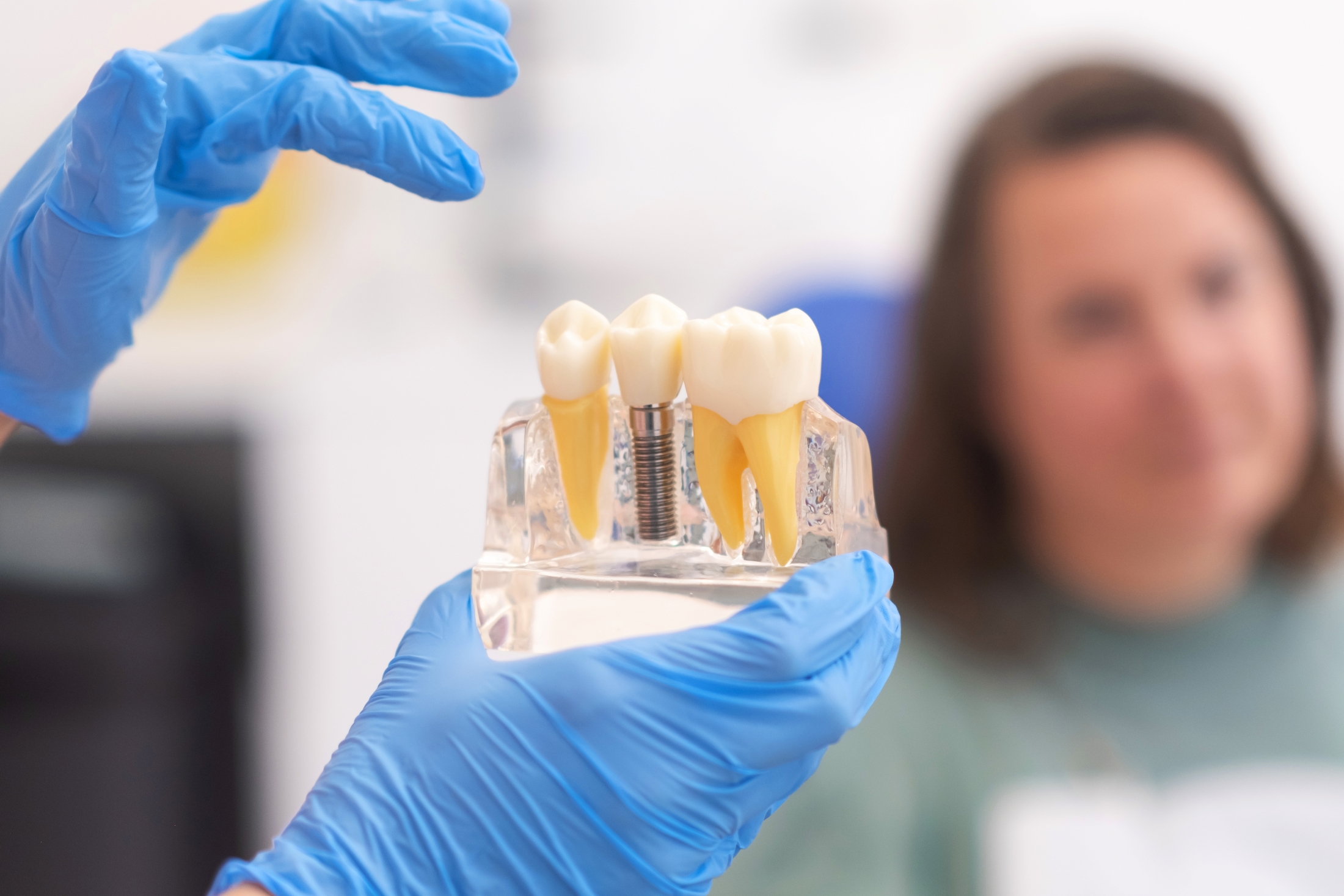
Preserving the sockets helps prevent future bone loss by preventing the bone from shrinking and reabsorbing. It also maintains the bone structure needed for implant placements in the future.
Patients simplify future implant procedures by preserving the sockets. Socket preservation avoids complex bone grafting procedures in the future. In the long run, this saves both cost and time in future implant treatment plans.
Additionally, a preserved socket provides more stability. It acts as a foundation for dental implants and improves their longevity. It can also help maintain the natural contour of the gums and jaw, providing an overall more natural-looking result.
What to Expect During and After Socket Preservation Treatment
A socket preservation procedure is usually quick and minimally invasive. It is done under local anesthesia to ensure comfort. The process involves placing a grafting material in the socket after the tooth is extracted.
The recovery process after the procedure is not long. Patients may experience some initial swelling, tenderness, and mild discomfort, but they can resume their normal routines within a few days.
At Premier Oral, we always prioritize patient care with several anesthesia options, detailed post-procedure instructions, and follow-up care to monitor the healing process. This ensures optimal results. We stay in touch with you to ensure that the results are positive and comfortable.
Can Socket Preservation Be Used in All Tooth Extraction Cases?
Socket preservation is recommended for most patients who are planning to have dental implants. However, not all are suitable candidates for it. Patients with active infection or severe periodontal disease may need to address these issues first before undergoing the procedure.
Cases with already significant bone loss after extraction also require additional procedures like bone grafting. These may be necessary in combination with preserving the socket. These procedures vary from patient to patient depending on the severity of their situation.
The procedures are always specific to the patient, and Premier Oral thoroughly assesses each case before creating a personalized care plan based on the patient’s oral health status.
FAQs: Everything You Need to Know About Socket Preservation
How Long Does Socket Preservation Take to Heal?
Although the healing time takes a couple of months for the bone to integrate with the graft, most patients resume their normal routine within a couple of days.
Will I Need a Bone Graft After Socket Preservation?
Socket preservation in itself is a form of bone grafting, and no additional procedures are needed after that for the implant placement.
Can Socket Preservation Help Avoid Implant Complications Later?
The risks of complications such as implant failure and misalignment are avoided by preserving the socket and preventing bone loss.
How Much Does Socket Preservation Cost?
The cost of the process depends upon the case and the materials used, but it is an affordable choice against the cost of extensive bone grafting later.
Why Socket Preservation is Key to Successful Future Implants
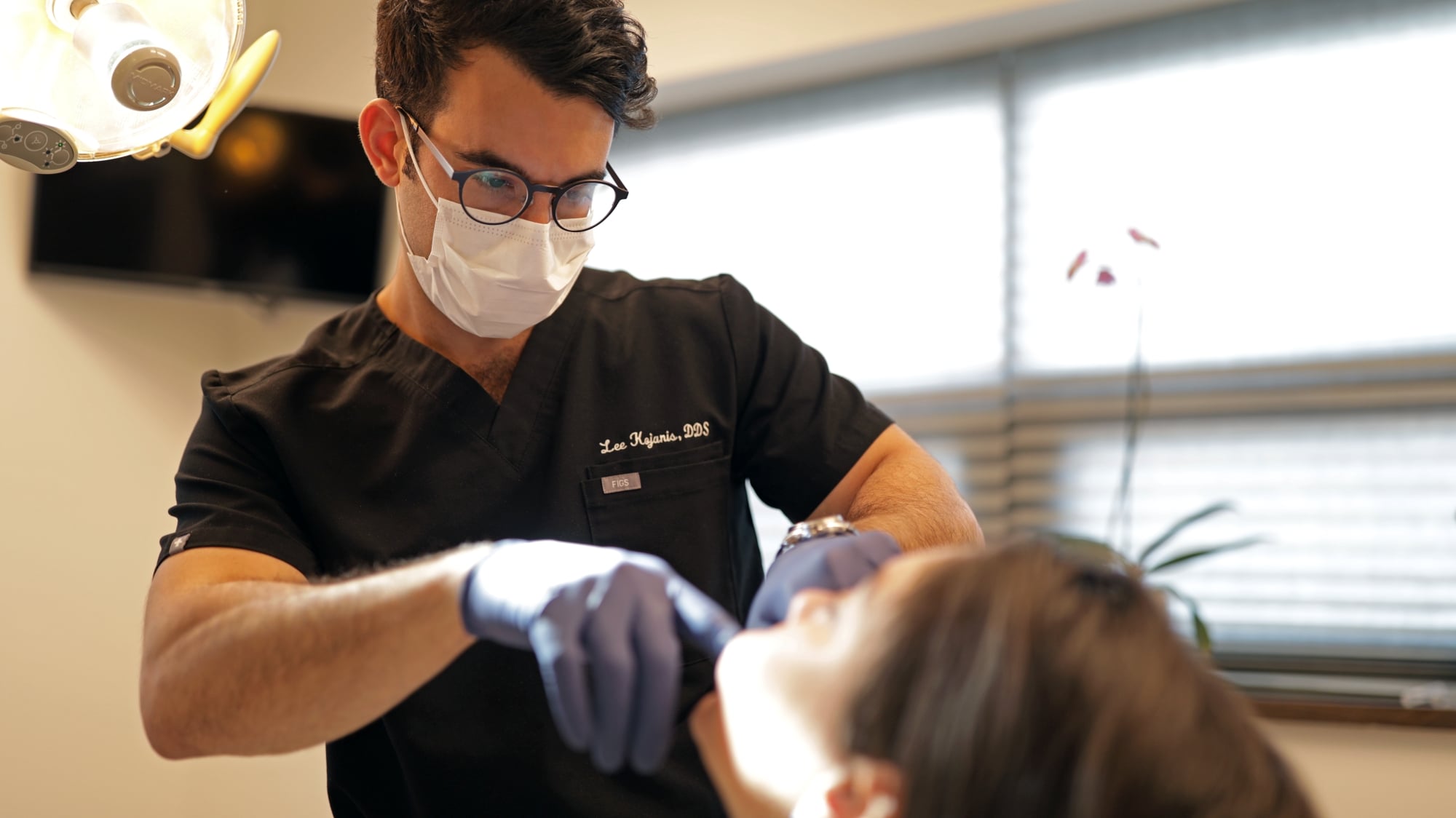
Socket preservation is a simple and effective procedure that prevents bone loss after extraction and makes future implant placement easier and more successful.
Timely preservation of sockets is important to avoid complex procedures later on. It also improves the overall results of dental implants.
Schedule a consultation with Premier Oral to discuss socket preservation and ensure a smooth ride towards dental restoration.
Comments are closed.