
Why Jaw Bone Loss Happens After Tooth Loss and How Oral Surgeons Restore It
When a tooth is lost, the changes aren’t just in your smile. Beneath the surface, the jaw begins to respond almost right away. These changes go unseen at first.
The bone that held the tooth shrinks because it no longer receives tiny signals sent by chewing. This process is slow and steady. Many notice it only in the mirror or when a dentist says there isn’t enough bone for an implant.
In this blog, we guide you through why these changes happen. We also describe how we as oral surgeons restore lost bone. Early care protects long-term oral health. Our goal is to support and inform you with simple explanations from the start.
Why Jaw Bone Loss Happens After Tooth Loss?
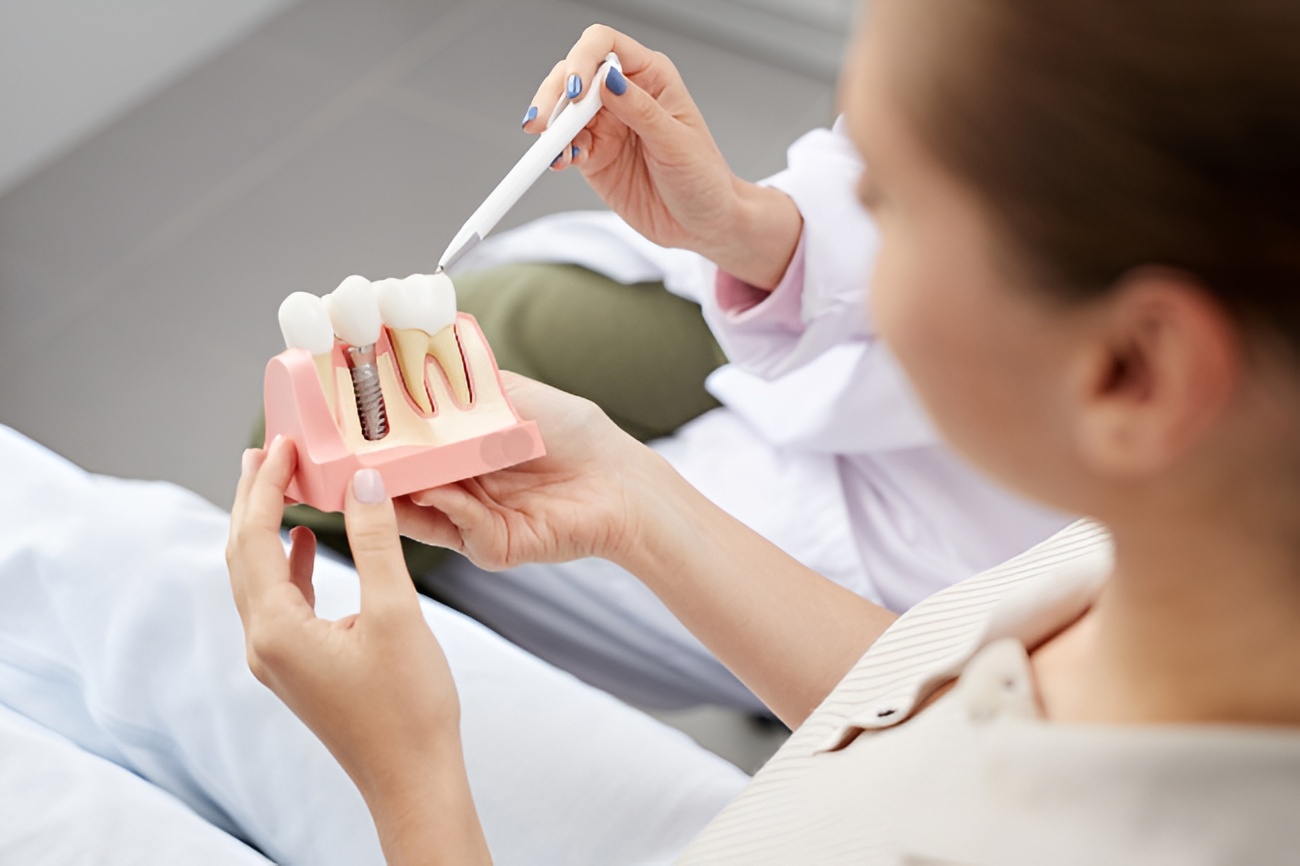
The bone in the jaw depends on stimulation from the tooth root. Chewing sends small pressures through the root into the jaw. This keeps the bone active.
If a tooth is missing, stimulation stops. The body then slowly resorbs the bone, which is no longer needed to support the root. The width and height decrease.
This doesn’t happen overnight. It may begin within the first few months and continue for years. The space where the tooth once lived shrinks. The nearby teeth can start to shift into the gap, changing the way our bite fits together.
In some cases, people notice reduced support for facial structures. These changes are natural consequences of tooth loss, and not something intentional or preventive.
If untreated, jawbone loss may continue until there isn’t enough structure left for a dental implant. Early dental implants help patients make choices that protect the strength and stability of their jaw.
The Visible and Invisible Effects of Bone Loss
Some effects of bone loss are noticeable; others stay hidden until a specialist evaluates the jaw. Many patients first come in because chewing becomes harder on one side. Without a strong foundation, dentures may shift or feel unstable.
Others notice a gradual difference in how their face looks in photos. The skin around the mouth may appear slightly collapsed or hollow because the bone underneath has thinned.
The invisible changes are equally important. The shrinking ridge may limit how or where an implant can be placed. In more advanced cases, there may not be enough vertical or horizontal support to hold an implant securely.
These issues affect comfort, confidence, and long-term oral function. Early intervention or even something as simple as preserving the extraction site can definitely prevent these challenges and maintain the natural shape of the jaw.
How Oral Surgeons Diagnose Bone Loss
The diagnosis begins with a thorough evaluation. We evaluate through medical and dental history, previous extractions, and current symptoms.
The most important tool is 3D imaging, often a CBCT scan, which shows the exact height, width, and density of the bone. They allow us to measure how much bone is present and how much support is actually needed.
Once the scan is reviewed, we determine whether ridge preservation, bone grafting, or another form of restoration will help rebuild or protect the area.
Each jaw is different, and the treatment plan is shaped around the patient’s structure, health, and goals.
Ridge Preservation: Preventing Bone Loss Immediately After Extraction
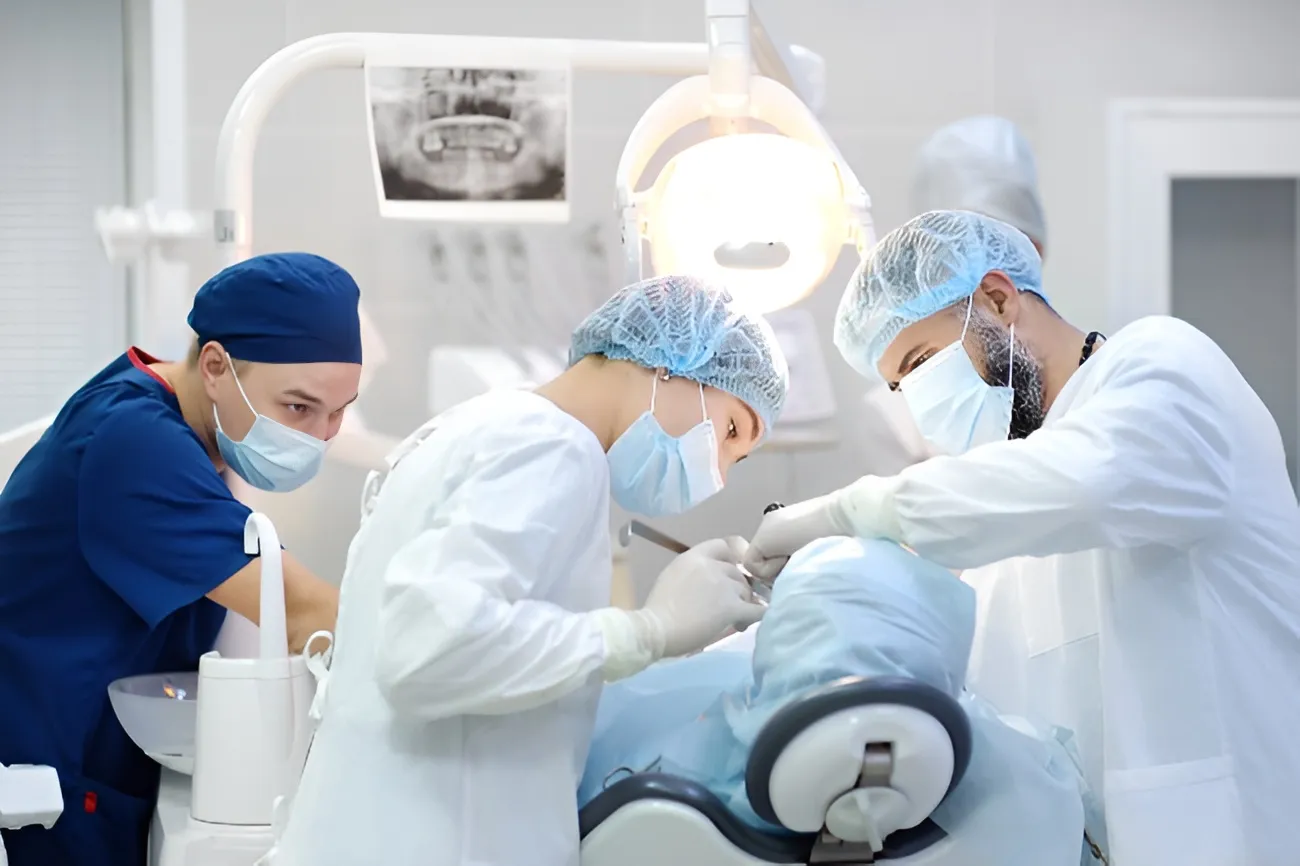
One of the simplest ways to prevent future bone loss is ridge preservation. A small graft is placed directly into the socket right after a tooth is removed. The purpose is straightforward: to keep the bone from shrinking.
Ridge preservation stabilizes the socket as it heals. Patients often notice smoother healing and less collapse of the gumline. It also prepares the area for future implants by maintaining enough bone for secure placement.
We perform ridge preservation routinely especially when a patient knows they may consider an implant later. Or when the tooth being removed plays an important role in facial support.
The benefits are both practical and aesthetic. Stronger bone means stronger options for future treatment. And preserving the ridge also helps to protect the natural contours of the smile and face.
Bone Grafting: Rebuilding Bone Lost Over Time
When bone loss has already occurred, we use bone grafting to rebuild the area. A bone graft is a material placed where the jaw has thinned, giving the body a support to grow new bone.
We may use bone from the patient (an autograft), donor tissue (an allograft), or safe, medically tested synthetic materials. Each option encourages the jaw to regenerate its own strong foundation.
Bone grafting usually follows a simple sequence. We prepare the area by removing any damaged tissue. Then the graft material is placed into the space where the bone is missing.
While the graft heals, a membrane or small barrier is sometimes added to protect it. Over the next several months, the graft integrates with the natural bone. It slowly becomes part of the jaw.
The benefits of bone grafting are significant as
- It restores the height and width needed for dental implants.
- Strengthens the surrounding teeth.
- Prevents further loss.
When performed by trained oral surgeons, bone grafting is a predictable and safe procedure. It supports long-term oral health.
Advanced Techniques for Severe Bone Loss
Some patients come in years after tooth loss, unsure whether implants are still possible. Even in these cases, oral surgeons have options.
For the upper jaw, a sinus lift creates the height needed when the bone beneath the sinus has become too thin. The ridge augmentation restores a jaw that has shrunk significantly, rebuilding both shape and structure.
The guided bone regeneration uses a protective membrane to help bone grow in the exact place where support is needed.
These advanced techniques open doors for patients who once thought implants were no longer an option. They create stability where the jaw has changed most dramatically.
Healing and What to Expect After Bone Restoration
Healing after bone restoration takes patience. Most patients handle it well. Minor swelling and tenderness are normal for the first few days. They are usually managed with medication and home care.
The deeper healing, where the graft becomes part of the natural bone, often takes a longer time. Surgeons may take several months before confirming full integration through imaging.
The follow-up visits are essential because they help us track the progress. It assures that the new bone is forming as expected. Once the healing is complete, the area becomes strong to support implants or other long-term treatments. The restored bone gives the jaw the stability it needs for healthy chewing and confident function.
Restoring Strength, Structure, and Confidence
The jawbone loss after tooth removal is a biological response. It doesn’t have to limit future treatment. With the right approach, we rebuild the structure needed for implants and long-term oral health.
Whether preservation is done immediately after an extraction or grafting is needed later, bone can be restored.
So if you are exploring options, our team at Premier Oral and Maxillofacial Surgery Group is here to guide you. Schedule a consultation to learn how bone restoration can support your long-term oral health and future dental implant options.
Comments are closed.