
What Causes Jaw Misalignment? A Patient-Friendly Guide to When Surgery Helps
A jaw that looks normal does not always function as it should. Many people live with jaw misalignment without realizing it because changes often develop gradually. It typically becomes noticeable only when everyday discomfort recurs.
An uneven bite, jaw soreness, difficulty chewing, or subtle facial imbalance are common early signs. Some patients notice that one side of the jaw feels tired or strained sooner than the other.
Although these symptoms may seem to appear suddenly, the underlying misalignment has usually been present for much longer. Jaw misalignment is a well-understood condition, and with the right diagnosis, it can be treated effectively.
In this blog, we’ll explore the common causes, symptoms of jaw misalignment, outline available treatment options, and explain when surgical care may be recommended. It also highlights how an oral and maxillofacial surgeon can guide you toward lasting comfort and function.
What Is Jaw Misalignment?
Jaw misalignment occurs when the upper and lower jaws do not align properly. When this happens, the teeth may not meet evenly, and jaw movement may feel restricted or uneven.
Because the jaw plays a central role in chewing and speaking, even a small misalignment can create ripple effects. The surrounding muscles may work harder to compensate, placing additional strain on the jaw over time.
Terms such as overbite, underbite, open bite, or crossbite are commonly used to describe different ways the jaws and teeth come together. These patterns help clinicians understand how the bite functions and where imbalances exist.
Some forms of jaw misalignment are mild and cause little disruption. Others involve the jaw bones themselves and therefore require closer evaluation. Understanding the distinction is important when determining the most appropriate treatment approach.
Common Causes of Jaw Misalignment
In most cases, jaw misalignment develops gradually. The foundation is often influenced by genetics, as jaw size, shape, and growth patterns are frequently inherited. This explains why similar bite issues appear among family members.
During childhood or adolescence, the upper and lower jaws may grow at uneven rates. When growth patterns do not develop in harmony, alignment problems can persist into adulthood. Injuries to the jaw or face can also alter alignment, even if the trauma occurred many years earlier.
Early habits such as prolonged thumb sucking or chronic mouth breathing may influence jaw development as well. Later in life, tooth loss or unresolved dental concerns can shift how the bite functions, adding another layer of complexity.
Many patients have no single identifiable cause. Instead, jaw misalignment often results from several small factors that gradually come together over time.
How Jaw Misalignment Affects Daily Life?
Jaw misalignment often becomes noticeable during everyday activities. Chewing may feel uneven or tiring, and firmer foods can require extra effort. Some patients also experience jaw soreness after meals or long conversations.
Tension near the jaw joints can develop gradually, making it easy to dismiss at first. In certain cases, speech may feel slightly strained. Jaw position can also influence breathing, particularly during sleep.
Changes in facial balance often occur subtly and develop slowly over time. Because these shifts happen slowly, many patients usually do not notice the difference right away. Over time, they may begin to affect comfort and confidence, even if the changes are difficult to describe.
When Bite Correction Alone Is Enough!
Orthodontic treatment is often an effective solution when the jaw structure itself is properly aligned. In these cases, treatment focuses on correcting how the teeth come together during daily activities.
Braces or aligners can help correct a bite by repositioning the teeth and improving overall function. This approach works best for dental alignment concerns. When tooth positioning is the primary issue, aligning the teeth alone can restore balance without surgery.
However, orthodontic treatment alone may not always provide a stable or lasting result. This is more likely when the jawbones are positioned incorrectly. For this reason, proper evaluation is essential before treatment begins. Understanding what’s actually causing misalignment helps ensure that care is complete and targeted.
When Jaw Surgery Becomes Part of the Treatment Plan
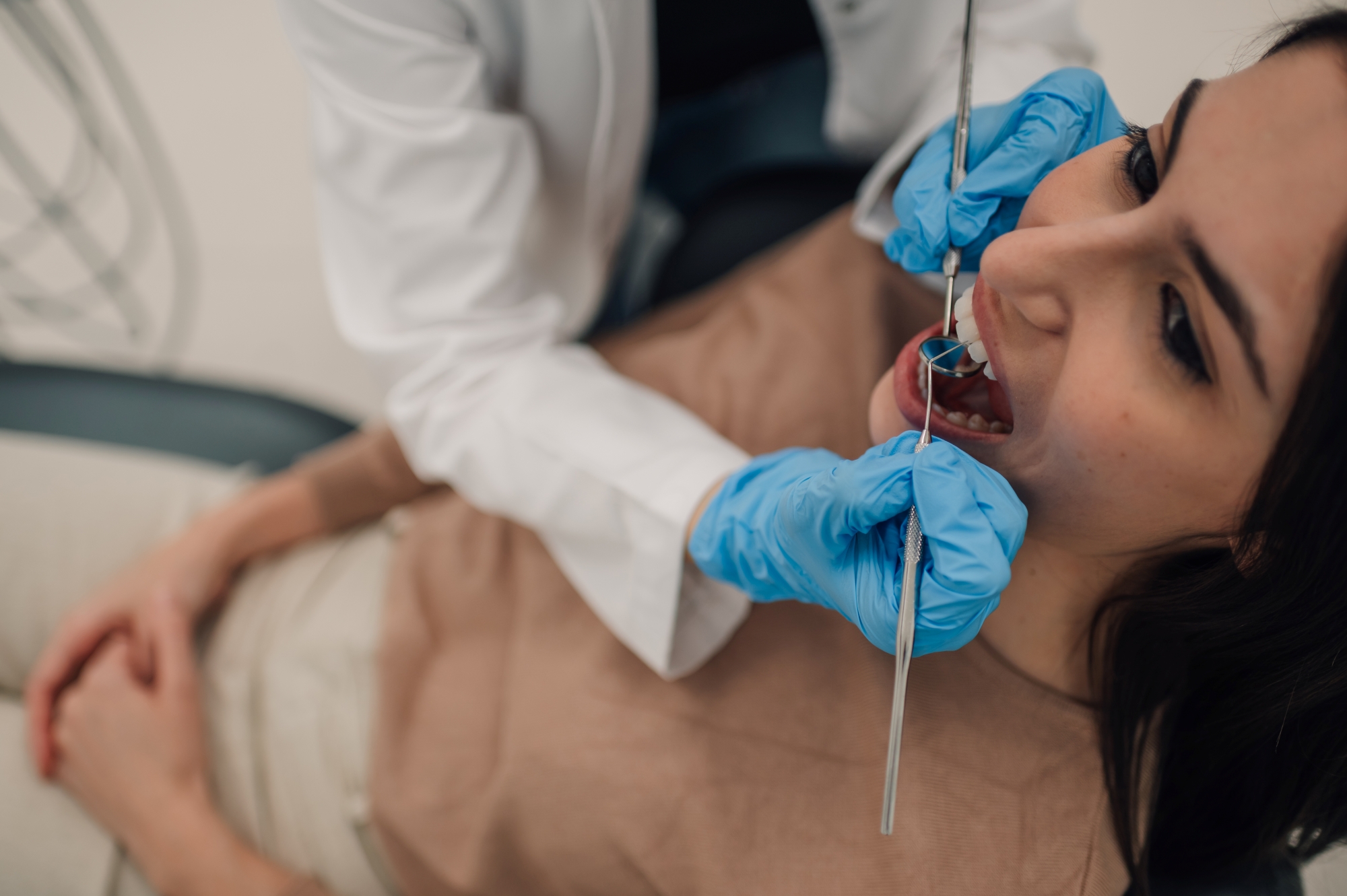
Jaw surgery may be recommended when misalignment interferes with function or comfort. This may include significant bite discrepancies, difficulty chewing, persistent jaw discomfort, or airway concerns related to jaw position.
Surgery is never recommended based solely on appearance. The reason for jaw surgery is to improve how the jaw functions and how it feels over time. Each treatment plan is individualized, with careful attention to anatomy and long-term stability.
At Premier, we approach jaw surgery with precision and restraint. Patients are guided through the reasoning behind each recommendation, so they clearly understand how surgery fits into their overall care. When recommended, it serves as a thoughtful solution to restore comfort and function, not as a last resort.
How Oral and Maxillofacial Surgeons Evaluate Jaw Misalignment?
Evaluation begins by listening to the patient. Understanding symptoms is as important as assessing alignment. Surgeons examine how the teeth meet, how the jaw moves, and how the facial structures relate to one another.
Advanced 3D imaging provides a detailed view of the jaw bones and joints. These images support careful planning and help identify issues that may not be visible during a physical examination alone.
When orthodontic treatment is involved, collaboration ensures consistency throughout care. Findings are explained in clear, patient-friendly language, so individuals feel informed and confident.
Understanding Jaw Misalignment Helps You Make Informed Choices
Jaw misalignment is common and treatable. Early evaluation helps determine whether bite correction or surgical care is the most appropriate path.
Oral and maxillofacial surgeons provide guidance when structural correction is needed, combining clinical expertise with patient-focused care. Each recommendation is made with long-term comfort in mind.
If there are concerns about jaw alignment or bite comfort, scheduling a consultation with our team allows you to explore treatment options that are tailored to your needs.
Comments are closed.