
What Happens When There Isn’t Enough Bone for Dental Implants
Getting a tooth extracted in case of dental problems and having a dental implant placed at that spot isn’t a very heavy task at hand. A dental implant is usually placed at the site around which the original tooth was removed.
The jawbone plays a crucial role in the successful placement of implants. It supports the implants and provides a stable foundation. This foundation is necessary for the implants to integrate and function as replacement teeth.
Having an insufficient jawbone for implants is a very common issue. It is usually found among those who have lost their teeth due to decay, trauma, or long-term neglect. An insufficient jawbone impacts the implant placement in many ways.
This blog will cover the effects of insufficient jawbone, how it impacts the implants, and the different procedures that help restore the bone volume to make it viable.
How Jawbone Loss Can Complicate Dental Implants?
Dental implants may not have a stable foundation without sufficient jawbone. This deprives them of their basic need for a strong base. It also leads to a risk of a higher implant failure. An insufficient jawbone for implants affects the placement of the implant and makes it misaligned or unstable.
After a tooth extraction or loss, the body naturally resorbs and shrinks the bone in the jaw, leading to bone loss. Bone shrinkage in the affected area complicates implant placement.
At Premier Oral, we offer solutions such as bone grafts for implants to restore bone volume and ensure the implant’s success.
What Causes Insufficient Bone for Implants?
There can be many causes of insufficient jawbone for implants. When a tooth is missing for a long period, and the socket is not restored, the surrounding bone begins to deteriorate.
Periodontal disease may also lead to bone loss around the teeth. It makes the jawbone less suitable for the placement of implants. Bone loss also occurs as people age, as bone density naturally decreases and affects the jaw.
Some sort of trauma or injury happened during accidents that affect the jaw or teeth also results in significant bone loss. This makes the implant placement more difficult. In some cases, the sinus cavities may also affect the upper jaw’s bone density.
How Bone Grafting Can Help Restore Bone Volume for Implants
Bone grafting is a procedure in which bone material is added to the jaw to increase its volume and density. Bone grafts are placed in the area where there is insufficient bone. It is done to create a stable foundation for implant placement.
There are different types of bone grafts. Autografts use the patient’s own bone, Allografts use donor bone, and synthetic bone grafts use synthetic materials.
At Premier Oral, we specialize in bone grafts for implants. To create precise, custom-fit grafts, we use advanced imaging techniques to deliver a seamless experience.
How Bone Loss Affects Implant Candidacy and Treatment Plans
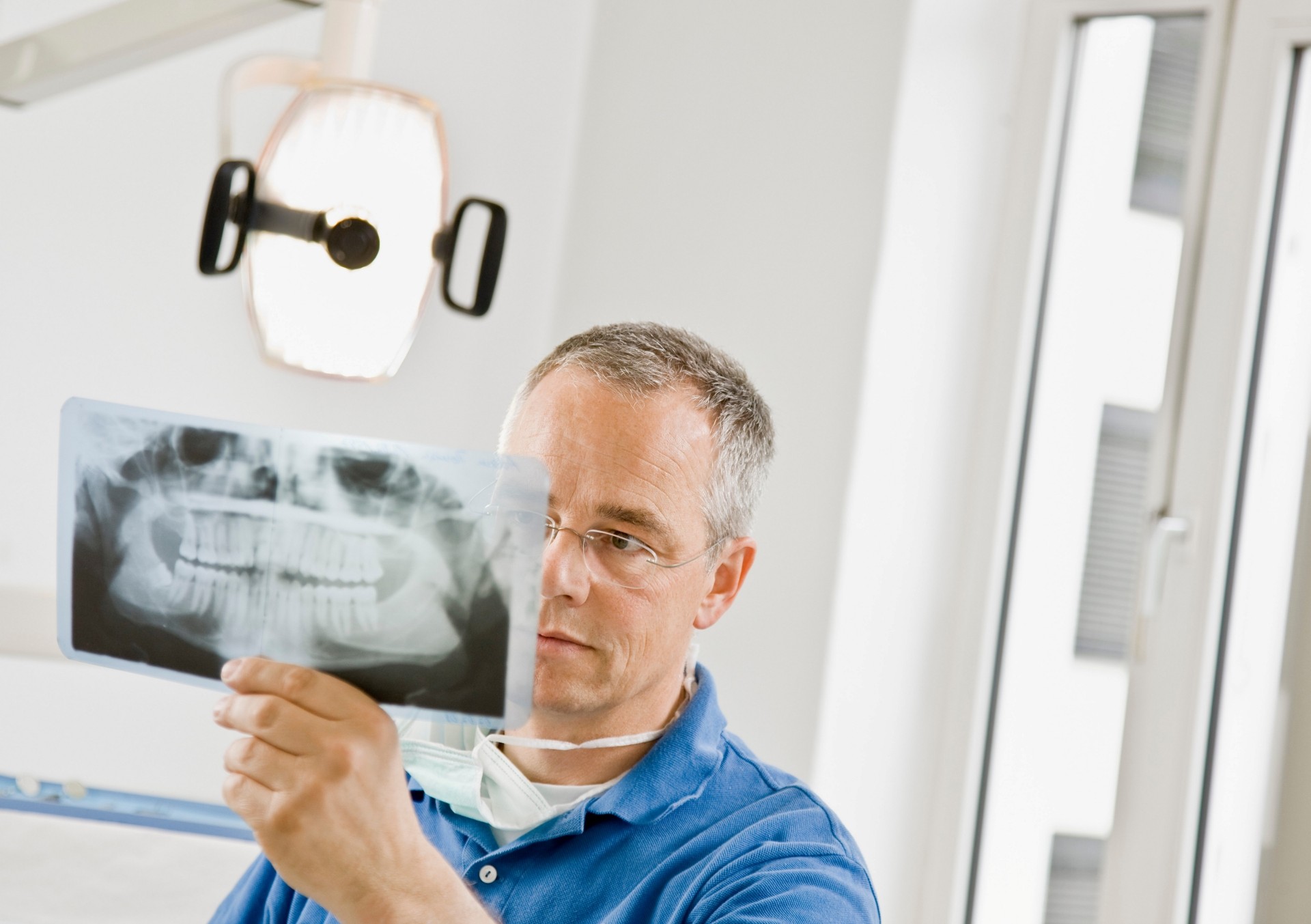
Insufficient bone can affect a person’s candidacy for dental implants. It is important to assess the bone density before moving ahead with the implant procedure.
An initial consultation at Premier Oral includes a thorough evaluation of bone health using advanced imaging techniques like 3D scans. In cases of insufficient bone volume in patients, we recommend getting a bone graft to prepare the site for implant.
Most patients are successful candidates for getting a dental implant, even after having an insufficient jawbone. After receiving the appropriate treatment, they may continue with their procedure for a dental implant without any worries.
The Bone Grafting Procedure: What to Expect
The bone grafting process typically starts with an evaluation of the bone structure. It is followed by a graft placement to restore the volume in the affected area.
The procedure can often be done in the clinic without any hassle. Mild sedation or local anesthesia is used for a comfortable treatment and to ensure comfort. The recovery period after the bone grafting process is usually a few months. It allows the bone to heal and merge with the existing jawbone.
As a team at Premier Oral, we prioritize your care and provide detailed post-procedure instructions to help you avoid any confusion. The healing process is also monitored carefully through follow-up visits.
The Impact of Timing: When to Get a Bone Graft for Implants
Getting a bone graft done on time offers many benefits. Getting it performed as soon as possible after a tooth loss prevents further bone resorption. Getting a bone graft for implants isn’t much of a technical process. It is performed with extreme care, and every effort is made to make it easy and comfortable for patients.
Delaying the treatment may result in more significant bone loss. This can complicate the process and lead to more complicated bone grafting procedures in cases of insufficient jawbone for implants.
Premier Oral helps the patients develop a personal timeline for treatment to ensure the best outcome for dental implants. The advanced imaging techniques play a crucial role in this process. They assess the bone loss accurately and determine the ideal time for a graft.
FAQs: Everything You Need to Know About Bone Loss and Dental Implants
Can I Get a Dental Implant Without Enough Bone?
Though it is possible to get a dental implant even with insufficient bone, a graft may be required to ensure proper placement of the implant.
How Long Does a Bone Graft Take to Heal?
The healing time for a bone graft ranges from a few months, depending on the extent of the graft and the patient’s healing process.
Are Bone Grafts Painful?
Bone grafting is done with the use of local anesthesia or sedation to ensure proper comfort during the procedure.
How Do I Know if I Need a Bone Graft for Implants?
A thorough consultation with Premier Oral, including imaging and evaluation, will help determine whether a bone graft is necessary.
Restoring Bone Volume for Successful Dental Implants
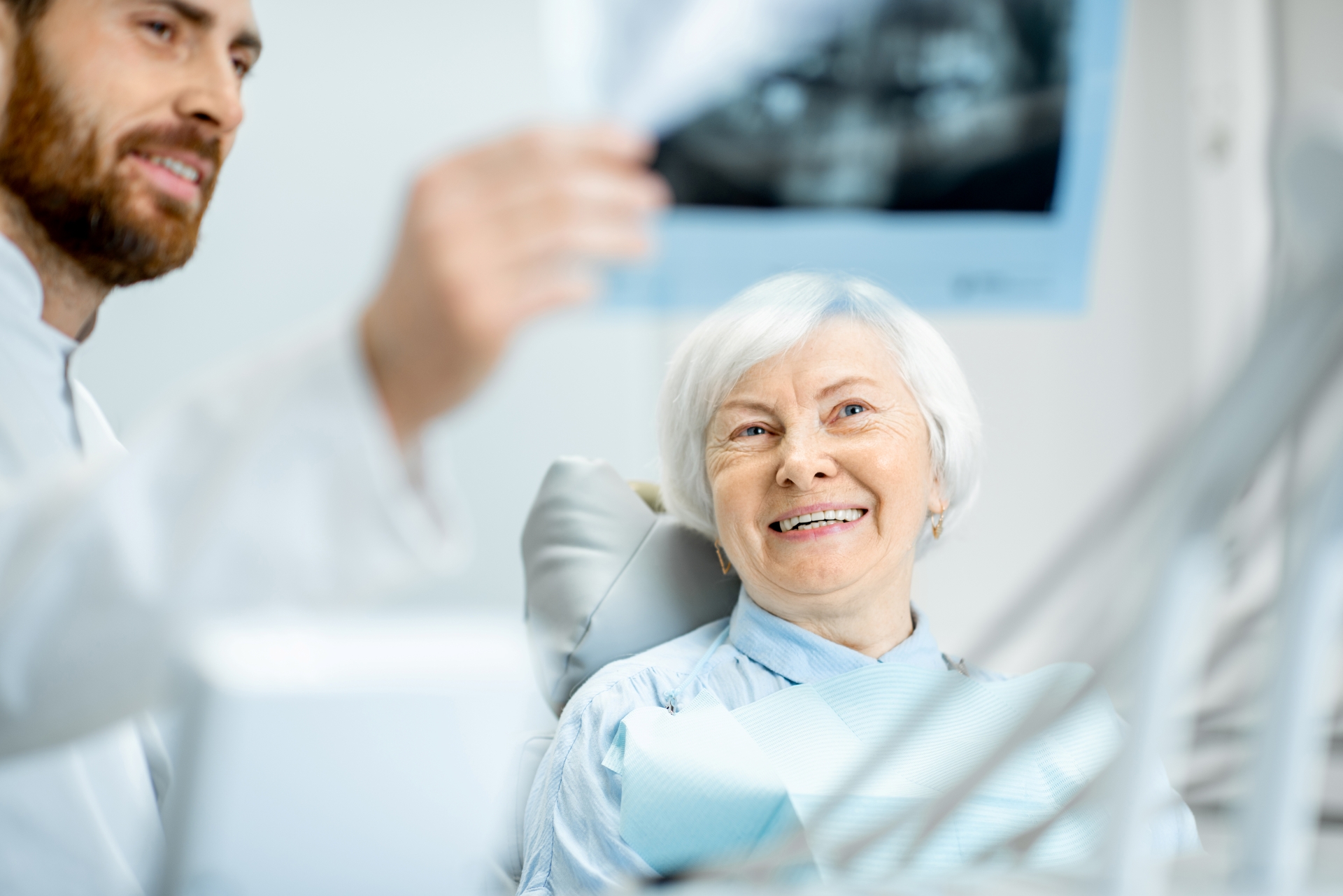
Bone preservation and restoration through procedures like bone grafting are necessary for a successful dental implant placement. Premier Oral provides comprehensive evaluation and treatment options to restore bone health and ensure the best possible outcomes for implants.
Schedule a consultation with Premier Oral to discuss your options for bone grafting and how it can help you become a candidate for successful dental implants.
Comments are closed.