
TMJ Disorder Symptoms You Shouldn’t Ignore: When to See an Oral Surgeon
Most people experience jaw discomfort at some point, whether after a long day of talking, extended chewing, or clenching from stress. In many cases, this discomfort resolves on its own. However, when Temporomandibular Joint (TMJ) symptoms persist or begin to interfere with daily activities, they may indicate more than temporary strain.
TMJ disorders can affect how comfortably a person eats, speaks, and sleeps. Over time, ongoing strain may place added stress on the jaw joint and the surrounding muscles. Recognizing early symptoms allows for timely evaluation and supportive care before discomfort worsens.
In this blog, we’re going to cover common TMJ symptoms, key warning signs to watch for, and when an oral surgeon may be part of the care process.
Understanding the TMJ and How It Works
The TMJ connects the lower jaw to the skull, just in front of each ear. It works in coordination with muscles, ligaments, and cartilage to allow the jaw move up and down, side to side, and forward and backward during everyday actions such as chewing, talking, or even yawning.
When this system functions properly, jaw movement feels smooth and effortless. TMJ disorders develop when joint movement becomes restricted or when the joint, surrounding muscles, or cushioning cartilage do not function as intended.
Symptoms may develop gradually, be mild, appear intermittently, or arise following injury or prolonged strain. Over time, these changes can affect jaw comfort and ease of movement during daily activities.
Common TMJ Symptoms Patients Should Not Ignore
TMJ symptoms can vary widely and often begin subtly. Some individuals experience lingering jaw tenderness, discomfort when opening their mouth, or stiffness that does not fully resolve with rest. Clicking, popping, or grinding sounds during jaw movement are also common.
TMJ symptoms may include facial discomfort, headaches, or sensations near the ear that initially seem unrelated. Eating becomes less comfortable, particularly when chewing tougher foods. While TMJ symptoms may come and go, persistent or worsening discomfort that interferes with your daily routines may benefit from a professional evaluation to help with jaw pain relief.
Why TMJ Symptoms Worsen Over Time Without Treatment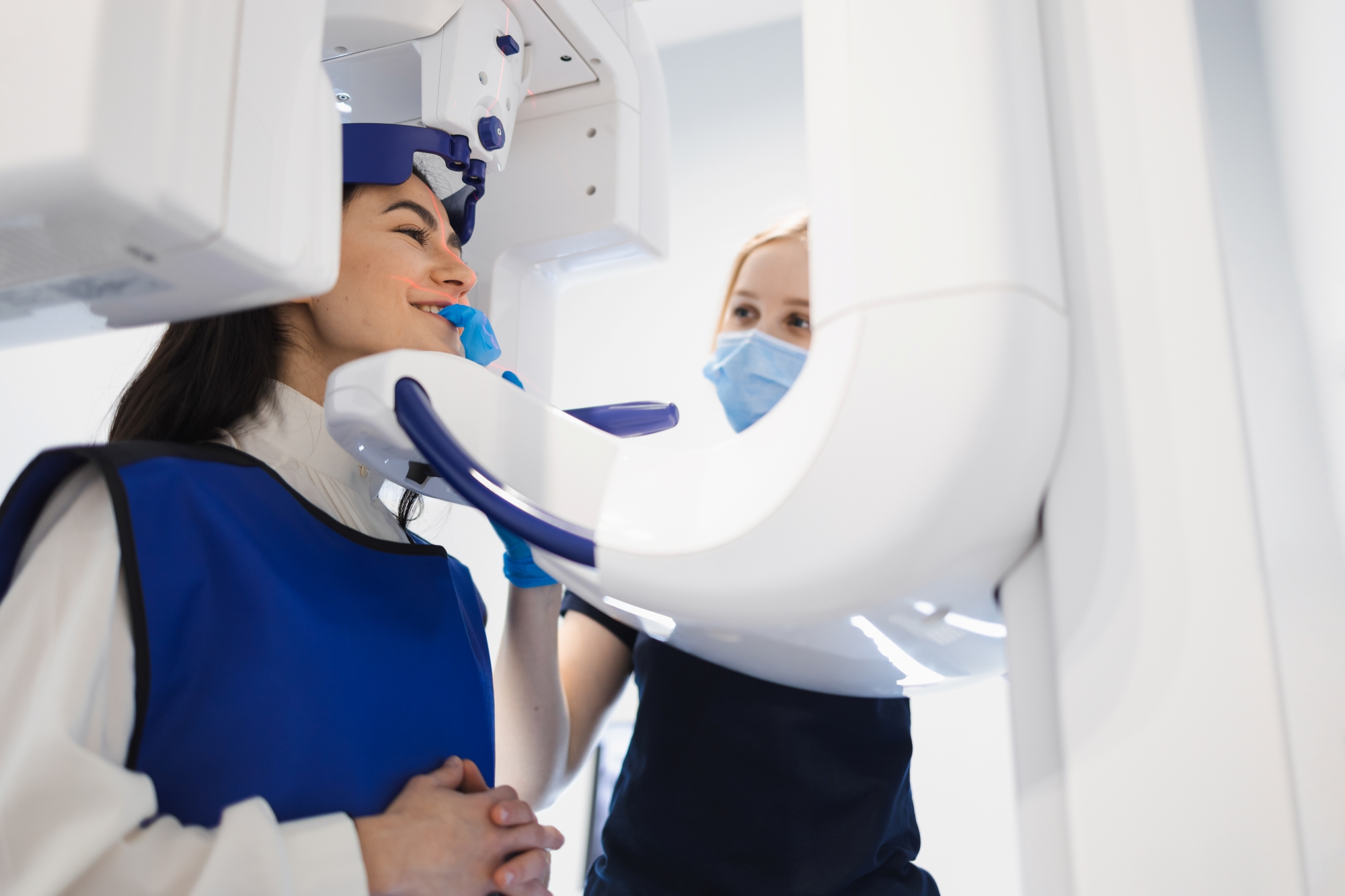
TMJ symptoms often begin mildly and may be easy to overlook. However, even low-level strain, as the jaw engages in daily movement and function, can gradually place additional stress on the TMJ. Over time, this may lead to inflammation or wear of the articular cartilage that supports smooth joint movements. The surrounding muscles may compensate by becoming overactive, which can increase discomfort and reduce jaw mobility.
In some instances, untreated TMJ issues may result in subtle changes in occlusion or ongoing joint stress that interfere with daily function. Early management of the TMJ symptoms focuses on reducing the joint, supporting smoother jaw movement, and improving comfort. Proactive attention helps maintain joint function and support long-term daily comfort.
When to See an Oral and Maxillofacial Surgeon
In some cases, recurring jaw discomfort may improve with simple changes. However, persistent TMJ symptoms often require a more thorough evaluation. If conservative measures do not relieve symptoms or if discomfort continues to worsen, with limited jaw opening persisting or periodic jaw locking occurring, seeking the expertise of an oral and maxillofacial surgeon may be appropriate.
These surgeons are qualified to evaluate the joints, bones, and muscles of the face and jaw, which can help identify concerns not always detected during routine examinations. Depending on the situation, advanced imaging may be used to understand joint anatomy and movement better better. This comprehensive assessment supports the development of an individualized TMJ treatment approach focused on comfort, function, and long-term jaw health.
How Oral Surgeons Diagnose TMJ Disorders
When TMJ symptoms are present, an oral surgeon evaluates the condition through a step-by-step process. This typically begins with a physical examination to assess jaw movement, area of tenderness, and the range of motion. The bite is also evaluated to understand how teeth and jaw function together, which can sometimes reveal underlying stress points.
Additionally, insight into the joint and surrounding structures may be obtained through imaging, such as panoramic X-rays or 3D CBCT scans. By reviewing these observations together, the surgeon can determine whether symptoms are related to muscles, the joint, or structural issues. This comprehensive evaluation helps guide an appropriate approach focused on immediate relief and long-term comfort.
TMJ Treatment Options Offered by Oral Surgeons
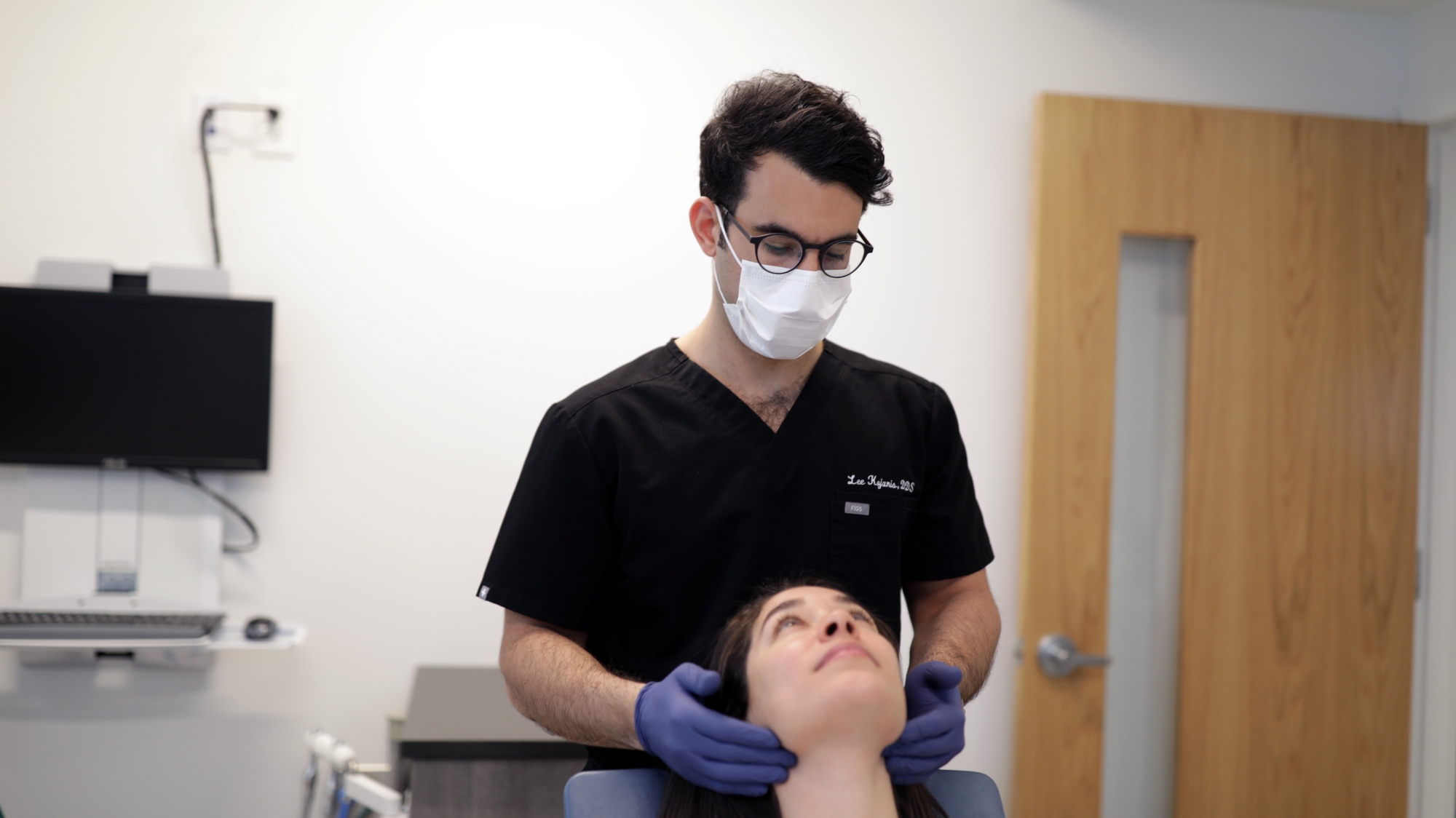
Oral surgeons approach TMJ treatment in a personalized manner, typically beginning with the conservative options. This may include non-surgical treatments, such as bite splints or oral appliances, designed to reduce jaw tension. In some cases, medication or guided muscle therapy may be recommended to help relieve jaw pain and restore comfort during daily activities.
At times, minimally invasive therapies may be used to address more specific joint concerns. Surgical treatment is considered only after careful consideration and is generally reserved for cases involving structural abnormalities.
Addressing TMJ Symptoms Early Protects Long-Term Comfort
Even mild TMJ symptoms can affect everyday activities and should not be ignored. Early evaluation helps protect jaw function, reduce discomfort, and guide the appropriate care. When symptoms become more complex, oral surgeons at Premier Oral & Maxillofacial Surgery provide specialized insight and treatments tailored to your needs.
Schedule an appointment with our team of experts today.
Comments are closed.